



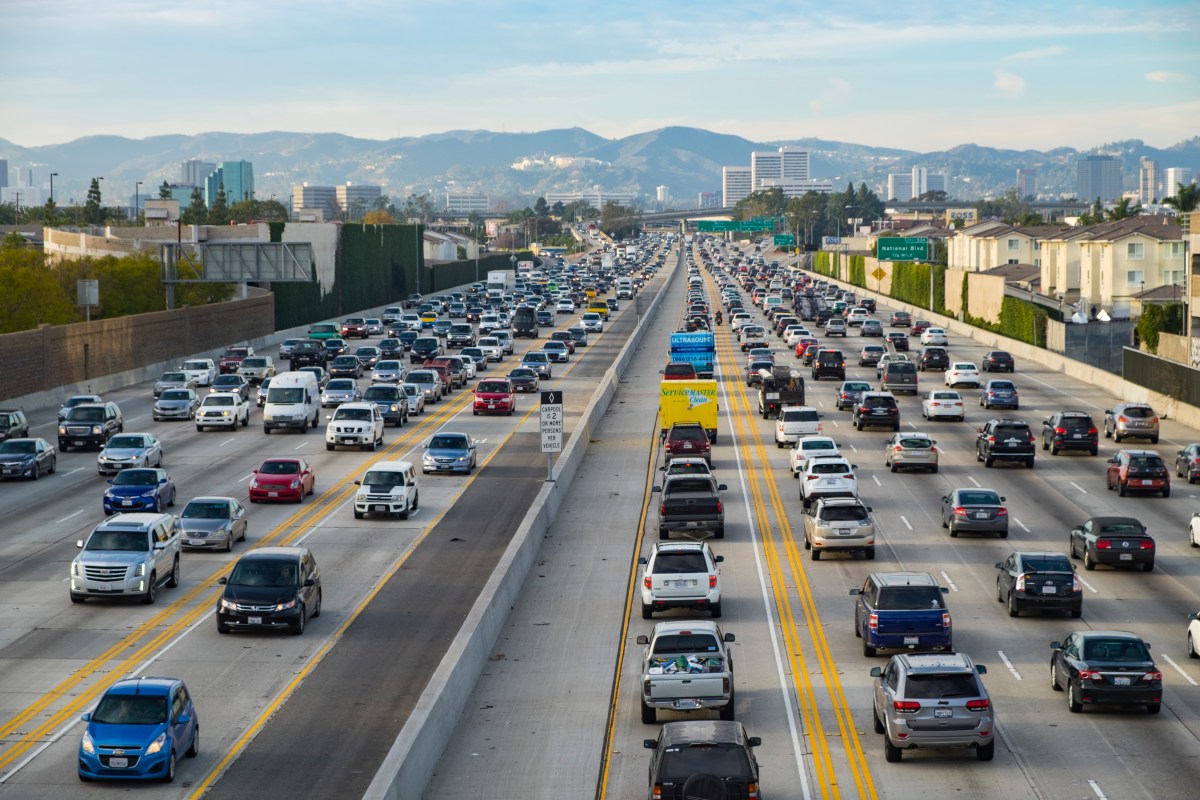
California lawmakers are once again weighing how the state will pay for its roads as gasoline tax revenue declines.
A bill, introduced by Democratic Assemblymember Lori Wilson, is moving through the state’s legislature, but it does not create a new mileage charge. Instead, it sets the stage for a deeper look at whether a road usage fee could one day replace fuel taxes that are losing their effectiveness in a state rapidly shifting to using electric vehicles.
Is a Mileage Tax Being Introduced?
Assembly Bill 1421 has cleared the California Assembly and is before the Senate Rules Committee. The bill does not impose a mileage tax or road usage charge.
Rather, AB 1421 orders a study into long-term options for funding transportation as gas tax revenue erodes. Any move to charge drivers by the mile would require a separate bill in a future legislative session, and the measure does not propose or endorse any specific method for tracking miles driven.
California has explored this idea before. In 2014, the state created a Road Usage Charge Technical Advisory Committee under Senate Bill 1077 to examine whether a mileage-based system could eventually replace the gas tax. This is because as vehicles become cleaner and the state pushes toward a zero-emission future, revenue tied to fuel sales is expected to shrink.
That trend is already in motion. California currently collects about 61 cents per gallon in gas taxes to fund road maintenance and infrastructure. But as more residents switch to electric and other clean-energy vehicles, those dollars are becoming harder to rely on.
What the Bill Says
The bill outlines how dependent California remains on fuel-related charges, and why that model is becoming unsustainable.
Transportation funding largely comes from six different fuel taxes and vehicle fees that are earmarked for specific uses. Together, they brought in about $14 billion during the 2023-24 fiscal year.
The largest share comes from the gasoline excise tax, which stands at just under 58 cents per gallon and generated about $7.8 billion in the same period. That money helps pay for highways, public transit and other transportation infrastructure.
But the state’s push toward electric vehicles is undermining this system. Gas tax revenue has begun to fall behind expectations, largely because more Californians are choosing lower-emission cars. While lawmakers have raised tax rates over the past decade, that growth is expected to reverse as EV adoption accelerates.
More than 1 million electric vehicles have been sold in California in the past four years, according to the California Energy Commission. With a mandate requiring all new car sales to be zero-emission by 2035, those numbers are expected to climb sharply.
The Legislative Analyst’s Office estimates that annual revenue could drop by as much as $2 billion by 2030 and up to $4 billion by 2035. A study from the Mineta Transportation Institute projects even steeper losses: between $4.8 billion and $12.1 billion by 2040. Meanwhile, the California Transportation Commission expects the state to collect $31.3 billion less in fuel excise taxes over the next decade because of improved fuel efficiency and the spread of zero-emission vehicles.
What People Are Saying
Assemblymember Lori Wilson said in a statement, according to NBC San Diego: “Depending on how a pricing program is implemented and the amount of information shared, a pricing program could provide discounts for individuals that are lower-income or drive far distances to lower-paying jobs. A road user charge gives more tools to tailor pricing and address equity issues than we currently have with the gas tax.”
Republican Assembly Leader Heath Flora said in a statement: “Californians are already getting crushed by the cost of food, housing, power, and gas. We already pay the highest gas taxes in the nation. Now Sacramento is talking about adding a new tax for every mile people drive. Piling on another tax right now shows just how out of touch politicians in Sacramento are with the reality working families face.”
What Happens Next
The bill has been referred to the Senate.
In a polarized era, the center is dismissed as bland. At Newsweek, ours is different: The Courageous Center—it’s not “both sides,” it’s sharp, challenging and alive with ideas. We follow facts, not factions. If that sounds like the kind of journalism you want to see thrive, we need you.
When you become a Newsweek Member, you support a mission to keep the center strong and vibrant. Members enjoy: Ad-free browsing, exclusive content and editor conversations. Help keep the center courageous. Join today.
Read the full article here


