



Published on
The 27 leaders of the European Union are set to gather in eastern Belgium on Thursday for an all-day summit dedicated to finding new ways to revive the bloc’s stagnant economy, abolish regulatory barriers, attract investment and stimulate innovation.
The mission has acquired a renewed sense of urgency as the EU confronts punitive tariffs from the Trump administration and a flood of low-cost imports from China.
Europe’s global power depends “greatly” on its economic strength, Ursula von der Leyen, the president of the European Commission, warned on the eve of the summit.
“Competitiveness is not just the foundation of our prosperity but of our security, and ultimately of our democracies too,” von der Leyen said.
Although leaders agree on the bleak diagnosis, they remain poles apart when it comes to the prescription, suggesting expectations for an impending breakthrough are low.
Earlier this week, French President Emmanuel Macron called for “future-oriented Eurobonds” to finance strategic projects.
“The global market is increasingly afraid of the American dollar. It’s looking for alternatives. Let’s offer it European debt,” he said.
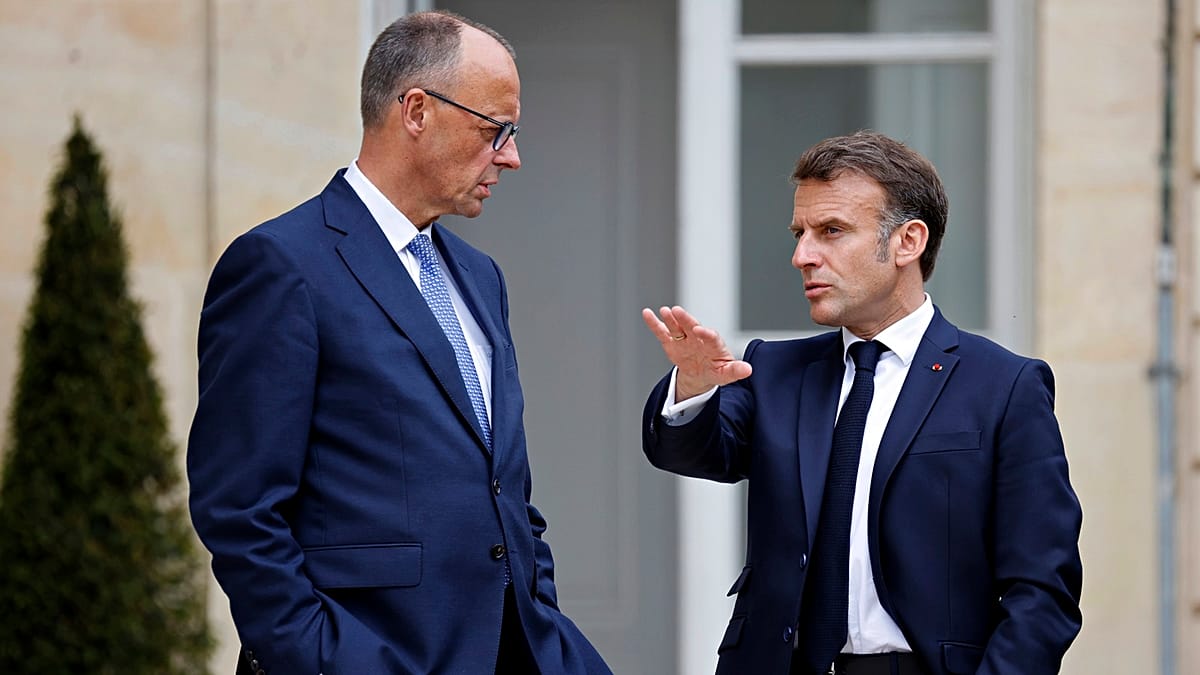
By contrast, German Chancellor Friedrich Merz and Italian Prime Minister Giorgia Meloni are expected to present a joint economic doctrine based heavily on deregulation.
Meanwhile, the Netherlands, the Nordics and the Baltic will make the case against the “Buy European” preference, which they see as protectionism in disguise.
Also participating in the summit are Mario Draghi and Enrico Letta, two former Italian prime ministers who authored separate reports on the European economy.
Follow our live blog for regular updates.


${title}
${body}
Why a two-speed Europe is on the table
Industrial decline. Disruptive technologies. Sluggish investment. Regulatory barriers. Punitive tariffs. Unfair competition. Climate change. The formidable challenges besetting the EU have triggered a desperate search for daring solutions that can deliver the much-needed big bang.
But just how big are we willing to go?
“Our ambition should always be to reach an agreement among all 27 member states,” Ursula von der Leyen wrote this week in a letter to EU leaders ahead of the informal summit. “However, where a lack of progress or ambition risks undermining Europe’s competitiveness or capacity to act, we should not shy away from using the possibilities foreseen in the Treaties on enhanced cooperation.”
The suggestion coming from the president of the European Commission was striking. But it was not coincidental. Back in December, EU leaders used enhanced cooperation to issue a €90 billion loan for Ukraine without Hungary, Slovakia and the Czech Republic.
A two-speed Europe offers promise but comes with risks. Here’s why.
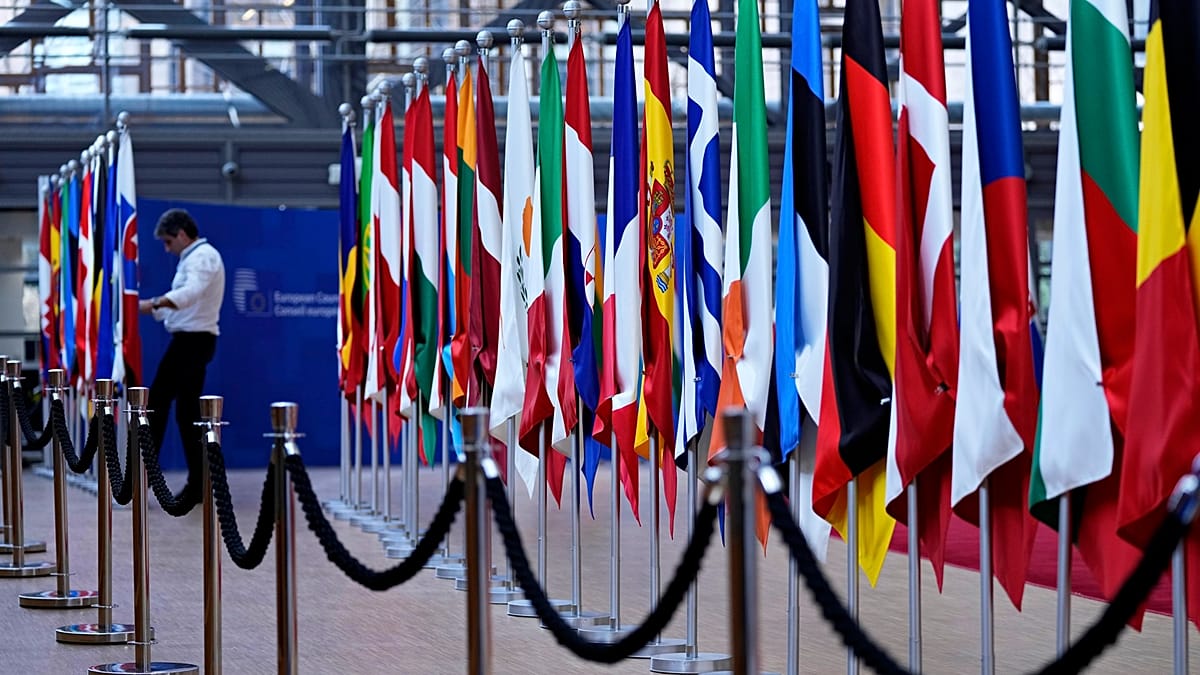

As challenges mount, a two-speed Europe emerges as a way out
The notion of a two-speed Europe has come to the fore as leaders search for groundbreaking solutions to revive the stagnant economy. #EuropeNews
A packed agenda for today’s EU summit
Single market, red tape, energy prices, public financing, venture capital, trade deals, geo-economic competition. That’s just a selection of the many topics that EU leaders will discuss at their informal retreat today.
Expect Europonds to make a (divisive) appearance.

EU leaders grapple with how to build and finance a competitive Europe
EU leaders want to turn Europe into a competitive economic powerhouse with a strong single market, but they must agree on how to build and finance it. These qu…
Read the full article here


