



NEWYou can now listen to Fox News articles!
The Trump administration is advancing a proposal for federal agencies to use standardized nondisclosure agreements (NDAs) with employees as part of a broader push to stop internal discussions from leaking to the press.
“This is going through the full regulatory process, so people can give notices and comments,” said Office of Personnel Management (OPM) director Scott Kupor to Fox News Digital in a Zoom interview on Wednesday. “We’ll respond to all those things as well … I’d be surprised, if at the end of the day, we aren’t successful in showing people that this is important for preserving deliberative decision-making in the government.”
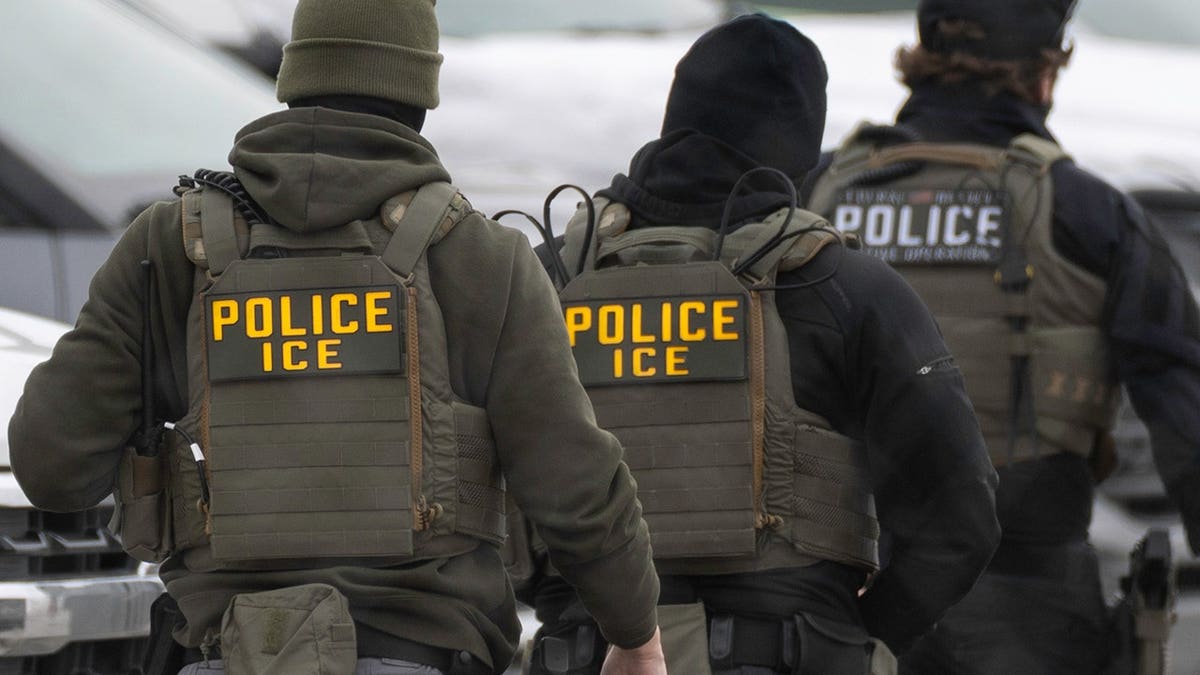
The proposal would create a template NDA for federal agencies to use with employees, requiring workers to acknowledge existing confidentiality rules as the Trump administration intensifies its crackdown on internal leaks following incidents including the Venezuela raid leak and the doxing of ICE agents. Officials said the policy is meant to protect sensitive internal discussions, while critics question whether it could chill whistleblower protections and employee speech.
DHS FIRES SENIOR CBP OFFICIAL FOR LEAKING SENSITIVE INFORMATION
Kupor pointed to a “simple example” of why he said the NDAs are needed. OPM functions as the federal government’s human resources agency, overseeing personnel policy and workforce rules for federal employees.
“I had a meeting today … we had 10 people in the room … it’s really hard to run the organization if we have that conversation and then nine out of those 10 people go call the media and say, ‘hey, let me just tell you what we talked about in this conversation.’”
“It just puts us in a situation where you can’t run an organization. You can’t have a reasonable conversation with your team. It isolates decision-making to a place that I think is just not good for anybody,” he added.
Federal employees are already required to safeguard certain confidential and sensitive government information obtained through their work. OPM said the proposed NDA would not create new substantive restrictions on employee speech, but instead establish a standardized process for federal workers to acknowledge existing legal and regulatory obligations regarding confidential information.
Kupor said the proposal of NDAs is to encourage open and honest dialogue in meetings.
PENTAGON ANNOUNCES INVESTIGATION INTO LEAKS, WHICH COULD INCLUDE POLYGRAPH TESTS
“We’re just trying to avoid situations where people feel like they won’t express an opinion in a meeting because they are worried that’s going to show up on the front page of the newspaper tomorrow. I just don’t think that helps us actually run the organizations on behalf of the American people,” said Kupor.
Critics have argued the agency is expanding oversight in an effort to control damaging narratives emerging from inside the administration.
Gilbert Employment Law, which specializes in federal employment issues, partner Kevin Owen told the Government Executive that “OPM is now trying to become this super personnel office that centralizes its authority over all federal employees, ostensibly at the direction of the White House. By now controlling how federal employees are even able to communicate about matters of political concern, it’s one further step toward enacting a spoils system and making the civil service a political arm of the White House.”
The proposal also stated that the agreement would explicitly preserve employees’ rights to make disclosures authorized under federal law, including protected whistleblower complaints.

“I think people are thinking [it’s] another way to get rid of people, or we’re trying to squelch people from saying what they want,” said Kupor. “That’s the farthest thing from the truth. People can say whatever they want. The issue is, if we’re having a conversation at work … I think it’s very reasonable for us to say you shouldn’t go basically publish what is otherwise essentially a deliberative process of conversation out there.”
Kupor said the administration should be able to achieve discussions without media leaks and, once it’s decided, journalists can FOIA the information.
“People can appeal that to the [U.S. Merit Systems Protection Board] and forward and stuff like that. That’s how we work today. We’re not taking away any rights anybody has for any other kind of workplace related adverse actions,” said Kupor. “If you read the NDAs, it’s very expressed that nothing here interferes with traditional whistleblower issues with people going to the inspector general.”
Kupor said he is unsure whether the proposal was discussed during the first Trump administration or under previous administrations but argued the rapid expansion of the media landscape has made agencies more vulnerable to leaks.
JUDGES V TRUMP: HERE ARE THE KEY COURT BATTLES HALTING THE WHITE HOUSE AGENDA
“Particularly with the rise of social media and everything else, [federal employees] feel like they want to help people outside the world, understand what we’re doing. And none of this is intended to like to stop that. It’s just intended to allow us to have an open, honest conversation among folks. And if people want to be citizen journalists, they can do that,” said Kupor.
With the Trump administration already facing a series of legal challenges to its policy agenda, Kupor said he expects the NDA proposal could draw scrutiny as well.
“Unfortunately, there are lots of lawyers and organizations who make a living out of basically finding whatever they don’t like with the Trump administration and suing. But in this case I feel very, very comfortable,” he said.
CLICK HERE TO DOWNLOAD THE FOX NEWS APP
The proposal is open for public comment on or before June 26, according to OPM.
Read the full article here


