



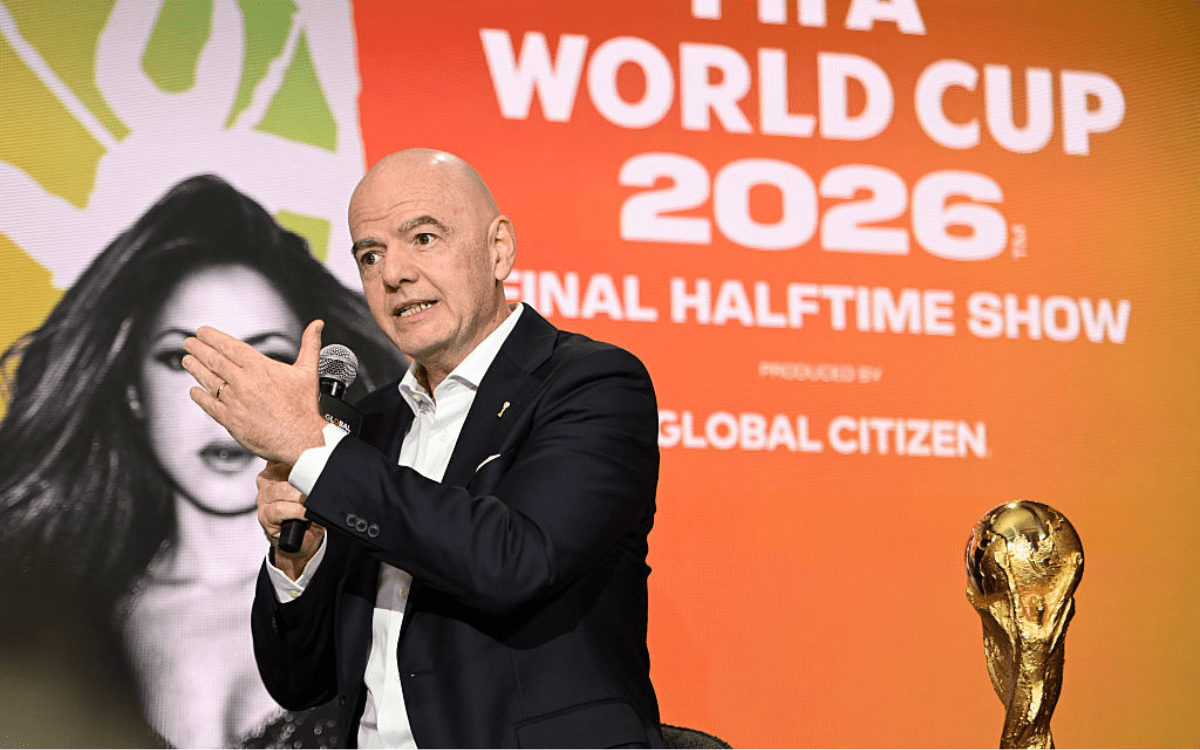
FIFA has announced that additional tickets will be released for this summer’s World Cup, but preparations for the tournament have been overshadowed by ongoing concerns about pricing and seating.
In a post shared to the FIFA World Cup Instagram account, organizers confirmed a new batch of tickets would be available to purchase from today.
The announcement comes despite thousands of tickets being available for purchase through resale websites. SeatSidekick, an online aggregator and ticket-tracking tool used to monitor and find tickets on official resale platforms like the official FIFA resale marketplace, suggests as many as 262,316 tickets for the World Cup are currently available for resale.
It also comes as FIFA faces serious questions over seat locations and pricing structure for this summer’s finals.
Newsweek has contacted FIFA for comment.
FIFA Under Investigation
New York Attorney General Letitia James and New Jersey Attorney General Jennifer Davenport have issued subpoenas to FIFA as part of a joint investigation into the organization’s ticketing practices for the 2026 World Cup, focusing in particular on matches at MetLife Stadium where eight games, including the final, are due to be staged.
The probe follows reports that fans may have been misled about seat locations and faced rapidly escalating prices. Announcing the move, James said fans “deserve a fair shot at affordable tickets” and warned that “no one should be manipulated into paying sky-high prices for seats,” adding that supporters must be able to trust that “the tickets they purchase will be the ones they receive.” Davenport echoed those concerns, accusing FIFA of turning the buying process into “a gauntlet of confusion, fake scarcity, and impossibly high prices,” and pledged a “thorough investigation” into the organization’s conduct.
The investigation will examine complaints that FIFA changed its seating structure after initial sales, introducing more expensive “Front” categories that left earlier buyers with less desirable tickets, as well as reports that some fans paid for higher-tier seats but were assigned lower-category ones. Authorities will also scrutinize FIFA’s use of “variable pricing,” which has seen ticket costs surge in later sales phases. New York City’s consumer watchdog is supporting the probe, with Commissioner Samuel A.A. Levine warning that allegations of misleading fans and inflating prices are “deeply troubling” and promising enforcement action if necessary. He added that, as global excitement builds, supporters “deserve transparency and fairness” and must not be “taken advantage of during one of the biggest sporting events on the planet.”
What Has FIFA Said About Ticket Prices?
A FIFA spokesperson previously told Newsweek it is “focused on ensuring fair access to our game for existing but also prospective fans,” highlighting that group-stage tickets started at $60, which it described as “a very competitive price point for a major global sporting event in the U.S.”
The organization added that its pricing strategy “spans a broad range of price points and categories, reflecting market demand for each match,” with tickets released in phases across different tiers, including lower-cost Category 4 seats and “a minimum of 1,000 tickets priced at $60 for every match.” FIFA stressed that these entry-tier tickets are specifically reserved for supporters of qualified teams, with distribution handled by national associations to ensure they reach “loyal fans who are closely connected to their national teams.”
Defending its broader approach, FIFA said its sales and resale structure “reflects standard ticket market practices for major sporting and entertainment events,” pointing to its official resale platform as providing a “safe, transparent and secure environment” for transactions, with fees “aligned with industry standards.” It added that its use of variable pricing “aligns with industry trends… where price adaptations are made to optimize sales and attendance and ensure a fair market value for events.” FIFA also pushed back on criticism over profits, emphasizing that it is “a not-for-profit organization” and that revenue generated from the World Cup “is reinvested to support the development of men’s, women’s and youth football across all FIFA 211 member associations.”
FIFA President Gianni Infantino also defended the pricing of tickets, pointing to the unprecedented demand as the key driver “We have 6 to 7 million tickets on sale and in 15 days we received 150 million ticket requests,” he told the World Sports Summit in Dubai in December 2025. “So 10 million ticket requests every single day. It shows how powerful the World Cup is.” FIFA subsequently introduced the small numbers of $60 tickets amid criticism of its pricing structure, which saw many group stage game tickets being sold for up to three times more than they were at the 2022 World Cup in Qatar.
With around two weeks to go until the tournament begins, however, many tickets remain unsold, with prices varying wildly online. While some ticket prices have dropped to as little as $100 on resale sites, other batches have popped up on websites like eBay and Craigslist, for sometimes more than double their face value
Why Are So Many World Cup Tickets Unsold?
Alex Warner, CEO and co-founder of Winventory, an integrated platform that helps ticket holders manage and resell tickets and parking across multiple marketplaces, told Newsweek the uneven demand for 2026 World Cup tickets partly stems from early pricing decisions and the complexity of attending matches in the U.S.
He argued that “a major factor is that initial ticket prices were simply too high and, in many cases, turned buyers off before they fully explored the market,” adding that not every fixture carries equal appeal. Matches without strong local fanbases can struggle, particularly when supporters are weighing “the cost of travel, transportation, hotels, and the overall complexity of attending a World Cup match in the U.S.” At the same time, Warner noted that many resale listings remain high because sellers are under little pressure to drop prices this far in advance. “There’s really no reason for many sellers to meaningfully lower prices,” he said, with many still “testing the market,” while premium fixtures and knockout matches continue to command elevated prices as “a once-in-a-lifetime experience.”
Warner said the broader ticketing landscape has evolved, with the World Cup presenting unique challenges compared with concerts or domestic sports. While the tournament remains “an incredibly strong global property,” buyers are becoming more cautious due to the “extra variables” involved, including logistics and unfamiliar venues. He said the resale market is currently being driven “almost entirely by speculative buyers,” who purchased early expecting prices to rise and are still “pricing aggressively” with little downside to waiting.
At the same time, consumer behavior is shifting, with fans increasingly holding off in the hope of better deals. “Buyers have become conditioned to wait,” Warner explained, noting that the rise of last-minute ticket platforms has reinforced the idea that “patience can sometimes lead to better deals,” a mindset now clearly shaping how fans approach World Cup tickets.
Two weeks ago, Infantino suggested the World Cup would be an “unforgettable experience.” Now with two weeks remaining until kick-off, some are wondering if it might end up a colossal dud.
Read the full article here


