



United Airlines CEO Scott Kirby is warning travelers that rising jet fuel costs could soon hit airline ticket prices.
“No one hedges anymore, and even if you do, hedging the crack spread is really hard to do,” Kirby said during a recent event at Harvard University. “Airfare increases will probably start quick” as higher fuel costs ripple through the airline industry.
The crack spread is the difference between the price of crude oil and the price of the fuels made from it, like gasoline or jet fuel.
In simple terms, it shows how much profit a refinery can make by turning crude oil into usable fuels. Oil companies and airlines often track it because it helps them manage the risk of fuel prices rising or falling.
The warning comes as jet fuel prices surge amid escalating tensions in the Middle East following the US-Israeli war in Iran, raising concerns across the aviation sector just months before the busy summer travel season.
Industry analysts say the spike in fuel costs could eventually translate into higher airfares, additional fees and potentially fewer flight options for travelers.
Airlines are facing mounting pressure as the cost of jet fuel climbs sharply.
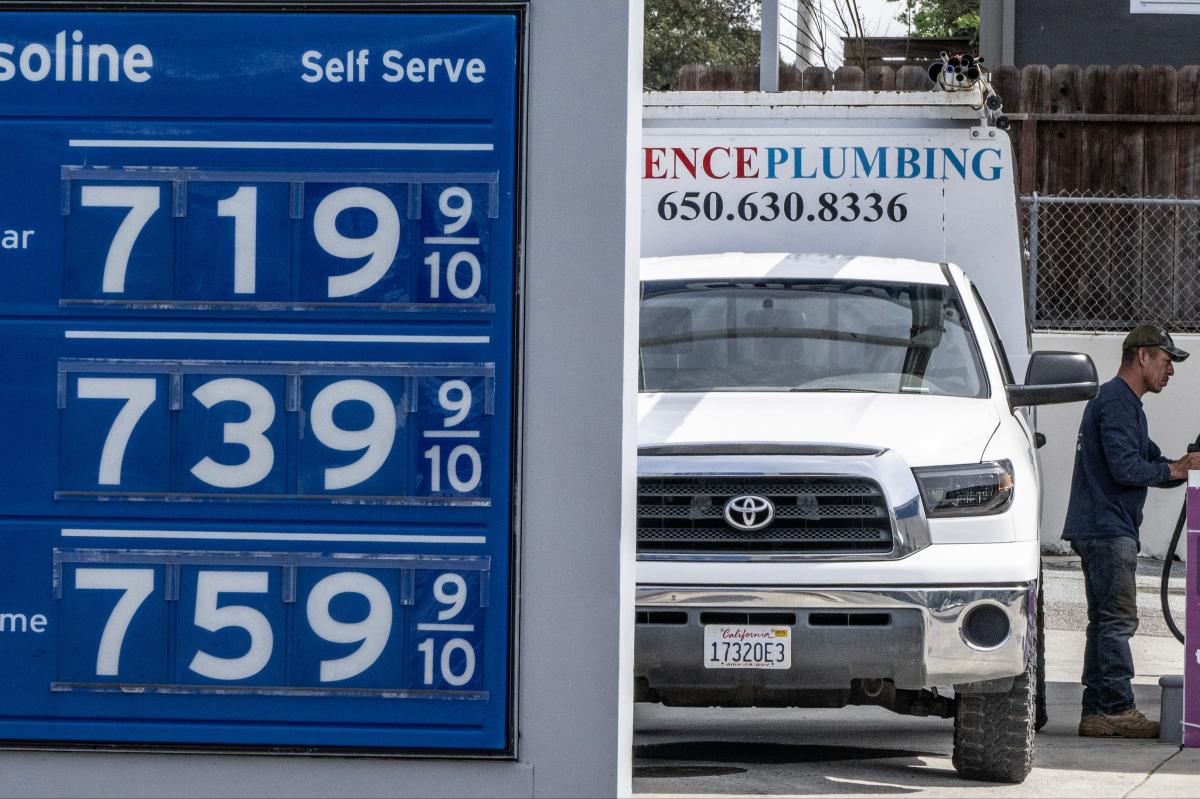
The average US gas price recently reached $3.69 per gallon, up from just under $3 per gallon before the latest conflict began, according to industry pricing indexes.
California has been among the hardest hit by rising fuel costs, with prices jumping by nearly a full dollar since the conflict began.
The current statewide average for regular gasoline now stands at $5.509 per gallon, compared with $4.582 a month ago, according to the American Automobile Association.
Prices have climbed rapidly in recent weeks. Just one week ago, the average price for regular gas was $5.159, while yesterday it was $5.483.
Fuel is typically one of the largest expenses for airlines, accounting for roughly 20% to 25% of total operating costs. When prices climb quickly, carriers often have little choice but to pass some of those costs along to passengers.
While some airlines use fuel hedging — contracts that lock in fuel prices months or even years in advance — many carriers are only partially protected against sudden price spikes.
Rising fuel prices are being driven in part by turmoil in the Middle East. Attacks on commercial ships and oil facilities have disrupted traffic through the Strait of Hormuz — a narrow shipping route that carries roughly one-fifth of the world’s oil supply.
The instability has pushed global crude prices higher and made it harder for some major producers to ship oil, tightening supply. When crude becomes more expensive, the cost of refined fuels like gasoline and jet fuel typically rises soon after.
Download The California Post App, follow us on social, and subscribe to our newsletters
California Post News: Facebook, Instagram, TikTok, X, YouTube, WhatsApp, LinkedIn
California Post Sports Facebook, Instagram, TikTok, YouTube, X
California Post Opinion
California Post Newsletters: Sign up here!
California Post App: Download here!
Home delivery: Sign up here!
Page Six Hollywood: Sign up here!
The impact is especially severe in California because the state already has tighter fuel supplies than most of the country. Several refineries — including facilities operated by Phillips 66 in Carson and Valero in Benicia — have shut down or scaled back operations in recent years, reducing the state’s refining capacity and limiting local supply.
California also requires a unique, cleaner-burning gasoline blend and has some of the highest fuel taxes and regulatory costs in the country. That combination means prices tend to climb faster when global oil markets are disrupted.
Travelers may feel the impact in several ways as airlines respond to higher costs, NBC Bay area reported.
Many international carriers use fuel surcharges, an extra fee added to the base ticket price. While most major US airlines typically bundle fuel costs into the overall fare rather than charging a separate surcharge, that still means ticket prices could rise.
Airlines may also increase fees for optional services such as:
- Seat upgrades or extra-legroom seats
- Checked baggage
- Priority boarding
- Other premium add-ons
Several international airlines have already begun increasing fares or introducing new fuel surcharges.
Hong Kong–based Cathay Pacific said the cost of jet fuel has roughly doubled since the latest Middle East tensions escalated, prompting the carrier to increase its fuel surcharge.
Other airlines implementing increases include:
- Air France-KLM, which said some long-haul round-trip economy fares could rise by about €50.
- Air India, which introduced fuel surcharges on several international routes that could reach up to $50 on certain tickets.
- Hong Kong Airlines, which has raised surcharges across multiple routes.
- South Africa’s FlySafair, which announced a temporary fuel surcharge.
Read the full article here


