



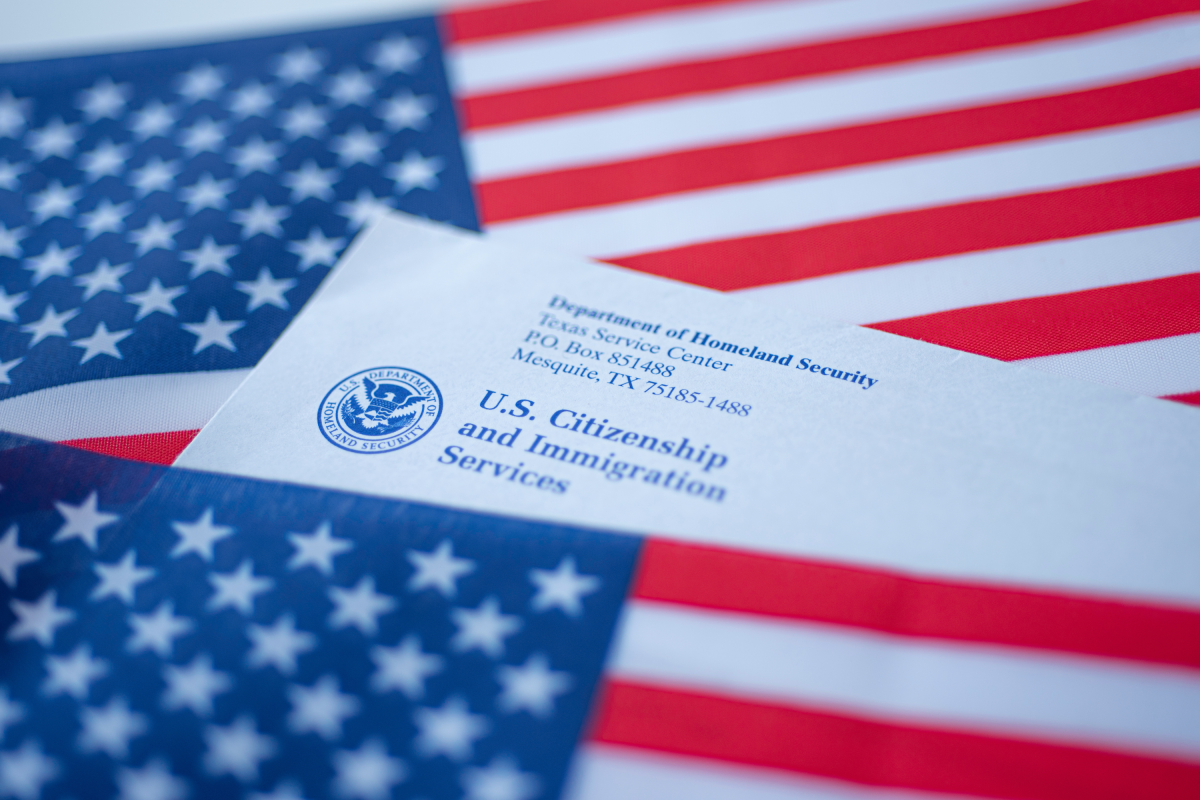
A bipartisan group of lawmakers has introduced new legislation that would make health care exempt from the Trump administration’s $100,000 H-1B visa fee.
The H-1Bs for Physicians and the Healthcare Workforce Act was introduced in the House of Representatives on March 17 by Republican Representatives Mike Lawler of New York and Maria Elvira Salazar of Florida and Democratic Representatives Yvette Clarke of New York and Sanford Bishop Jr. of Georgia.
Why It Matters
The measure follows the Trump administration’s introduction of a $100,000 fee on certain H-1B visa petitions, part of a push to tighten control over the skilled worker program. The H-1B program enables U.S. employers to hire foreign professionals in specialized sectors such as health care, technology and engineering. Supporters of the visa program say it plays a key role in addressing labor shortages. At the same time, critics argue the new fee will reduce misuse and encourage companies to prioritize higher-paid American workers.
What To Know
Under the new bipartisan legislation, physicians and other health care workers would be exempt from the $100,000 fee. It would also prohibit any new H-1B-related fees for these workers that exceed the limits already set out in U.S. law.
The bill has drawn backing from organizations such as the American Medical Association and the American Hospital Association, which say reducing financial barriers could help maintain patient access to care.
Health care industry groups have also noted that international medical graduates make up a significant share of the U.S. workforce and often fill gaps where the domestic supply is limited.
In February, a bipartisan group of 100 lawmakers sent a letter to outgoing Homeland Security Secretary Kristi Noem, urging an exemption for the health care sector from the government’s $100,000 H-1B visa fee.
The letter, led by Clarke and Lawler, pointed to health care providers who rely on international workers for critical roles, including physicians and clinical laboratory staff.
Trump’s $100,000 H-1B visa fee has cost the federal government almost $20 million because of a decline in new applications. According to a recent court filing from a Department of Homeland Security official, the government received $8.5 million in new fee payments in recent months, a figure outweighed by the drop in new applicants.
Meanwhile, Democratic Representative Bonnie Watson Coleman of New Jersey has introduced legislation in the U.S. House aimed at rolling back new restrictions on the H‑1B visa program implemented under the Trump administration. In contrast, in February, Republican Representative Greg Steube of Florida proposed a bill in Congress that would permanently end the H‑1B visa program.
What People Are Saying
Representative Mike Lawler, a New York Republican, said in a news release: “As detailed in President Trump’s proclamation putting this fee in place, it is certainly in the national interest to exempt health care workers. Hospitals, community health centers, and other critical facilities are facing serious workforce shortages that threaten access to care. And they can’t pay a $100,000 price tag on new immigrant workers. Without the clarification provided in this bill, the physicians and the wider health care workforce would effectively be shut out of the H-1B program, furthering workforce shortages and limiting care options. Communities in the Hudson Valley and across the country depend on health care workers, and this legislation makes sure they can continue delivering critical care.”
Representative Sanford Bishop Jr., a Georgia Democrat, said in the release: “The $100,000 H-1B filing fee adds insult to injury to hospitals, especially in rural areas. The fee will have a detrimental impact on their ability to recruit qualified health care professionals to some of the nation’s most underserved areas. The bipartisan legislation we are introducing today, however, will ensure that all physicians and health professionals are exempted from this fee so that they can continue to serve without fear or financial hardship.”
Representative Maria Elvira Salazar, a Florida Republican, said: “Health care access starts with having enough doctors and medical professionals to serve our communities. As our nation faces a growing physician shortage, we must ensure that steep fees do not stand in the way of hospitals bringing in the medical talent American patients depend on. That’s why I’m proud to co-lead the H-1Bs for Physicians and the Healthcare Workforce Act, removing a financial barrier so providers can recruit the physicians they need and ensure families in Florida and across America receive the timely, high-quality health care they deserve.”
Representative Yvette Clarke, a New York Democrat, said: “As they are in so many areas across our society and economy, immigrant Americans remain indispensable assets to keeping our hospitals and health systems running steadily, efficiently, and effectively. The bipartisan willingness to ensure migrant health care workers are exempted from the $100,000 fee for H-1B petitions stands as a testament to the widely accepted value and necessity of these workers in one of this country’s most vital, yet vulnerable sectors. I am proud to co-lead this effort to prevent dangerous workforce shortages from impacting the health and well-being of Americans, as well as to ensure that those who are willing to contribute their expertise and talents to our nation can continue to do so at the times when we most need them.”
Danielle P. Turnipseed, the chief public policy officer at the Association of American Medical Colleges, said: “The AAMC recognizes this important first step to addressing the H-1B issue that poses a significant, real challenge to the academic medicine workforce. To ensure the U.S. maintains the world’s most talented health care professionals, we must have a viable pathway. This bipartisan legislation helps by supporting our nation’s medical schools, academic health systems, and teaching hospitals that rely on highly educated international talent.”
United States Citizenship and Immigration Services spokesperson Matthew J. Tragesser told Newsweek on March 17: “American workers must come first. The $100,000 H-1B fee sends a clear message: We must prioritize hiring American talent before hiring foreign labor.”
What Happens Next
The legislation now moves to the House for consideration, where it will be reviewed by committees before a possible floor vote.
In a polarized era, the center is dismissed as bland. At Newsweek, ours is different: The Courageous Center—it’s not “both sides,” it’s sharp, challenging and alive with ideas. We follow facts, not factions. If that sounds like the kind of journalism you want to see thrive, we need you.
When you become a Newsweek Member, you support a mission to keep the center strong and vibrant. Members enjoy: Ad-free browsing, exclusive content and editor conversations. Help keep the center courageous. Join today.
Read the full article here


