



House lawmakers advanced legislation Tuesday that would end the twice-a-year ritual of adjusting clocks by making daylight saving time permanent.
The Sunshine Protection Act, which would give states the option to enact daylight saving time year-round or continue with the biannual transitions of “spring forward” and “fall back,” cleared the House in a bipartisan 308-117 vote.
The bill, sponsored by Rep. Vern Buchanan (R-Fla.), will now head to the Senate.
“Americans across the country are tired of the biannual clock change, and the evidence is clear that permanent daylight saving time can improve public health, reduce traffic accidents, lower crime and encourage more outdoor activity,” Buchanan said in a statement.
“I’ve advocated for this change for years because it’s clear that year-round daylight saving time is a popular, commonsense reform that will improve everyday life for millions of Americans,” the Sunshine State rep added, urging lawmakers to “lock the clock for good.”
Summer sunrises and sunsets would be unaffected by the legislation, but from November through February, there would be pronounced differences in the states that don’t opt-out of permanent daylight saving time.
For example, 4 o’clock hour sunsets would be a thing of the past.
In New York City, the latest sunrise (Jan. 4) would shift from 7:20 a.m. ET to 8:20 a.m ET. The earliest sunset in the Big Apple (Dec. 7) would move 4:28 p.m. ET to 5:28 p.m. ET.
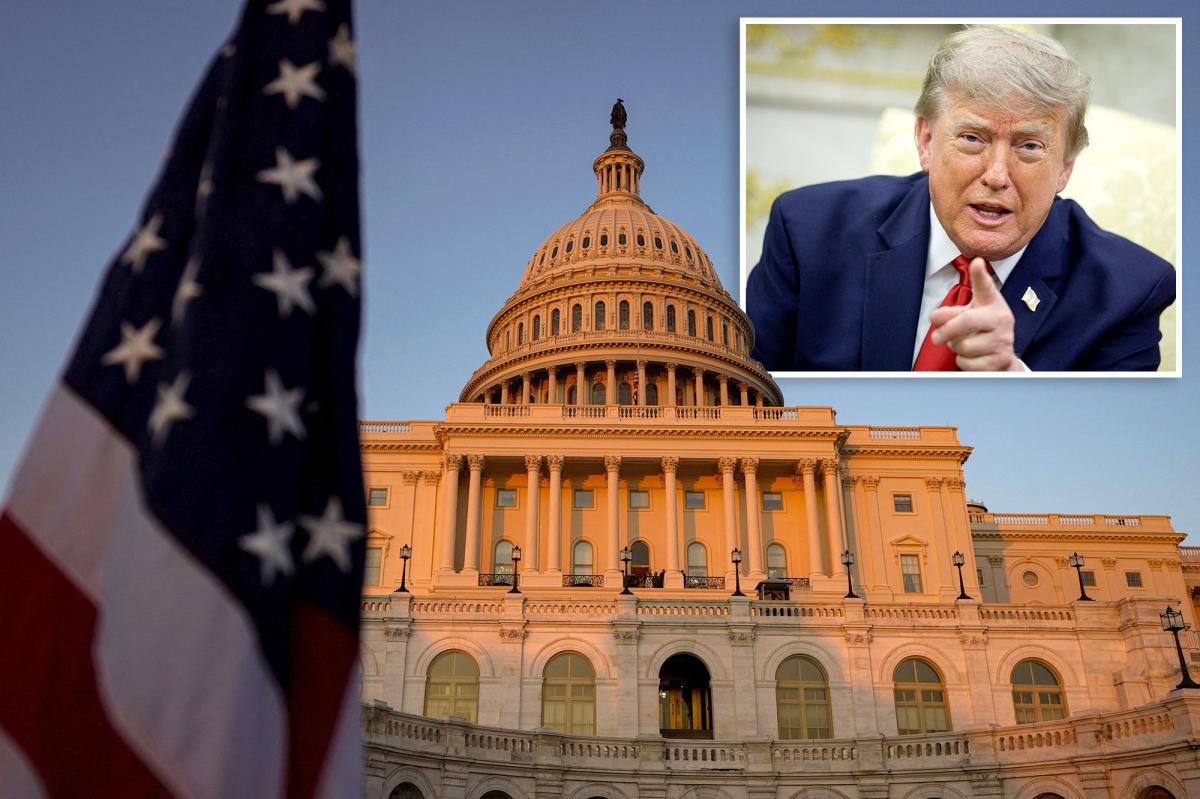
President Trump expressed strong support for Sunshine Protection Act after it advanced out of committee in May.
“It’s time that people can stop worrying about the ‘Clock,’ not to mention all of the work and money that is spent on this ridiculous, twice-yearly production,” Trump wrote on Truth Social. “It will also be a very nice WIN for the Republican Party. Take it!”
“We are going with the far more popular alternative, Saving Daylight, which gives you a longer, brighter Day — And who can be against that — This is an easy one!” he argued.
Rep. Madeleine Dean (D-Pa.) spoke out against the bill ahead of the vote, arguing it “is being rushed to the floor as a political bargaining chip without thorough consideration of the impacts.”
“Permanent time is a national decision with implications for every aspect of our health and economy,” she continued. “It deserves a robust, thoughtful debate and an amendment process that allows members to test each provision of the bill.”
Dean instead argued in favor of observing standard time – the time in the winter months – year round.
“Early morning light is an important environmental cue to set our body’s internal clocks and promote alertness, and dim evening light tells our bodies that it is time to sleep,” the congresswoman said. “We function best, scientists tell us, on a physical, mental, and social level when our bodies, the sun and the clock are all aligned.”
Roughly 20 states, including Alabama, South Carolina, Oregon, Maine and Florida, have already passed legislation that would make daylight saving time permanent if Congress were to authorize the practice.
Every state except Hawaii and most of Arizona observe daylight saving time.
Read the full article here


