



Hundreds of Queensland children affected by the government’s gender therapies ban will be eligible to join a recently launched class action, a court has ruled, with the government potentially liable to pay millions in compensation if the claim is successful.
The Queensland Civil and Administrative Tribunal (QCAT) approved a complaint, originally brought by a 12-year-old child diagnosed with gender dysphoria, earlier this month, and ruled for it to proceed as a class action-style case against the government’s ban.
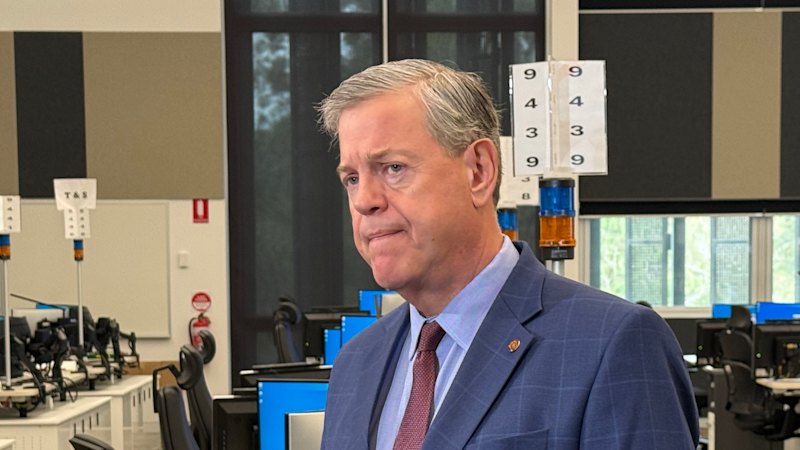
Health Minister Tim Nicholls announced a ban on stage 1 puberty blockers and stage 2 hormone therapies for children with gender dysphoria and a review of publicly funded services in January 2025.
While the legality of the directive was successfully challenged in the Supreme Court in October, Nicholls used his ministerial powers to reinstate the pause hours after the ruling was made.
QCAT’s recent ruling will allow for all young people diagnosed with gender dysphoria who had not started treatment before the 2025 ban to join the claim. As of June 2024, there were 491 patients awaiting treatment through the state’s public gender clinic.
The tribunal also ruled Queensland Health Minister Tim Nicholls be required to join the proceedings.
The 12-year-old child who brought the claim to QCAT had been a patient of the Queensland Children’s Gender Clinic since about 2018, but had not been prescribed stage 1 puberty blockers at the time of the ban.
They are seeking for the ban to be overturned, a private and public apology from the health minister, and compensation of $50,000 for each member of the class action for hurt, humiliation, embarrassment and distress caused by the directive.
LGBTI Legal Service solicitor Emma Bastable, whose firm is supporting the case, said the class action is not only limited to children who were already on the treatment pathway at the time of the ban, but will include anyone denied the opportunity to seek treatment, including those diagnosed with gender dysphoria over the last 18 months.
“The tribunal has recognised exclusion itself can cause harm, even before a young person reaches the point of treatment,” Bastable said.
“Importantly, this is an opt-out representative complaint. Every young person who meets the class definition is automatically included unless they choose to opt out by a date that will be set by the tribunal.”
Equality Australia legal director Heather Corkhill praised QCAT for recognising a systematic issue affecting large numbers of trans young people and their families, rather than an isolated complaint from a single young person.
“Governments should not be able to deny healthcare to an entire group of young people without being held accountable for the consequences,” she said.
A spokeswoman for Nicholls said as the matter is before the court, the minister is unable to provide any comment.
Start the day with a summary of the day’s most important and interesting stories, analysis and insights. Sign up for our Morning Edition newsletter.
From our partners
Read the full article here


