







Published on
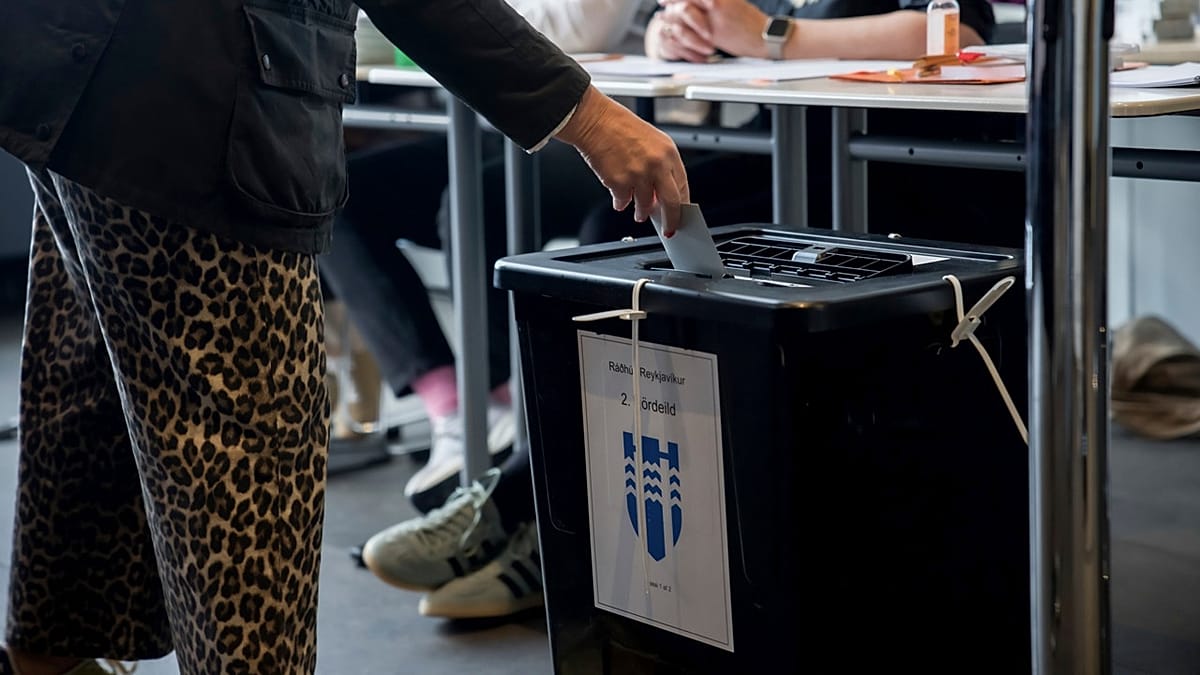
Iceland’s capital Reykjavík recorded a higher voter turnout in the high-stakes EU referendum by noon than at the same time during the country’s parliamentary elections in 2024, preliminary figures showed on Saturday.
In the hours after voters began casting their ballots in the referendum that will determine whether to reopen EU accession talks, 13.7% had voted by noon in the Reykjavík North constituency, compared to just over 10% in the 2024 election.
In Reykjavík South, just over 14% had voted by noon, compared to just over 11% for the parliamentary election.
More than 20% of voters cast early ballots in advance of election day, Iceland’s national broadcaster RÚV said.
A close race is expected, with a final poll on Friday indicating 50.4% of voters plan to vote yes and 49.6% no.
Backers of EU membership say it’s best for Iceland to get closer to its European neighbours to combat issues that don’t respect borders, such as climate change. They also say the euro would bring more stability than Iceland’s volatile króna currency.
Opponents say the current setup is just right and that Iceland already enjoys all the benefits of European integration without the sovereignty compromises that inevitably come with full membership. They cite trade deals, such as one with China, that are more favourable.
“I think that we should be a part of a bigger unity. I think it’s worth looking into it,” Unnur Jokulsdottir, a 71-year-old retiree, said after casting her ballot in Reykjavík’s City Hall.
In contrast, Olafur Thorsson, a 53-year-old fish trader, said he was sceptical.
“I used to like the European Union back when it was a good thing. But today it’s become a sort of big economic prison,” he said.
The country of just under 400,000 people applied to join the EU in the wake of a 2009 financial crisis that devastated its economy.
Membership talks were then suspended in 2013 when a eurosceptic government came to power.
A yes vote would trigger renewed negotiations with the European Commission covering 35 areas, from the economy to human rights.
The issue of fisheries — a pillar of Iceland’s economy and over which Reykjavík wants to retain exclusive control — would have to be hammered out with Brussels, which this time around appears more willing to compromise.
On the global stage, the return of war in Europe with Russia’s invasion of Ukraine has shaken established security doctrines.
Trump’s unpredictability and his threats to take over neighbouring Greenland — which he has mixed up with Iceland on several occasions — have added to Icelanders’ concerns.
Their island is strategically located in the sub-Arctic, has no military and depends on NATO and a 1951 bilateral agreement with the United States for its defence.
The result of the vote will be followed closely by the EU, which has not welcomed a wealthy, net contributor to its budget since 1995.
Additional sources • AP, AFP
Read the full article here


