



Chinese tech giant Xiaomi is officially the first phone-maker to use Qualcomm’s freshly unveiled premium chipsets in its new flagship phones. The Xiaomi 18 Pro and 18 Pro Max were announced on Wednesday in Beijing and are powered by the Snapdragon 8 Elite Gen 6 and 8 Elite Extreme Gen 6, respectively, making them two of the most powerful smartphones on the market right now.
But that market is initially limited to China, although a global launch for the phones will take place before the end of 2026. Like other Xiaomi phones, they won’t be coming to the US.
I went hands-on with the phones at the Snapdragon Summit in Hawaii, where Qualcomm had lifted the lid on the new chips just 24 hours earlier. The two models look almost identical aside from size and bear more than a passing resemblance to the iPhone 18 Pro and 18 Pro Max, which are also new this month.
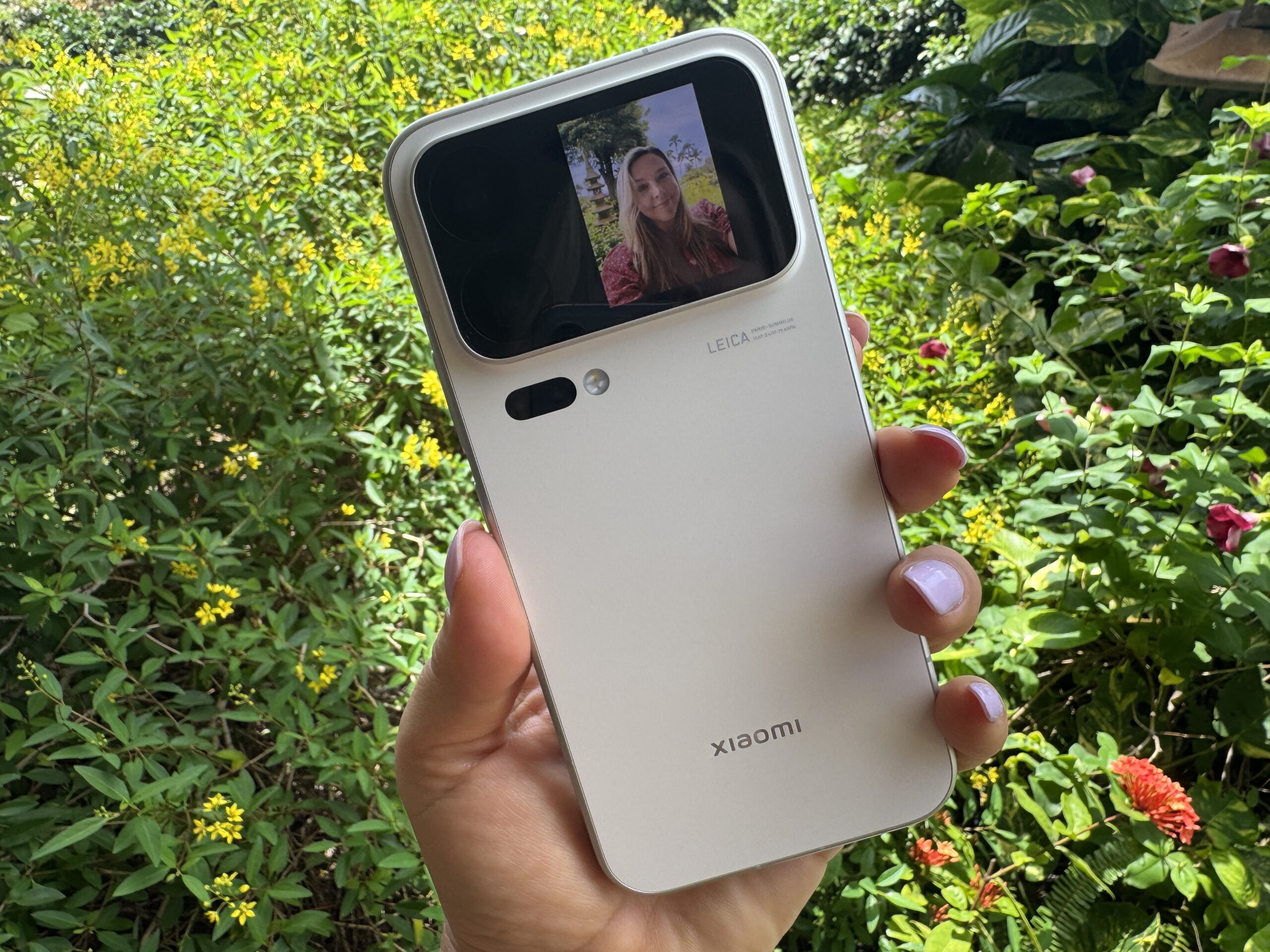
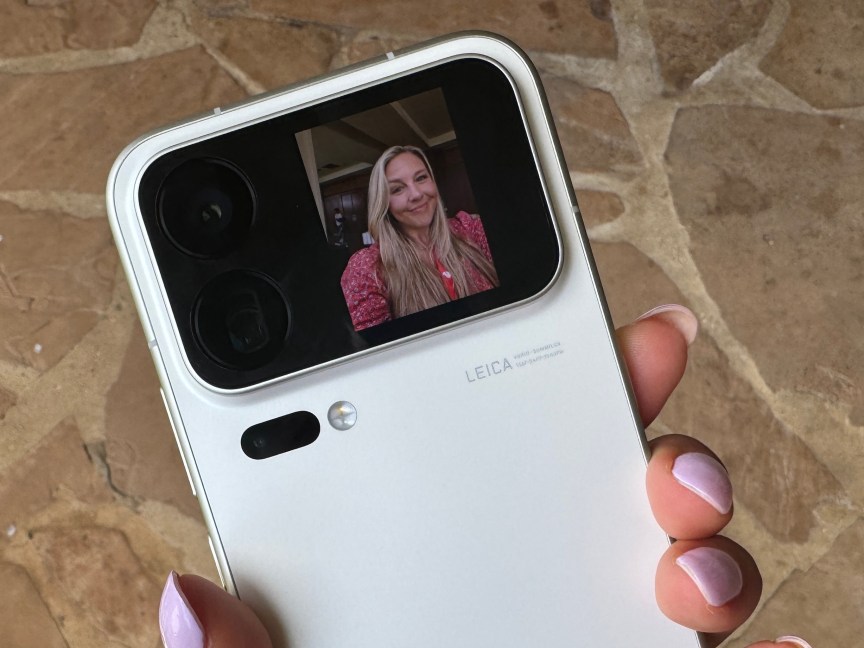
One major difference is the rear OLED screen, which sits beside the camera module (and was also on the 17 Pro series). Xiaomi says this display can show important notifications when your phone is face down on the table — a little like Nothing’s light-up glyph system — allowing you to mindfully disengage from scrolling without completely cutting yourself off. For this particular use case, I think Nothing might have the edge, as less time looking at screens is probably better for us. But I enjoyed the widgets and animated wallpapers, as well as the upgraded selfie-shooting experience the display unlocks.
Even though front-facing cameras have improved dramatically in recent years, photo quality can never quite compare with the pictures rear cameras deliver. But the second screen lets you use the rear camera for selfies and vlogging, just as you might use the front camera on your phone.
I’m a longtime fan of Xiaomi’s cameras, and while I haven’t had a chance to fully test the 18 Pro Max, the company’s previous phones and continued partnership with Leica give me every reason to hope this new generation will continue to deliver. The 18 Pro Max has a 200-megapixel main camera, a 200-megapixel telephoto camera that supports macro photography as close as 12 centimeters (4.72 inches), and a 50-megapixel ultrawide camera. In my brief hands-on time with the phone, I was pleased with the quality of the selfies I snapped — they’d have been straight to Instagram if it had been my own phone.

Privacy Display
Another standout feature of the 18 Pro and 18 Pro Max is the Privacy Display, which works similarly to Samsung’s technology of the same name on the Galaxy S26 Ultra. Privacy Display restricts viewing angles so you can see only the screen when you’re looking at it straight on.
With Xiaomi’s version, you can choose whether to apply the tech to the full screen, individual apps or split screen, so that it blocks only the top or bottom. I tried this out with Privacy Display applied to the gallery at the top half of the screen. I could still make out the general shapes on the display, but it did obscure and darken the details, so I couldn’t see the content of the photos when I turned the phone to the side.
The 18 Pro and 18 Pro Max that I saw were both China editions featuring 7,000-mAh and 8,500-mAh silicon-carbon batteries, respectively. The versions that eventually go on sale in Europe and other regions may have different specs, but we won’t have long to wait to find out, with the global launch coming within the next few months.
Editor’s note: Katie Collins’ travel costs for the Snapdragon Summit were covered by Qualcomm. The judgments and opinions of CNET are our own.


See full bio
Read the full article here


