



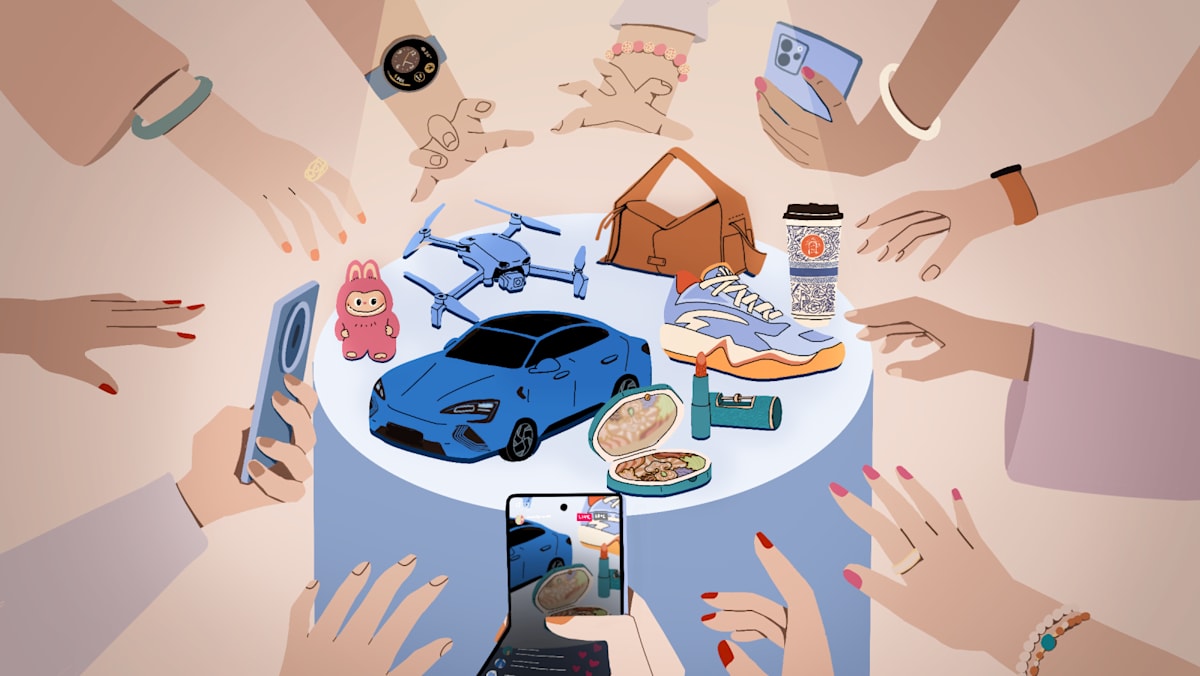
Unlike tech and automotive companies, lifestyle brands are more closely tied to culture and soft power, said Huang Hai, a founding managing partner at Beijing-based venture investment firm Zesheng Venture.
And building on emotional appeal with audiences – by tapping into feelings like joy and nostalgia is key for lifestyle brands if they want to forge deep and lasting connections.
They will need to utilise aspects like identity and aspiration to develop strong emotional connection with their customers, Huang said.
“Consumers need to feel that the brand understands them,” he added.
Chiang from CEIBS added that building trust with overseas consumers takes time and “a deep understanding of (local) tastes, social nuance and even the regulatory landscape”.
The outcomes are intangible and take years,” he cautioned.
Closer to home, markets across Southeast Asia continue to be generally more receptive to Chinese brands because of their proximity to China, said Red Ant Asia’s Harca.
Even so, while “Brand China” is increasingly something to be proud of, it is not yet as “globally definitive” as “Brand Korea”, she added.
CROWDS TELL THE STORY
Back home, the success of Chinese brands is already evident in one of the country’s best known shopping streets.
Once dominated by foreign brands and luxury labels, Shanghai’s bustling Huaihai shopping street was filled with overseas tourists on a Sunday afternoon – seeking out homegrown Chinese brands.
Throngs of shoppers were seen queuing inside a Songmont store. Among them was Shamata Shetty, a tourist from Mumbai.
“It didn’t come across as a cheap-quality brand at all,” she said.
Read the full article here


