



CLASHING CLAIMS OVER IMPACT
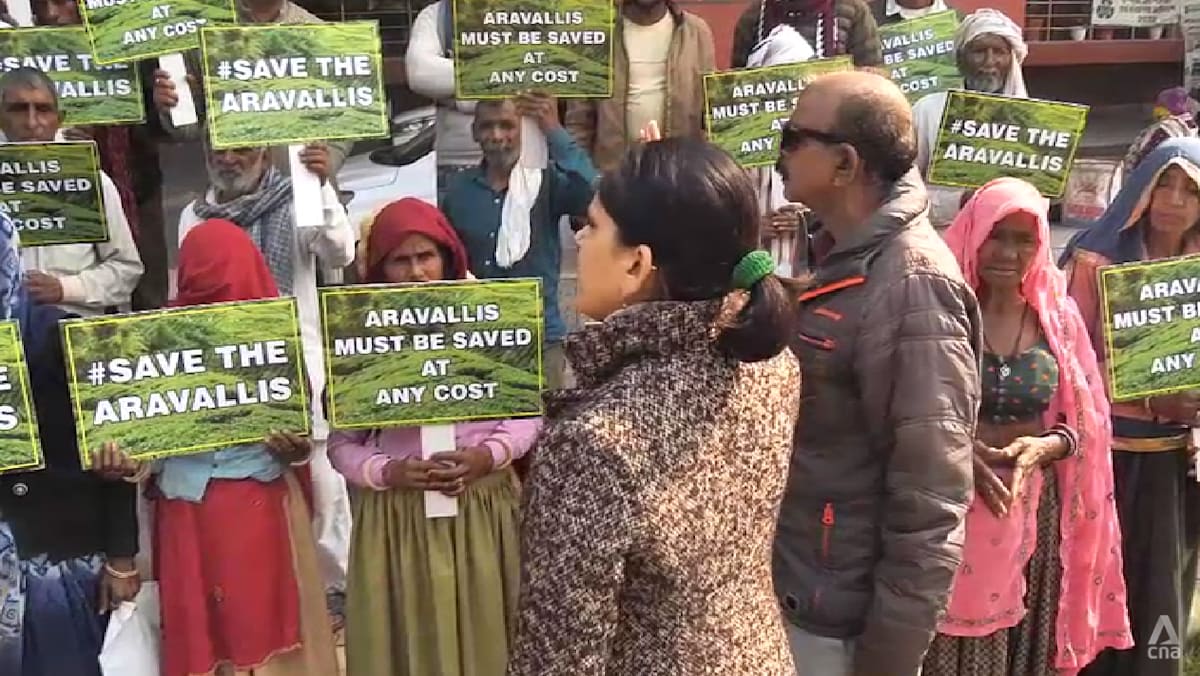
Environmental groups argue the criteria are overly narrow and could exclude up to 90 per cent of the hills from protection, leaving them vulnerable to mining.
But the Indian government has dismissed those concerns.
Environment Minister Bhupender Yadav has asserted that less than 0.2 per cent of the total landscape will be eligible for mining, adding that the rest of the Aravallis will remain protected.
The government noted that no new mining leases would be granted until a comprehensive sustainable mining plan is finalised.
India’s strategic minerals mission has identified lithium and rare earth deposits in areas adjacent to the Aravallis, resources that are crucial for reducing dependence on imports and building competitive global supply chains.
Environmentalists counter that the ecological value of the Aravallis far outweighs potential mining gains.
The hills are seen as essential for groundwater recharge and as a natural shield that helps block desertification and dust from the Thar Desert.
“It actually stops the dust from coming from the Thar, and (it is) also a weather and a climate barrier in many ways,” said Vimlendu Jha, founder of youth and environment organisation Swechha.
“Importantly right now, the backdrop of all this conversation is high air pollution. So the significance of greens … and the national forests that are actually present is extremely important.”
Following petitions and mounting public pressure, the Supreme Court last month put its earlier acceptance of the definition on hold and ordered the formation of a new expert committee, citing critical ambiguities in the proposed definition.
Observers said the court’s eventual decision could have far-reaching implications – not only for the future of the Aravalli hills, but for how India balances environmental protection with its economic and mineral ambitions.
Read the full article here


