



DEATH TOLL: Iran: 1,300 Lebanon: 968 Israel: 14 U.S. troops: 13
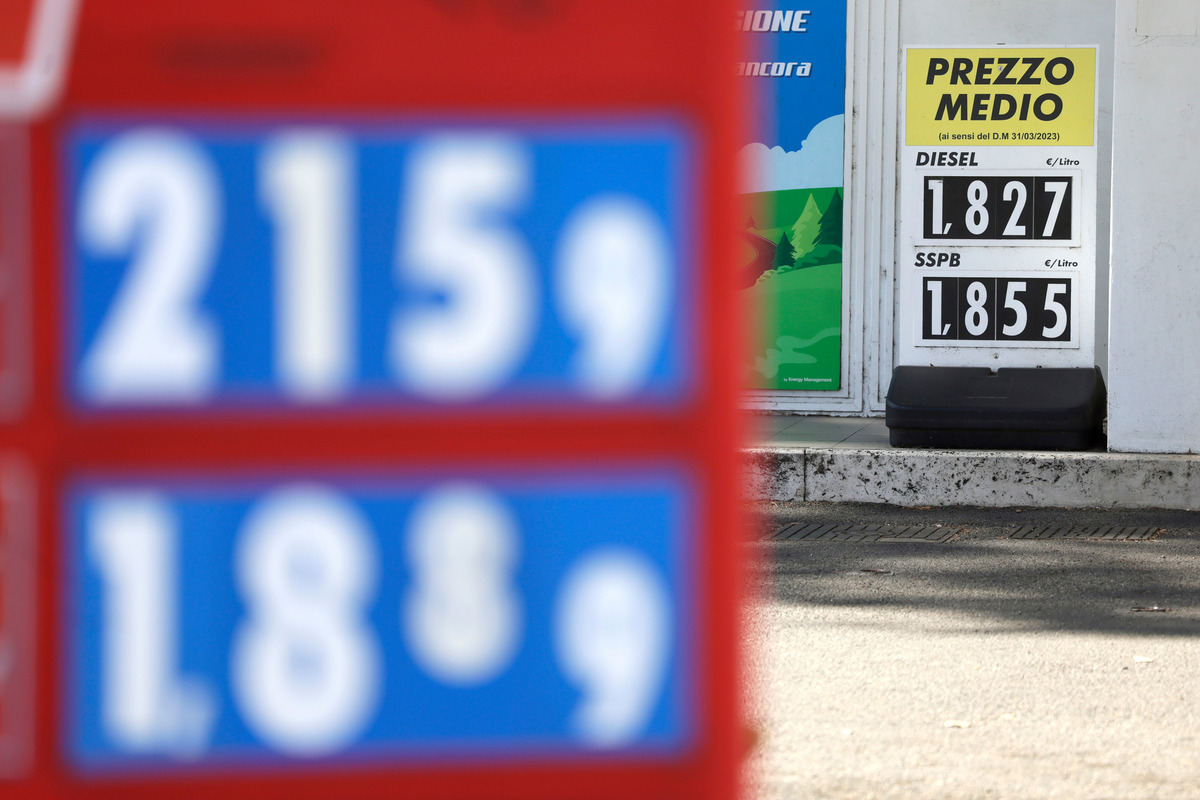
Oil and gas prices jumped on Thursday as Iran attacked energy sites across the Middle East, increasing the pressure on global markets already strained by weeks of uncertainty over oil supplies trapped around the Strait of Hormuz.
Brent crude, the international benchmark, leaped to more than $116 a barrel, while gas prices across Europe shot up over 30 percent.
The spikes came after President Donald Trump warned the U.S. would “massively blow up” the South Pars Gas Field—part of a joint Iranian-Qatari gas reserve—if Tehran continued attacks on Qatari liquefied natural gas (LNG) sites.
Iran caused “extensive” damage and sparked fires at Qatari LNG facilities from late Wednesday, state-owned QatarEnergy said. Tehran described the strikes as a response to Israeli attacks on its coastal gas infrastructure, connected up to the South Pars field, on Wednesday.
Iran gets the vast majority of its domestically-used natural gas from the vast offshore field, while Qatar has used its own access to to become one of the world’s most important gas exporters. Qatar is responsible for about a fifth of the world’s LNG, and prices shot up on Thursday as fears over gas supplies ballooned.
Energy Dilemmas
Trump has distanced the U.S. from Israeli targeting of South Pars, insisting Washington and Doha were not involved in attacking the world’s largest gas reserve. But several U.S. media reports have suggested the White House was aware of Israeli plans to attack sites linked to the gas field.
Iran’s powerful Islamic Revolutionary Guard Corps (IRGC) then said it had targeted “U.S.-linked” energy facilities in the Gulf on Thursday after issuing evacuation warnings for multiple sites. Saudi Arabia and Kuwait said drones targeted three oil refineries, while the United Arab Emirates (UAE) reported Iranian missiles heading for the Habshan gas site and the Bab oil field, close to Abu Dhabi.
The Habshan gas facilities have been shut down after debris showered down, city officials said.
Treasury Secretary Scott Bessent suggested the Trump administration could temporarily lift sanctions on about 140 million barrels of Iranian oil stuck in and around the Strait of Hormuz, which Bessent said was up to two weeks’ supply of oil originally destined for China.
“We will be using the Iranian barrels against the Iranians to keep the price down,” Bessent told Fox News.
Iran’s weeks of threats to attack ships in the area has maintained an effective chokehold on the Strait of Hormuz, which is vital for energy supplies.
Broader Strikes Continue
Elsewhere, Israel said it had targeted an Iranian military helicopter in the western city of Hamadan, and that its operations in southern Lebanon had killed more than 20 members of Tehran-backed political party and paramilitary group Hezbollah in the previous 24 hours.
Lebanese health officials said at least 968 people had been killed in Israeli attacks on the country, as Israeli forces push up through southern Lebanon and continue striking Hezbollah-linked districts of Beirut.
Air raid alerts rang out in Israel several times on Thursday, while Iranian state media reported Tehran had fired nine medium-range ballistic missiles with cluster warheads at central and northern Israel.
Cluster munitions are weapons that release dozens or even hundreds of smaller “bomblets,” which are less powerful than a single warhead but can cause indiscriminate damage over a much wider area.
More Funding For the Pentagon?
The White House is weighing up deploying thousands of U.S. troops to the Middle East, the Reuters news agency reported, citing four unnamed sources. At least 13 American soldiers have been killed in the war since late February and another 200 injured.
Defense Secretary Pete Hegseth wouldn’t be drawn on a time frame for ending the war, but told reporters on Thursday the U.S. was “on plan” and “on target.”
Nodding to reports that the Pentagon had passed on a request to receive $200 billion in extra funding from Congress, Hegseth remarked: “It takes money to kill bad guys.”
Read the full article here


