



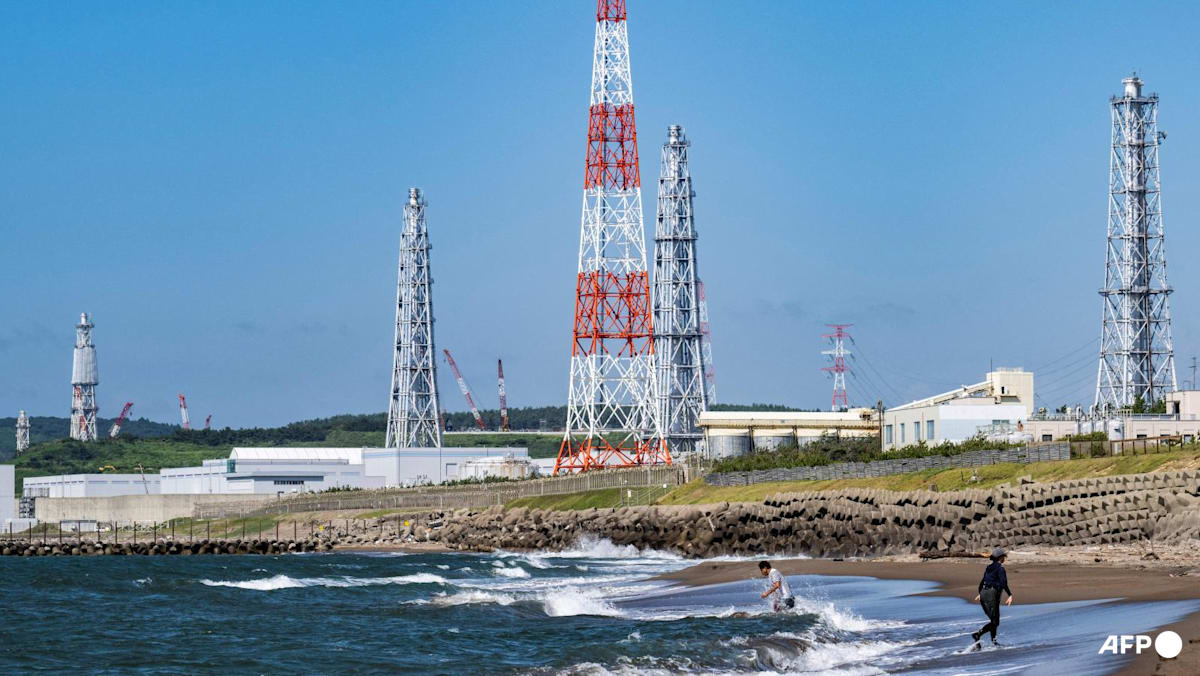
KASHIWAZAKI-KARIWA: The world’s largest nuclear power plant is once again supplying electricity to about 450,000 households in Japan, more than a decade after it was shut down following the Fukushima nuclear disaster.
The Kashiwazaki-Kariwa nuclear station resumed commercial operations on Apr 16, according to its operator Tokyo Electric Power Company (TEPCO).
The restart is the latest of Japan’s efforts to revive its nuclear energy sector and reduce dependence on imported fossil fuels.
GENERATES ELECTRICITY FOR KANTO
The facility spans the city of Kashiwazaki and the village of Kariwa, located in Niigata prefecture, which was once a hub for crude oil production before shifting its focus to nuclear energy.
Today, the Kashiwazaki-Kariwa nuclear plant is the largest in Japan, with seven reactors and a total generating capacity of 8,212 megawatts.
It is the world’s biggest nuclear power plant by potential capacity, although just one of its reactors has been restarted.
The electricity it generates is transmitted hundreds of kilometres away to the Kanto region, including Tokyo.
The plant first began operations in 1985, but all reactors across Japan were shut down in 2011 after an earthquake and tsunami triggered a major nuclear accident at the Fukushima Daiichi Nuclear Power Plant – the worst since Chernobyl.
Japan currently has 33 nuclear reactors, according to the Japan Atomic Industrial Forum. Nearly half – 15 reactors – had returned online as of fiscal year 2025.
Read the full article here


