



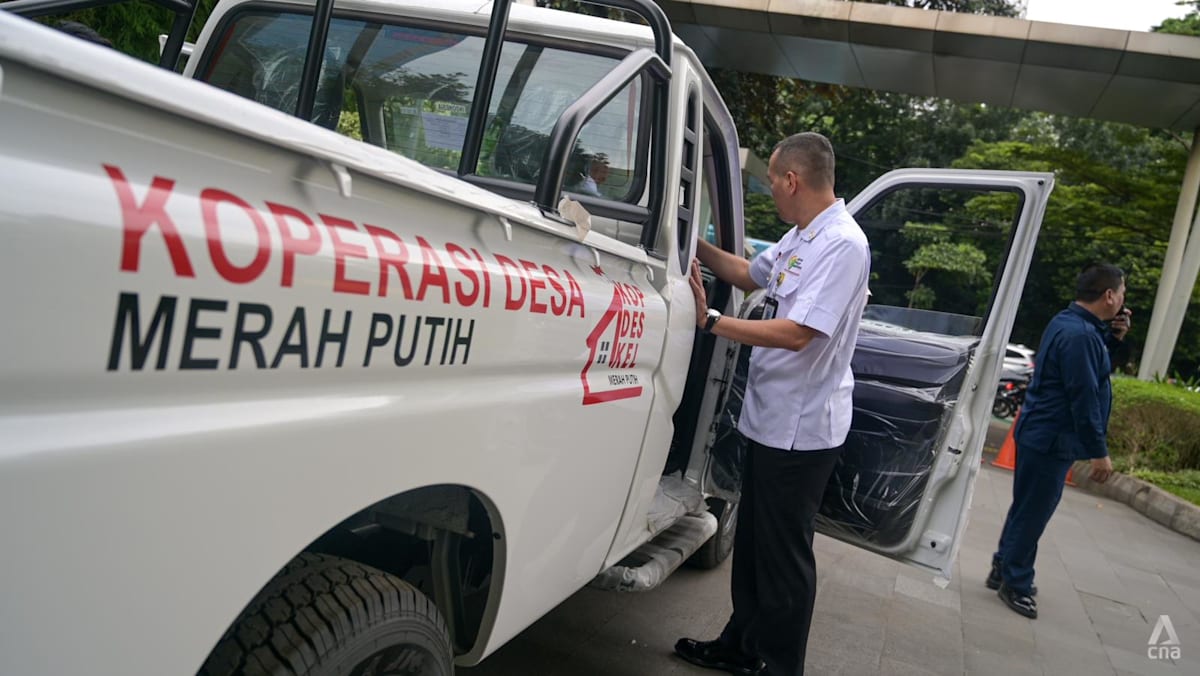
Meanwhile, the Indonesian Chamber of Commerce and Industry (Kadin) said importing completely built-up (CBU) vehicles risks undermining the national automotive manufacturing and weakening industrial supply chains.
It also questioned coordination by relevant ministries, while noting that the procurement value is significant.
“Importing CBU cars is tantamount to killing the automotive industry,” said Saleh Husin, deputy chairman of Kadin for the industrial sector.
Firman Soebagyo, a member of parliament from Golkar party – which is part of Prabowo’s government – said the import move runs counter to the president’s stated goal of strengthening the domestic industry.
He also questioned the availability of spare parts and the after-sales support in rural areas.
In Toyota’s case in Indonesia for example, Firman said the Japanese firm already has a supply chain in the country, even involving micro, small, and medium enterprises (MSMEs).
“So this could kill MSMEs as they will be affected by the plan to import vehicles from India,” said Firman.
Similarly, president of labour group Nusantara Trade Union Confederation Ristadi said that the domestic automotive sector is already facing reduced orders and partial layoffs, adding that awarding the contract to foreign producers could cost Indonesian jobs.
“We support the Red-White village cooperative, which aims to improve the people’s economy in rural areas while also creating jobs,” said Ristadi, who goes by one name.
“Prabowo wants to prioritise economic nationalism, so everyone should maximise the potential of our domestic resources.”
Policy analyst Agus Pambagio from the PH & H Public Policy Interest Group questioned whether lawmakers had been consulted about the plan before the orders were placed.
Agus said that although Agrinas is a state-owned enterprise, it should consult parliament before deciding on major plans.
“Who should be responsible for this? Have the details even been discussed, like who should maintain the (vehicles), what to do when they break down?”
Although other Asian countries, such as Sri Lanka and the Philippines, have imported vehicles from Mahindra & Mahindra and Tata Motors, none of them has placed a single large order that courted controversy.
Sri Lanka’s police received 125 Mahindra SUVs at the end of 2022, while the Philippine police received around 1,500 Mahindra vehicles in 2014.
It is noted, however, that the Philippine procurement ran into issues later and faced scrutiny from the country’s Commission on Audit.
Read the full article here


