



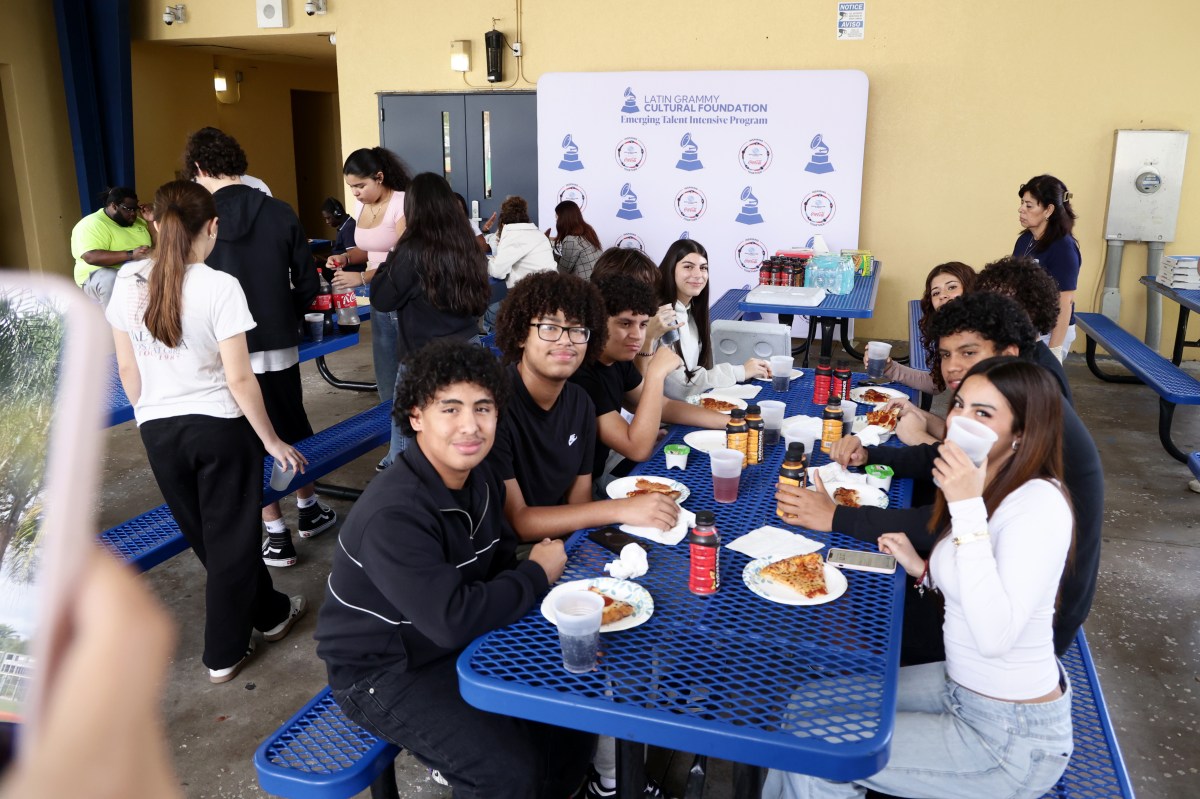
A coalition of Democratic‑led states is warning that millions of children could lose access to free or reduced‑price school meals if the Trump administration is allowed to enforce sweeping new conditions on federal funding administered by the U.S. Department of Agriculture (USDA).
In a lawsuit filed in federal court in Massachusetts, 21 states and the District of Columbia argue that USDA’s new “2026 Conditions” unlawfully threaten funding for school lunch and breakfast programs by tying meal reimbursements to vague policy requirements involving gender identity, women’s sports, immigration and diversity initiatives. The states say the rules could allow the federal government to freeze or withhold school meal funds, even though Congress mandated that those programs be funded without additional conditions.
“The loss of funding to food and nutrition programs would lead to food insecurity, hunger, and malnutrition, which are
harms unto themselves and also associated with numerous negative health outcomes in children, such as poor concentration, decreased cognitive function, fatigue, depression, behavioral problems, weakened immune system, stunted growth, insulin resistance, blindness, soft bones, and cardiovascular issues,” the states wrote in the lawsuit.
Newsweek reached out to Michael Fitzgerald, an attorney for the USDA, for comment via email, but did not receive a response in time for publication.
An estimated 15 million kids participated in the school breakfast program and over 29 million used school lunch programs, according to the Food Research & Action Center.
Under the 2026 Conditions—issued at the end of 2025—USDA requires recipients of federal funds to certify compliance with a broad set of undefined “policies,” including prohibitions on “promoting gender ideology,” supporting programs that allegedly undermine women’s sports, or directing funds toward programs that benefit undocumented immigrants. With those funds tied to compliance, the states argue the rules create a risk that school meal reimbursements could be delayed, frozen, or cut off.
The National School Lunch Program and School Breakfast Program, together, serve tens of millions of students each school day. Unlike discretionary grants, these programs are mandatory entitlements under federal law. When eligible meals are served, USDA is required to reimburse states based on a statutory formula, and states have argued that the USDA doesn’t have the authority to withhold that funding.
The states also argued that the condition that funds can’t be used to benefit undocumented immigrants goes against federal law. Congress mandates that all school-aged children are eligible for school meal programs, regardless of their citizenship status. So, there’s confusion as to whether complying with the Congressional mandate that children who are not legally in the United States get school meals would violate the condition for funding under new USDA rules.
A major concern raised in the lawsuit is that the rules are so vague that states and school districts cannot tell what conduct might jeopardize funding.
The complaint outlines scenarios in which USDA could claim that school lunch funds were improperly “directed toward” a non‑compliant program—even if the alleged violation has nothing to do with food service. For example, a school that serves federally reimbursed lunches but later adopts policies on athletics participation or student inclusion that USDA disfavors could still be targeted, the states say.
Because schools operate as unified institutions, the states argue it would be nearly impossible to firewall lunch dollars from every other activity taking place in a school building.
If USDA is allowed to enforce the 2026 Conditions against school nutrition programs, the states warn that:
- School lunch and breakfast reimbursements could be frozen or withheld, despite federal mandates
- States and districts could face sudden budget shortfalls that they cannot absorb
- Millions of students—particularly low‑income children—could lose access to daily meals
- Local food suppliers and farmers tied to school meal contracts could suffer economic harm
The complaint describes these harms as “immediate and irreparable,” noting that states do not have the financial capacity to replace billions of dollars in federal nutrition funding on their own.
Beyond school lunches, the lawsuit frames the dispute as a fundamental fight over the limits of executive power. The states argue that USDA is attempting to use funding conditions to force states to adopt the administration’s policy priorities, even where Congress has spoken clearly and left no room for agency discretion.
In doing so, the states say, USDA is violating both the U.S. Constitution’s Spending Clause—which requires funding conditions to be clear and non‑coercive—and the Administrative Procedure Act, which governs how federal agencies can make and enforce rules.
The states are asking the court to block USDA from enforcing the conditions, vacate them entirely, and prevent the agency from withholding funds from states, school districts or other sub‑recipients.
For now, school lunch programs continue to operate as normal. No funding has been cut under the 2026 Conditions as a result of this lawsuit. But the outcome of the case could have far‑reaching implications. If the court sides with USDA, states warn it could open the door for future administrations to use school meal funding—and other essential aid—as leverage in broader political and cultural disputes.
In a polarized era, the center is dismissed as bland. At Newsweek, ours is different: The Courageous Center—it’s not “both sides,” it’s sharp, challenging and alive with ideas. We follow facts, not factions. If that sounds like the kind of journalism you want to see thrive, we need you.
When you become a Newsweek Member, you support a mission to keep the center strong and vibrant. Members enjoy: Ad-free browsing, exclusive content and editor conversations. Help keep the center courageous. Join today.
Read the full article here


