



Misery on the menu?
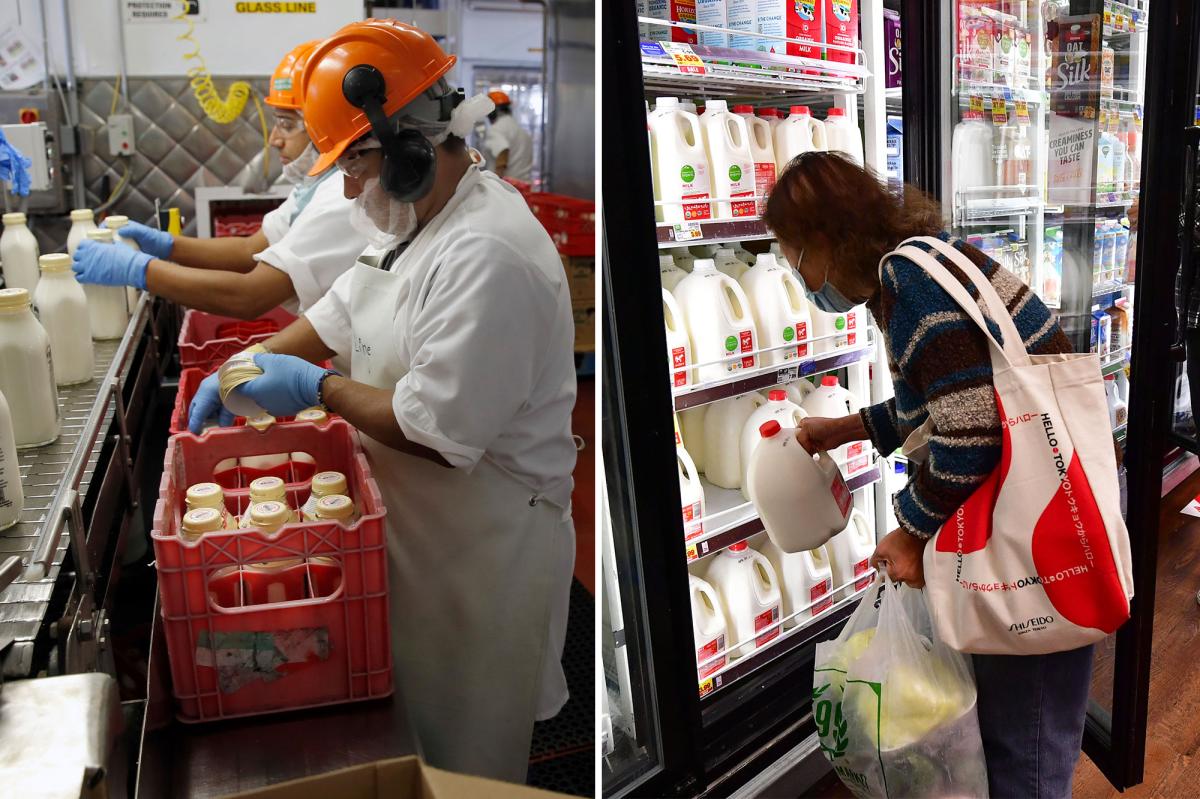
California shoppers could soon be paying even more at the checkout line as a sweeping new state recycling measure threatens to send grocery prices soaring, with dairy manufacturers warning some businesses may be forced to shut down or flee the Golden State.
Senate Bill 54 is now entering its first phase of implementation, with companies expected to receive their first bills as early as next month, reported SFGATE.
The measure aims to reduce landfill waste by making manufacturers financially responsible for the packaging they sell after it is thrown away.
It charges companies impact fees on products they sell while also requiring them to phase out packaging that cannot be adequately reused, recycled or composted.
The dairy industry says it stands to be among the hardest hit because many of its products rely on packaging that does not currently meet the measure’s requirements.
CalRecycle, however, estimates the impact will be far smaller, projecting households will pay between $57 and $190 more annually based on data from the California Department of Finance.
Supporters say those added costs are outweighed by shifting the financial burden of packaging waste from taxpayers to the companies that produce it.
“Rather than forcing taxpayers and ratepayers to shoulder these costs, we are ensuring companies that profit from this mass pollution help pay for its cleanup,” state Sen. Ben Allen, who authored the legislation, said in a June news release.
CalRecycle has also said the program delivers roughly 2.5 times more benefits than costs by reducing waste, increasing recycling and lowering waste management costs for local governments.
SB 54 applies to most packaged consumer goods, from packaged strawberries to cosmetics, and aims to encourage manufacturers to develop more sustainable packaging while reducing unnecessary waste.
But dairy manufacturers argue the legislation fails to account for the industry’s unique food safety requirements.
It’s also facing multiple legal challenges.
A coalition of 17 Republican-led states has sued in federal court, arguing the requirements are overly burdensome and should be struck down.
Environmental groups have filed a separate lawsuit claiming the law was weakened during implementation.
For shoppers, the transition is expected to be simple: fewer labels, fewer guesses — and, state officials hope, a lot less food ending up in the trash.
Read the full article here


