



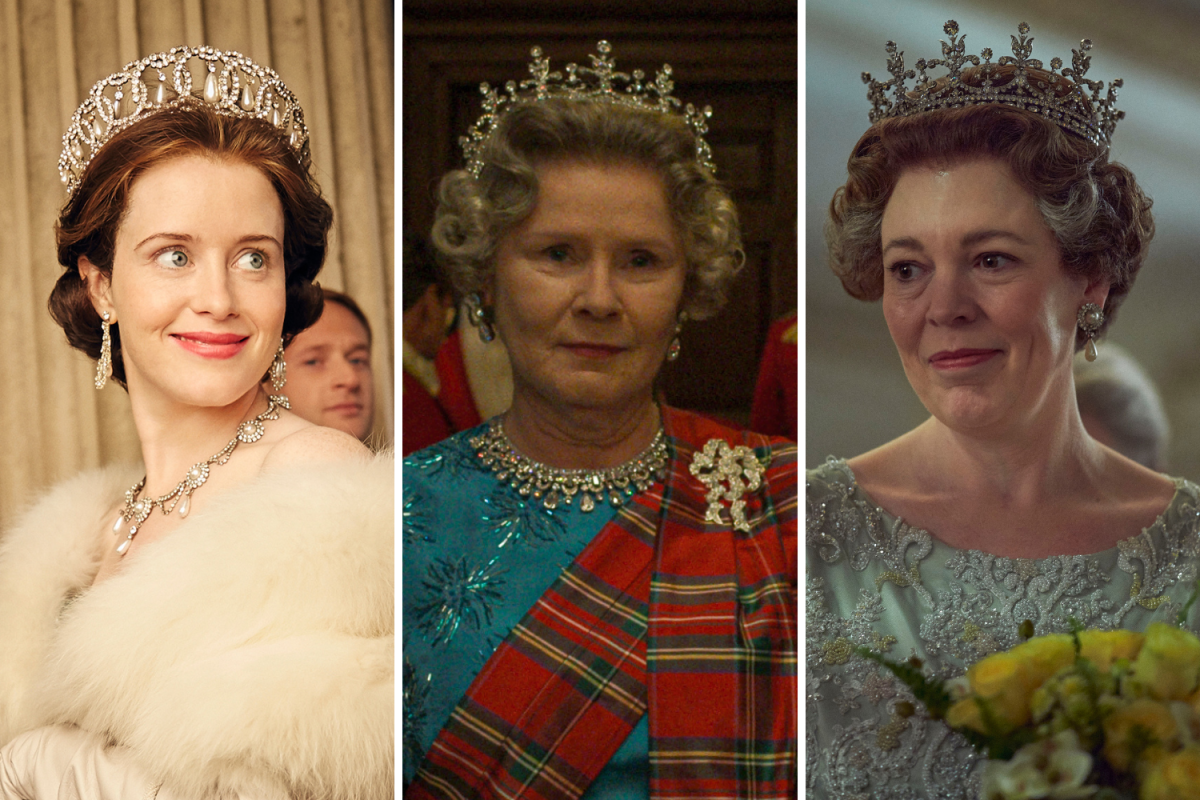
There is exciting news for fans of The Crown as Netflix moves ahead with its prequel to the hit period drama.
The spin-off will reportedly expand the flagship royal drama backwards in time, with the new series set to span from the 1901 death of Queen Victoria to the 1947 wedding of Queen Elizabeth II to the Duke of Edinburgh, Prince Philip.
Peter Morgan, who created and wrote the original series, is expected to return as part of a reported £500 million ($680,250,000) deal with the streaming service, signaling a continuation of the show’s carefully structured, historically driven approach.
The decision places some of the most turbulent decades in modern British history at the center of the upcoming drama, offering a narrative bridge between the end of the Victorian age and the birth of the modern monarchy audiences saw in The Crown’s early seasons.
The prequel would likely chart the transformation of Britain and its royal family through global wars, economic upheaval and constitutional crisis, while laying the foundations for Elizabeth II’s record-breaking 70-year and 214-day reign.
Death of Queen Victoria
Queen Victoria’s death in 1901 marked the end of an era that had defined Britain for more than 60 years. The historical event is expected to kick off the upcoming series.
Her passing would provide a natural opening for the show, presenting a monarchy rooted in tradition confronting a new century of political change, women’s suffrage, industrial power and global influence.
It would also introduce a royal family unaccustomed to life without a dominant matriarch.
The Edwardian Era
The following reign of Edward VII ushered in the Edwardian era, a period of immense social change, relative optimism and the beginning of shifting class structures.
In popular media, it was most recently the backdrop of Downton Abbey, which became one of Britain’s most successful television series, captivating audiences in the U.S.
A prequel could use this phase to explore how the monarchy adapted to a faster-moving society, while personal relationships and court politics reshaped royal life after Queen Victoria’s strict example.
The Sinking of the Titanic
The sinking of the Titanic in 1912 remains one of the defining tragedies of the early 20th century and affected many people living under British rule.
While the royals were not directly involved, the disaster symbolized the limits of technological progress and confidence and had a strong impact on British society.
These are themes that could be reflected in the tone of the series as Britain moved toward war.
World War I
World War I fundamentally altered Britain and Europe.
A dramatization could examine how the royal family responded to conflict and the grief, loss and public scrutiny seen from the British populous, as well as the pressures placed on the crown during a war that challenged old alliances and expectations.
The Roaring Twenties
The postwar years brought some social freedom, glamour and instability.
For the monarchy, the 1920s were marked by attempts to maintain relevance in a rapidly changing culture, as traditional authority increasingly competed with popular media and public opinion.
The Great Depression
Economic collapse in the early 1930s placed Britain under severe strain.
A prequel series could show how financial hardship affected royal responsibilities and public perception, highlighting the gap between wealthy ceremonial powers and their subjects.
World War II
The Second World War could form a dramatic centerpiece, with the royal family’s role becoming highly symbolic during the crisis with the well-documented visibility of Queen Elizabeth’s parents visiting London residents during The Blitz and the family’s decision to stay in the capital during the conflict.
It also set the stage for the next generation, bringing a young Elizabeth closer to public duty and expectation. The then-Princess Elizabeth contributed to the war effort by serving as a driver and mechanic in the Auxiliary Territorial Service.
The Abdication
Edward VIII’s abdication in 1936 to marry divorced American socialite Wallis Simpson remains one of the monarchy’s most significant crises.
A dramatized account would likely focus on the personal conflict, constitutional duty and the shockwaves that reshaped the line of succession.
King George VI’s Reign
George VI’s reluctant rise to the throne and steady leadership through war would allow the series to explore themes of responsibility and resilience, continuing storylines familiar to The Crown audience.
This period of the series, if included, could also delve into Edward VIII’s reported support of Adolf Hitler, which had already been explored in the original Crown.
Queen Elizabeth’s Early Years and Wedding
The series is slated to conclude with Princess Elizabeth’s early adulthood and her 1947 wedding to Prince Philip, bringing the narrative full circle to the beginning of The Crown.
The moment would mark both an ending and a starting point, linking past turmoil to a new monarch shaped by the century that came before it.
Read the full article here


