



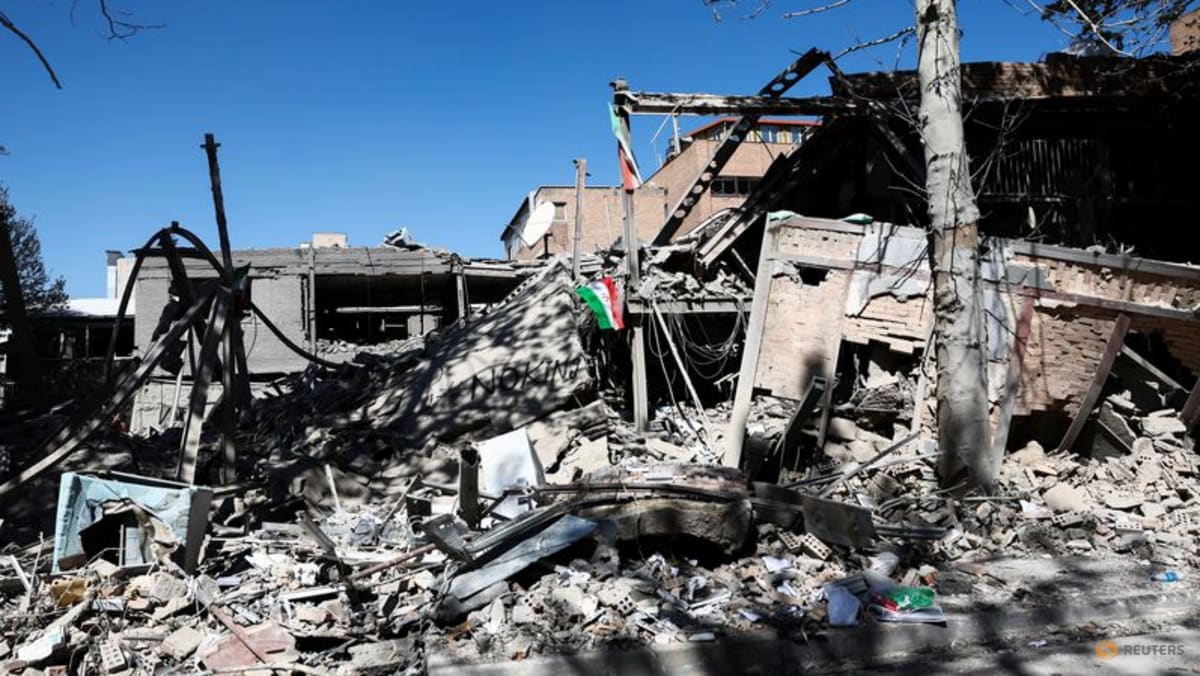
TESTING CHINESE ENGAGEMENT
Speaking during the panel, Jonathan Fulton, an associate professor at Zayed University, said the conflict has tested China’s engagement with the region.
“China’s had an economics-focused approach to the region that works during periods of stability. It doesn’t necessarily work during periods of turbulence,” said Fulton, whose research focuses on China’s relations with the Middle East.
China has expanded its presence in the Middle East in recent years through energy, trade, investment and diplomacy, including brokering the restoration of ties between Saudi Arabia and Iran in 2023.
The region has become increasingly important to Beijing, with the Middle East supplying about half of China’s crude oil imports over the past decade, according to the Columbia University Center on Global Energy Policy, citing its analysis of Chinese customs data.
Fulton said China’s presence in the Middle East grew as Beijing recognised instability in the region could affect its economic and energy interests.
Chinese engagement became more systematic after the launch of the Belt and Road Initiative in 2013 – Beijing’s global infrastructure and investment strategy – but remains largely focused on economic and development cooperation, he added.
Responding to a question on whether the conflict exposed the limits of China’s role as a security actor, another panellist, China foreign policy expert Yun Sun, said the issue was not whether Beijing would play a role, but what form that role would take.
Read the full article here


