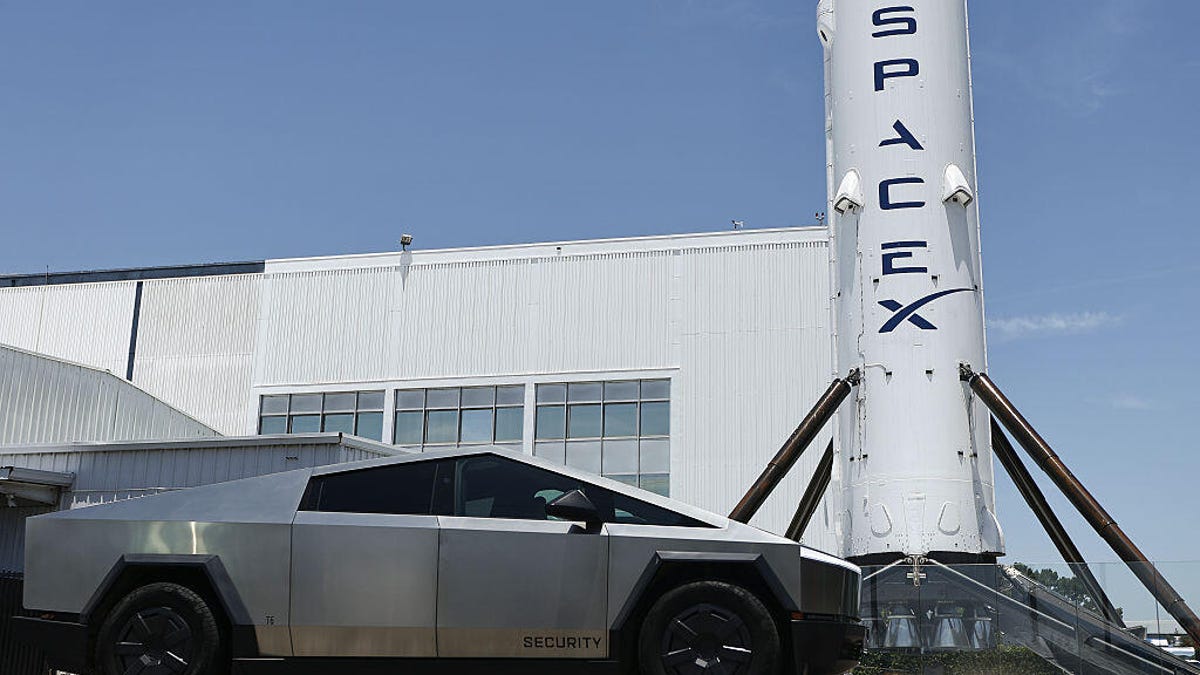
IPOs can be volatile, especially for retail investors. SpaceX is no exception.
I just did a quick Google search for SpaceX IPO. How many hundreds of articles are we actually expected to read about this?
Given the buzz around Friday’s big IPO, there are a few misconceptions worth addressing upfront. While many people view SpaceX as a massive, dominant space enterprise, it’s more complicated than that.
“In reality, it’s a very successful but fairly small satellite launch company, bolted onto a stagnant money-losing social media company and a money-incinerating AI company, and then sprinkled with a lot of hype about humankind going interplanetary,” said Robin Wigglesworth, editor of the Financial Times’ finance blog, Alphaville.
In other words, perhaps it’s more akin to a vertically integrated space and communications company with ambitious, high-risk side bets. Sure, at its center, SpaceX is a launch company that designs rockets (like Falcon 9 and Starship) and sells access to space. But around that, it has those related businesses — most notably Starlink, its satellite internet network, and xAI, which SpaceX acquired in February 2026. And since xAI includes the social media platform X and X’s chatbot, Grok, they’re also under the SpaceX umbrella.
X hasn’t been durable in terms of revenue. And, like most cash-burning AI enterprises, xAI is expensive to run and is reporting very large losses.
One could say the SpaceX ecosystem revolves around a single goal: building the infrastructure needed for global connectivity and, eventually, space settlement. But a major concern is that SpaceX’s overall package is driven more by hype and momentum than by its proven profitability.
Wigglesworth said the biggest immediate risk is straightforward: The stock could drop soon after it begins trading. That outcome would affect both the company and investors, though it wouldn’t necessarily signal broader economic trouble. As he noted, IPOs “do badly all the time.”
In the first few weeks after the IPO, price movements may be misleading. The opening day can be volatile, with banks helping stabilize prices and strong retail demand potentially pushing shares higher. We’ll also see index funds start to buy in, which can help nudge the price up a bit.
However, as Wigglesworth pointed out, the more meaningful test will come after a month, when the market determines whether there is sustained demand “for a company trading at some of the juiciest valuation multiples we’ve seen in history.”
So here’s another misconception to address: If SpaceX is popular, it’s safe to buy, right?
I didn’t have to read too many articles to get an answer to that.
“Popularity and renown are bad indicators for what makes a successful investment,” Wigglesworth told me. “Even good companies can be bad investments at a dumb price.”
Read the full article here