



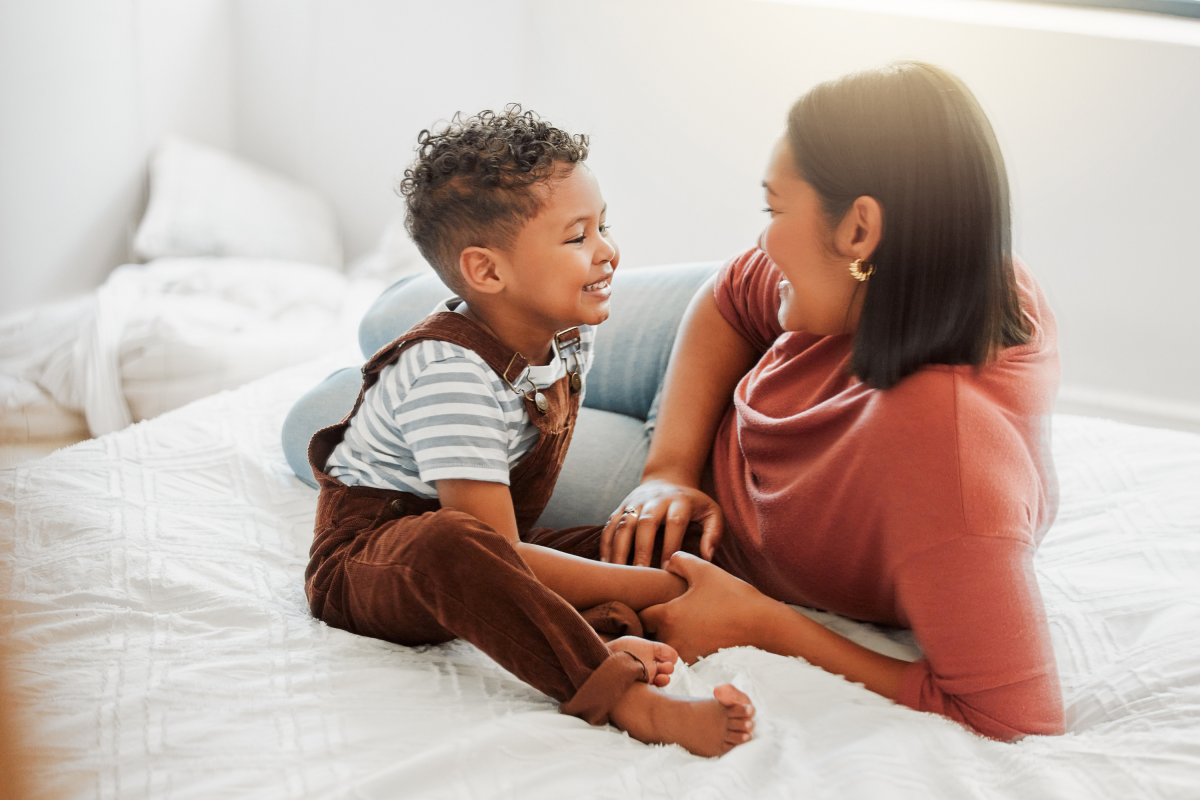
One moment with her ink-covered toddler changed the way Lauran Newman approached honesty and parenting forever.
Newman, 40, told Newsweek the turning point came when her toddler denied spilling ink despite being visibly covered in it.
“I sat there and thought about how my child was scared to tell me that they had done something wrong, even though it was so blatantly obvious,” Newman said. “I knew there just had to be a better way.”
That was when Newman noticed a green glass apple sitting on a bookshelf in her homeschool room—a simple dollar-store decoration—also known as the “truth apple”—that would eventually become a symbol of trust in her household.
She picked it up and wrote a message on it in permanent marker: “If you’re scared to tell me something, just bring this apple to me as a reminder that I’m here to help and support you. I won’t get mad. I love you.”
Over the years, Newman said her three children have used the apple “hundreds of times” to signal they needed help or had something difficult to admit.

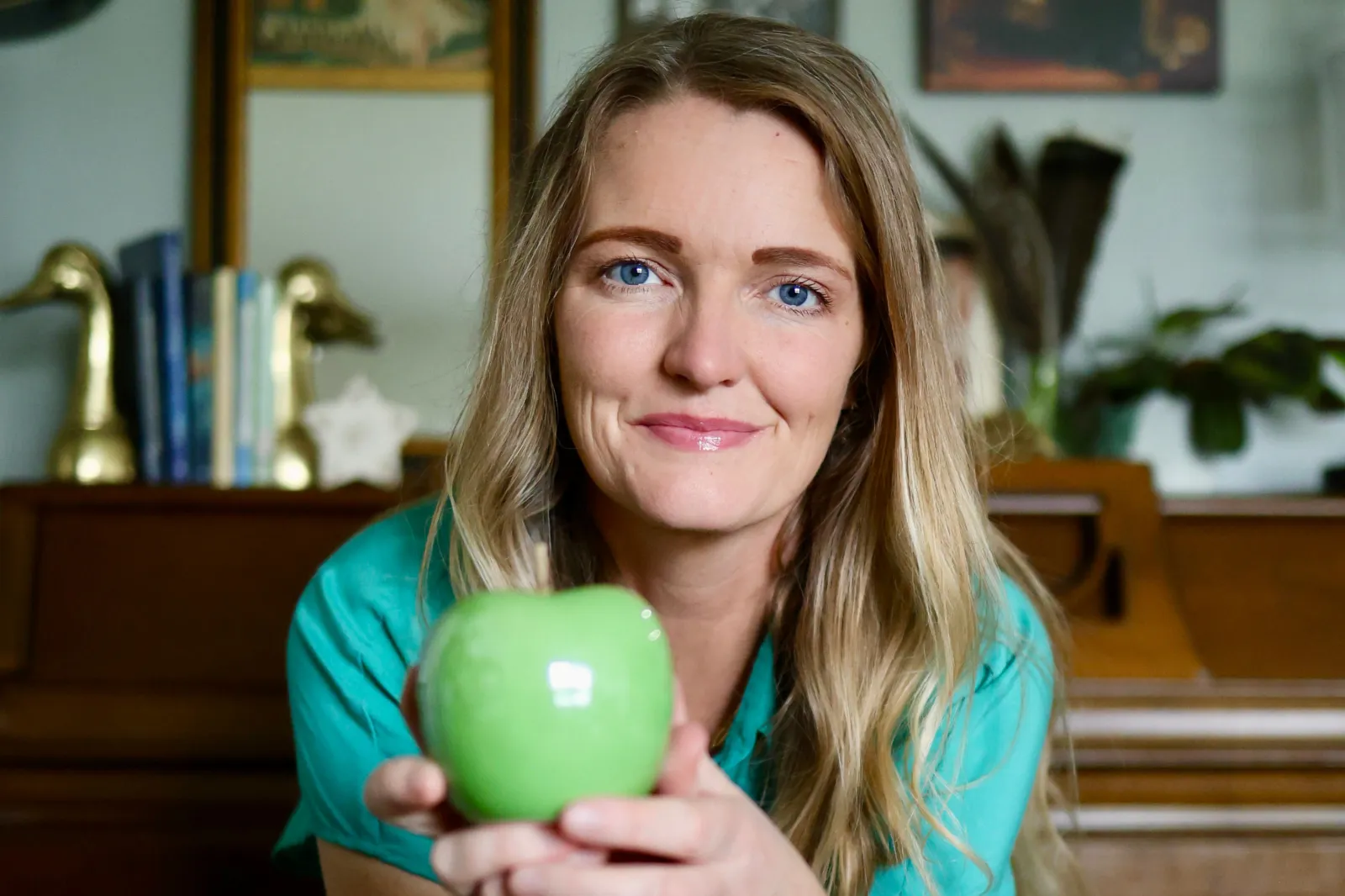
The color also carried symbolic meaning for her. “Most people buy red apples because they are sweet,” Newman said. “Green apples tend to be a little bit more work, a little bit more tender care to make sweet.”
While the idea may sound unconventional, child development experts say symbolic “signal” tools can help children feel safer during difficult conversations.
“The child knows what to expect from the parent, and the parent knows what the child is signaling, therefore taking any anxiety-ridden guesswork out of a moment that can feel super charged for everyone involved,” Kaitlynn Blyth, a family life educator and founder of Happy Day Play Family Learning, told Newsweek.
Why Children Lie to Their Parents
Experts say lying during childhood is extremely common.
Research has shown many children begin lying at an early age, often as a response to fear or social pressure rather than malicious intent.
Blyth said fear is usually at the center of it.
“Most kids will lie to their parents at some point,” she said. “A lot of the time, it’s because they’re scared of getting in trouble, disappointing their parents or losing privileges. Lying is primarily a coping strategy and not a horrific character flaw.”
How Parents Accidentally Teach Kids to Hide Things
Experts say one of the biggest parenting mistakes is reacting to dishonesty with overwhelming anger or shame.
“Honesty is not a valued behavior when disclosure and deception are treated identically,” said Alexandra Foglia, a doctor of marriage and family therapy and director of family programs at All In Solutions.
“If honesty leads to humiliation or disproportionate punishment, children are essentially incentivized to conceal or lie in order to avoid those negative outcomes,” she added.
Separating conversations about honesty from consequences can help encourage children to be more truthful.
Foglia explained that, while children may still face consequences for their actions, parents should respond differently when a child comes forward first.
“An example would be saying something like, ‘Great job letting me know. We’ll take care of the problem together,’” Foglia said. “This type of response teaches the child that being honest is a good thing.”
The Parenting Trick Designed to Make Honesty Easier
The green glass apple is what experts call a “signal object”—a physical cue children can use when they feel overwhelmed or afraid to speak directly.
“These kinds of strategies can be supported using relatively simple tools like signal objects and code words,” Foglia said.
“They create a buffer zone from the emotional intensity of having to talk about something very difficult.”
Blyth said many families use similar approaches, including:
- Worry boxes where children can leave notes or drawings
- Journals for older children more comfortable expressing themselves in writing
- Repeating phrases like “thank you for telling me”
- Car conversations, which can feel less confrontational for teens
The most important factor, Blyth said, is consistency.
“Honesty is a family culture thing,” she said. “Your children watch how you handle mistakes, how you respond when their siblings mess up and whether you apologize when you’re wrong.
“Trust gets built in tons of small moments long before the big ones show up.”
Newman said she still remembers the first time one of her children nervously brought her the apple.
“It was a parenting and connecting win and I was beyond proud,” she said.
“Even as my children grow older, I am so proud of them. It became an indicator of how they were learning to build their internal compass.”
Read the full article here


