



Cameras on glasses have not been having a very good summer. The ongoing privacy concerns about Meta’s smart glasses have led to a reputation hit on the whole category, it seems, right as Google and Samsung are ready to launch their own versions of a similar idea. But more AI glasses are incoming, HTC’s new Vive Eagle among them. Previously available in Asia, they’re now on sale globally. In the US, they’re $499 and come in a range of colors and styles.
I‘ve been trying a pair of the camera-equipped AI glasses at home, minus the prescription lenses. It’s been a lot of squinting, but what I’ve really been curious about is how their camera and audio functions work compared to Meta’s. For the most part, the answer is similar: boomy music playback, comparable microphone quality for calls and serviceable 12MP wide-angle photos and videos that fall short of smartphone quality. However, HTC’s Ray-Ban–style glasses have a battery-boosting trick up their sleeve — one that could eventually make its way to Meta’s glasses.
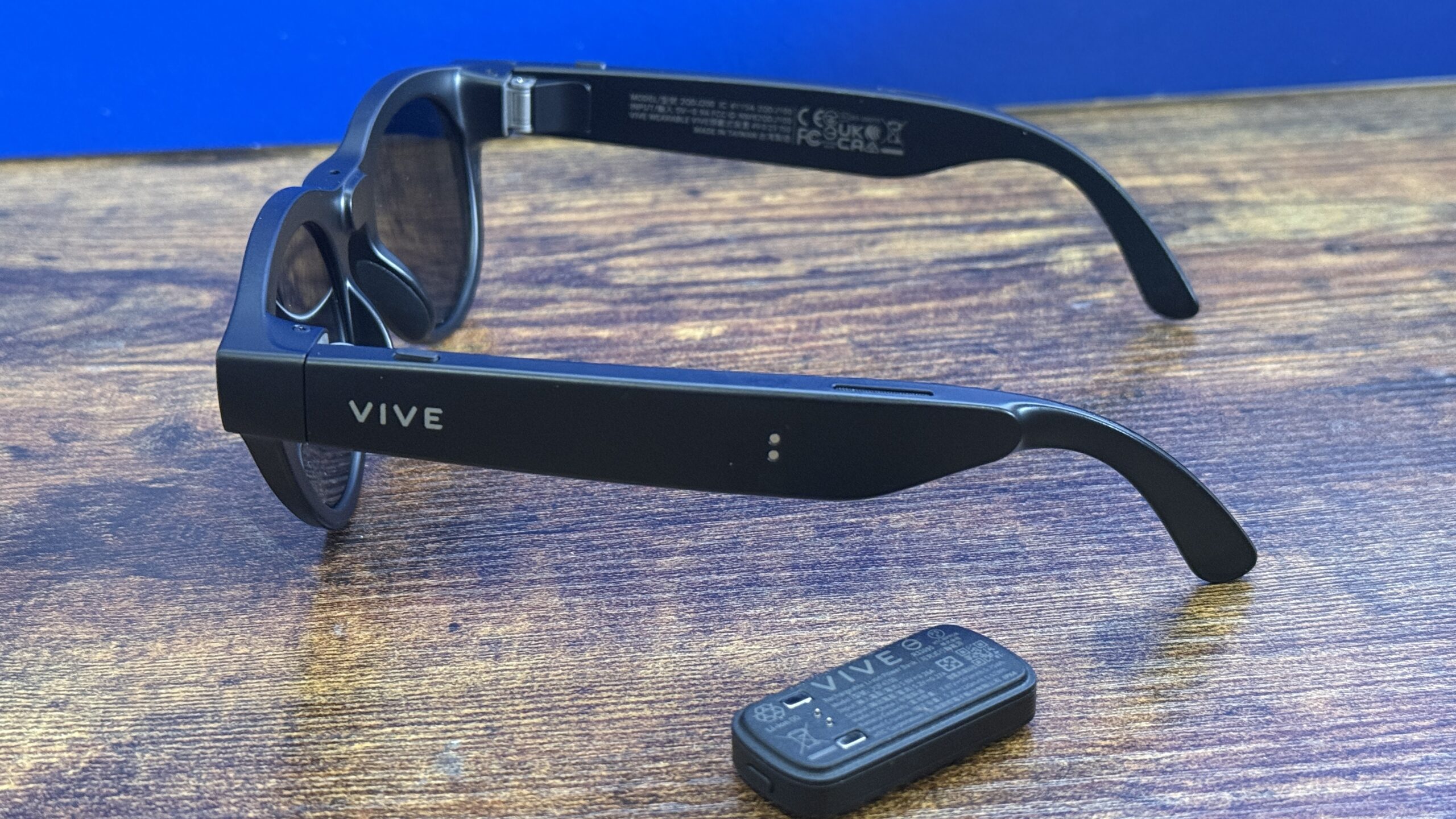
A separately sold $49 magnetic Power Boost battery pack — about the width of my thumb and half its length — snaps onto charging pins on one arm of the glasses, providing an instant boost when the built-in battery runs low after roughly four to five hours. By contrast, Meta’s glasses last four to eight hours per charge but must be removed and placed in their case to recharge.
This means you could keep HTC’s glasses running without taking them off, removing the battery pack to recharge it or swapping in extras — if you’re willing to buy them. In theory, you could use the AI and capture photos and videos almost continuously. Still, I’d worry about accidentally knocking off the magnetically attached battery pack.

HTC’s glasses features aren’t as smooth as Meta’s, but the audio and microphones sound equivalent for phone calls and music. The AI service is powered by Google Gemini or OpenAI models, either of which can be selected in the glasses app. But it’s not the same as using actual Gemini or ChatGPT: Much like Rokid’s AI glasses, HTC is building its own AI chatbot that uses those models, and these glasses can’t tap into your own Gemini or ChatGPT accounts. (I had to use an HTC Vive account to connect to the glasses and HTC’s app.) The Vive Eagle glasses can also do live translation in 90 languages, but like all AI glasses, your phone’s app needs to be nearby and recently opened.
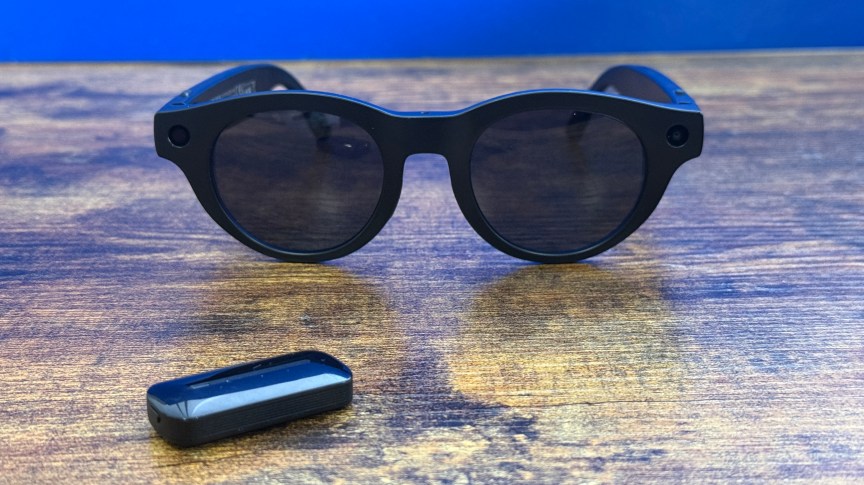
The build quality of HTC’s glasses seems sturdy enough, albeit thick and generic, like a knockoff pair of Ray-Bans. And they don’t do anything any differently, really, than what Meta already does (although you can skip connecting to Meta with these). There are privacy promises, with recording being blocked if the LED light indicator on the frame is covered (something Meta’s glasses just added an update to ensure), and photos and videos are kept locally on your phone and not shared to HTC’s cloud.
Also, these need a subscription, which costs $3 a month, but HTC includes two years of the service with the purchase of the glasses. I find the idea of subscription-required wearables disturbing, but it’s a growing trend, and I expect other companies are going to start imposing subscriptions more, too.
The most interesting thing, really, is the battery pack. And, as companies keep trying to find ways to make smart glasses and AI wearables do more always-on processing, battery solutions like this could pop up in more places.


See full bio
Read the full article here


