



Three people have died and at least three others have fallen ill in what the World Health Organization (WHO) told the Associated Press Sunday is a suspected hantavirus outbreak aboard a cruise ship traveling across the Atlantic Ocean.
WHO said one infection has already been confirmed and a broader investigation is underway as health authorities race to contain the cluster.
Hantavirus infections are rare but can be severe, often leading to acute respiratory distress and, in some cases, death. Outbreaks linked to cruise ships are especially concerning because of the close quarters and shared ventilation among passengers.
The suspected cluster also raises questions about rodent exposure aboard vessels and the challenges of managing infectious‑disease emergencies at sea. With global cruise travel rebounding, health officials say even isolated outbreaks can have far‑reaching implications for surveillance, evacuation protocols, and international coordination.
Newsweek reached out to Oceanwide-Expeditions by email Sunday for comment.
What to Know
WHO said at least one patient remains in intensive care at a South African hospital, and two additional passengers with symptoms are being prepared for medical evacuation. The agency said it is conducting laboratory testing, sequencing the virus, and working with national authorities to trace potential exposures.
The organization did not identify the vessel, but South African media reports have linked the cases to the MV Hondius, which had been sailing from Argentina toward Cape Verde.
MarineTraffic, a global ship‑tracking platform, listed the Dutch‑flagged cruise ship as docked in Praia, Cape Verde’s capital, on Sunday night, according to the AP.
South African health officials told local outlets the first victim, an elderly man, died aboard the ship, and his wife later died after being transferred to a hospital. A third passenger also died after developing symptoms consistent with hantavirus, according to those reports.
What Is Hantavirus?
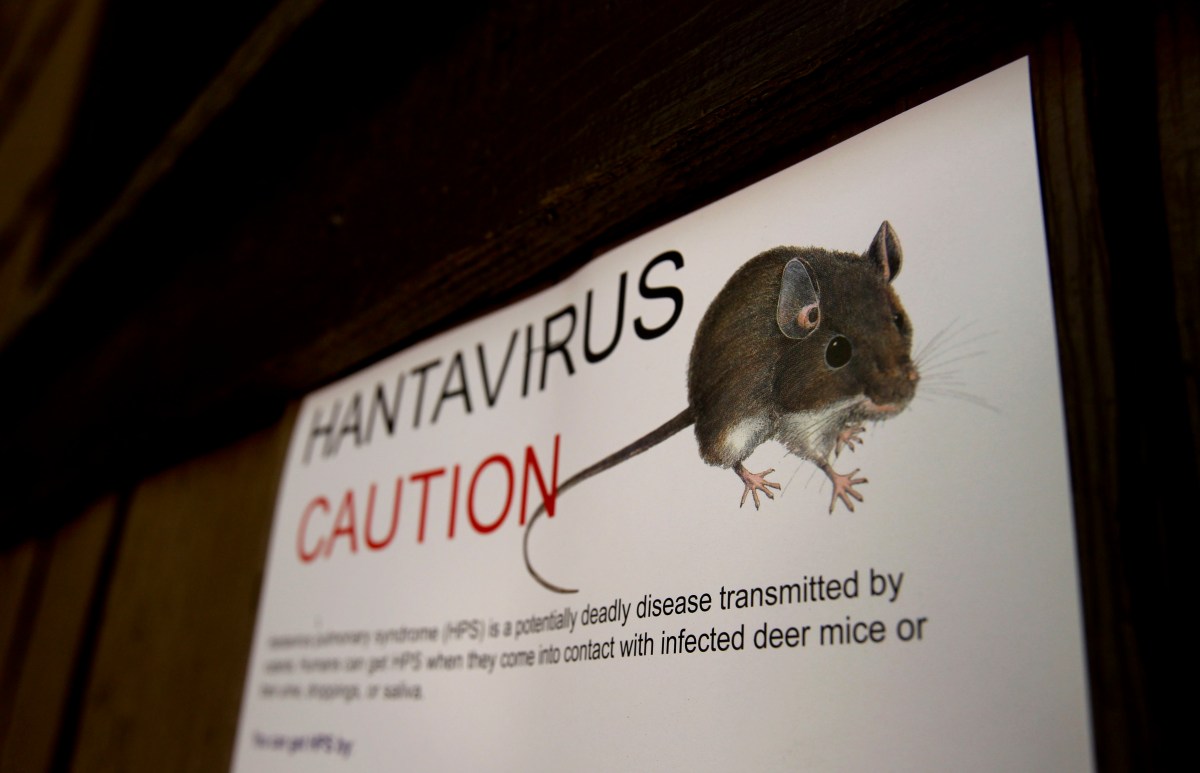
Hantavirus is typically spread through contact with the urine or feces of infected rodents—most often rats or mice—though WHO noted that limited person‑to‑person transmission has been documented in some outbreaks.
Hantavirus usually starts with sudden fever, severe fatigue, and muscle aches, often followed by headaches, nausea, or abdominal pain. As it progresses, some people develop coughing and shortness of breath as fluid builds in the lungs.
Because symptoms can worsen quickly, especially the breathing problems, it’s important to seek medical care right away if someone may have been exposed.
Hantavirus drew international attention last year after Betsy Arakawa, the wife of actor Gene Hackman, died from the infection in New Mexico. Hackman died a week later.
What Happens Next
WHO said epidemiological investigations are ongoing, including efforts to determine how the virus was introduced onto the ship and whether additional passengers or crew may have been exposed.
Health authorities in South Africa and Cape Verde are coordinating with the cruise operator to assess risks, monitor passengers, and ensure medical care for those who remain aboard.
Officials say more testing is expected in the coming days, and sequencing results may help determine the strain involved—a key step in understanding how the outbreak began and whether it poses a broader public‑health threat.
The ship’s future itinerary remains unclear as authorities evaluate whether it can safely continue sailing.
Read the full article here


