



POWER OUTAGES, FIRES
Chiharu Hara, a 35-year-old recruitment agent who was in Kumamoto, told AFP that she was “terrified” when the quake struck.
“The office swayed violently side to side. I was afraid it would collapse. Everyone panicked,” Hara said.
Footage verified by AFP showed heavy vehicles, street lights and traffic lights swaying. Elsewhere, vehicles on a two-lane road in the province were seen carefully navigating sections of buckled pavement.
Many roads were closed and high-speed shinkansen train services were suspended in the region affected by Tuesday’s quake. Kumamoto airport was closed for several hours before re-opening in the evening.
Two hospitals reported taking in at least 50 injured patients each, it said.
“People are coming in with burns and fractures from being trapped under objects due to the earthquake, and ambulances are constantly bringing in injured people,” NHK quoted one hospital employee as saying.
“Inside the hospital, there are water leaks and electrical system failures.”
The broadcaster also said that around 10 people were hurt at a nursing home for the elderly.
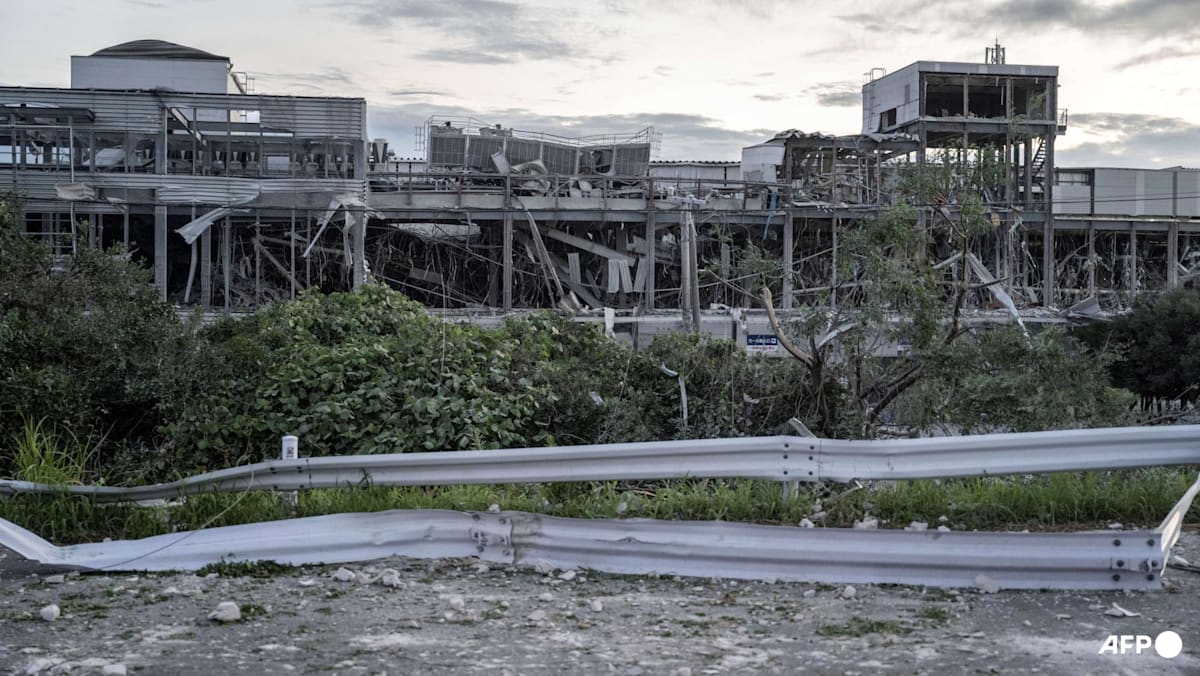
“Human casualties, building collapses, road damage, fires … have been confirmed so far,” Prime Minister Sanae Takaichi said on X, adding there were also “water and power outages”.
The Japanese military has mobilised 3,600 personnel for disaster relief operations and sent 20 aircraft to assess the damage from the air, the defence minister said.
Verified footage shared on social media showed parts of a wall at the centuries-old Kumamoto Castle collapsing.
No immediate abnormalities were recorded at nuclear power plants, the Nuclear Regulation Authority said.
About 45,000 households and facilities had no power in the Kumamoto region, according to local utility Kyushu Electric Power.
The firm said three nuclear reactors operating in the region at the time were functioning normally.
Read the full article here


