



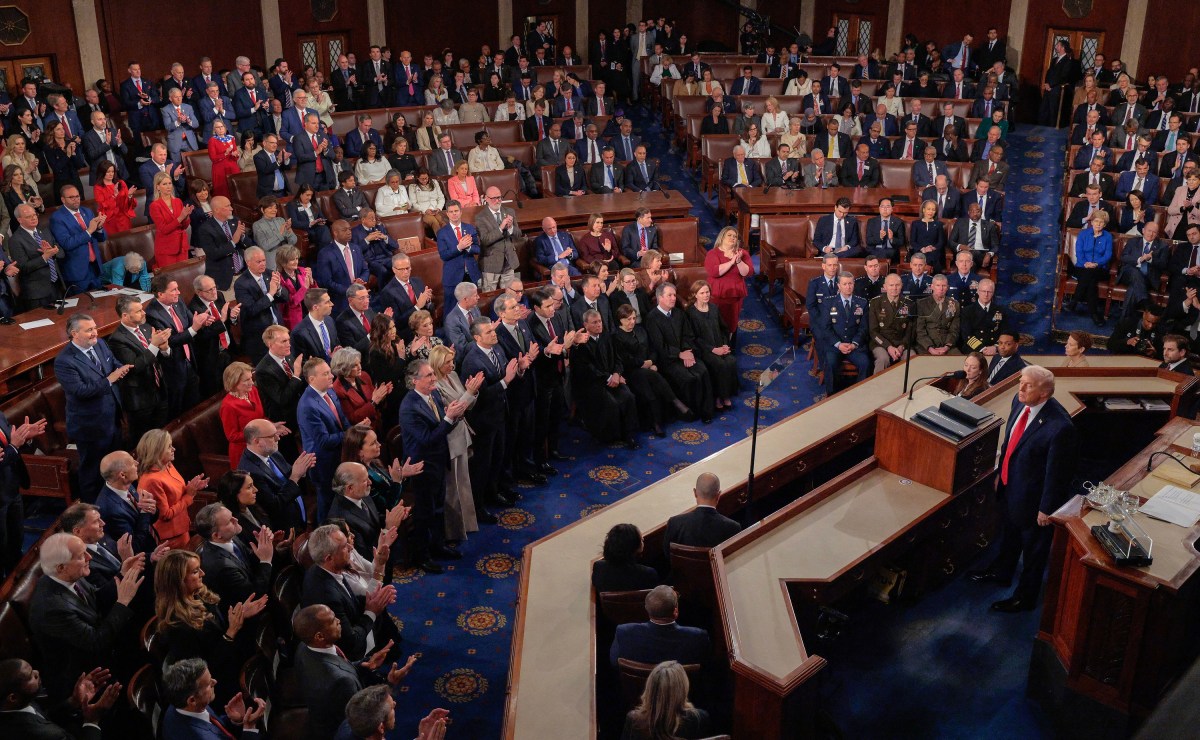
A resurfaced clip of House Speaker Mike Johnson’s comments on congressional pay has ignited debate over how far a congressman’s salary actually goes in the United States.
The clip of Johnson’s remarks, spoken in May 2025 at the Capitol while discussing a potential ban on congressional stock trading, went viral recently on social media amid a Senate vote on Thursday to block senator compensation during government shutdowns.
Johnson noted last May that congressmembers’ salaries have been frozen since 2009 and, adjusted for inflation, a lawmaker today effectively earns far less than they did that year. He also said he had “sympathy” for arguments that stock trading helps lawmakers “take care of their family,” but Johnson ultimately supported banning the practice.
With the median household income in the U.S. reported to be $83,730 in 2024, a congressional salary of $174,000 would allow a comfortable lifestyle for the average American, including homeownership and savings.
What a Congressional Salary Looks Like After Taxes
The current base salary for members of Congress is $174,000, according to the Office of the Clerk of the House of Representatives. Senior leadership earns more, with the speaker receiving $223,500 and party leaders $193,400.
The Internal Revenue Service (IRS) explains that the U.S. uses progressive tax brackets, meaning higher rates apply only to the portion of income in higher brackets—not the entire income. Applying federal income tax plus payroll taxes only (as state/local taxes vary), one working example based on U.S. federal tax rates in 2024 shows that a $174,000 gross salary can yield approximately:
- Annual net pay: $129,725.31
- Monthly net pay: $10,810.44
- Weekly net pay: $2,494.72
What Housing Can You Afford on a Congressional Salary?
Financial guidance typically recommends spending no more than around 30 percent of income on housing. This would suggest that a $174,000 salary would allow a monthly net housing budget of around $3,243 per month. At that level, an average American household could afford to buy a home or rent a two-bedroom apartment.
Owning a Home
A mortgage on a home priced roughly from $430,000 to $550,000, based on a 20 percent down payment, a 30-year fixed interest rate of 6.36 percent, according to Freddie Mac, and depending on local property taxes and home insurance fees, which vary by state, ranging from around $834 to $6,274 per year.
A rough monthly cost breakdown for a home priced at around $505,000 on a $3,243 per month housing budget could look like:
- Principal and interest payment: around $2,517 (based on Freddie Mac’s 6.36 percent rate)
- Property taxes: around $379 (based on ATTOM’s reported national effective property tax rate of 0.9 percent)
- Homeowners insurance: around $347 (based on the reported average annual premium rate of $2,470 for a home priced at $300,000).
Renting
With a $3,243 monthly housing budget, the average American could rent a two-bedroom apartment or possibly a larger place, with the median rent price for two-bedrooms reported to be $1,895, according to Zumper’s National Rent Index, as of April. The salary could also afford you a one-bedroom apartment in major cities such as Boston, Miami, Washington, D.C., and Chicago, according to the index.
Average American Spending Budget
The Bureau of Labor Statistics (BLS) reports that, in 2024, the average consumer unit spent:
- $26,266/year on housing (around $2,189/month)
- $13,318/year on transportation (around $1,110/month)
- $10,169/year on food (around $847/month)
The above three expenses total about $4,146 per month. Putting those average expenses next to the monthly congressional take-home pay cited earlier of around $10,810, that would leave the average American roughly $6,731 a month for all other costs, such as healthcare, utilities, childcare, debt payments, savings, and entertainment.
How Salary Compares to the Average American
A congressmember’s salary far exceeds median U.S. household income, which is around $83,730, as of 2024, according to the U.S. Census Bureau. That means members of Congress earn more than double the income of an average U.S. household.
Johnson argued last year that the cost of maintaining two residences (one in Washington, D.C., and one in their home state), as well as extensive travel, and the lack of pay increases, make it financially difficult for some congressmembers, particularly those without independent wealth.
He warned that “over time, if you stay on this trajectory, you’re going to have less qualified people who are willing to make the extreme sacrifice to run for Congress.”
The resurfaced remarks by Johnson sparked debate among social media users, such as @hereiseeheresy, who noted how the average American household income is much less than the base congressional salary, claiming that the majority of Americans “cannot cover a $1,000 emergency.”
Threads user @marcverity said: “I wish that was my compensation package. I’d sell my stocks in a heartbeat.”
Another user on Threads said @cv_on_meta: “I have no problem with legislators being well compensated…But claiming that $174K are poverty wages…is appalling.”


Read the full article here


