



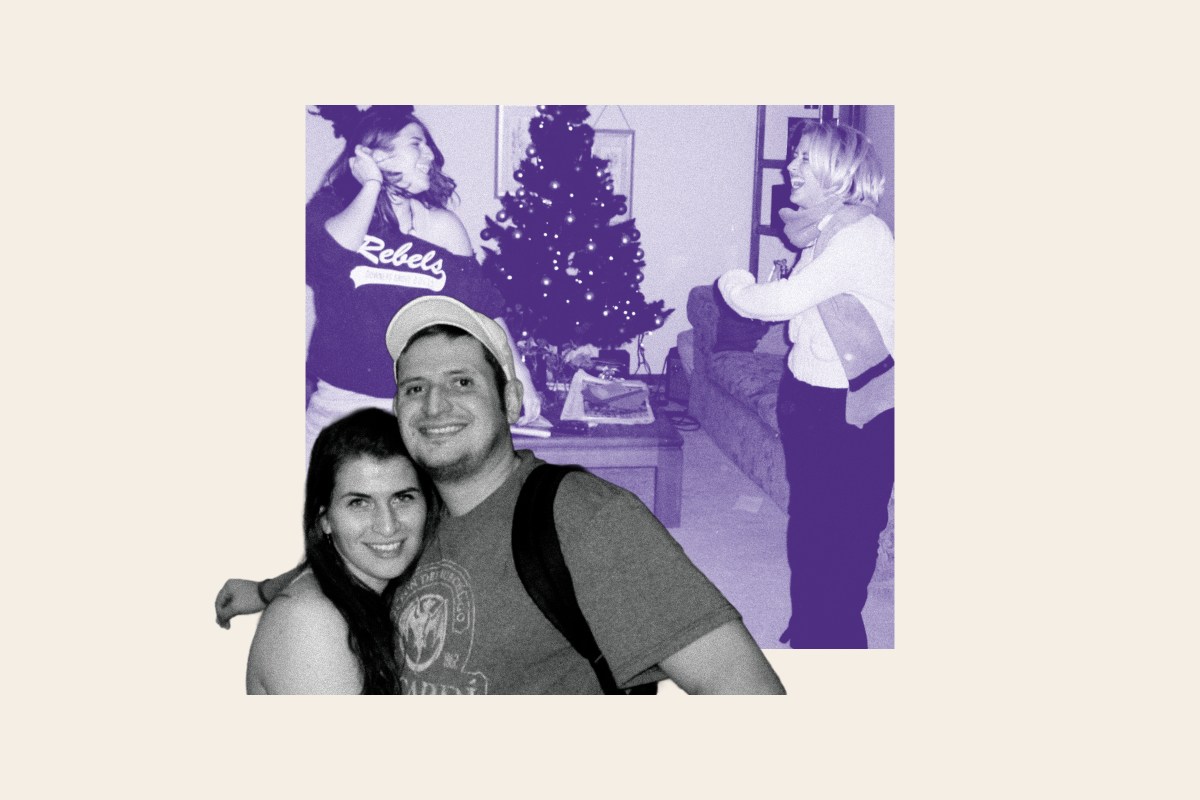
I’ve worked in emergency medicine for well over a decade. First as a paramedic, then as an ER nurse. It’s been a career that’s brought me great satisfaction, helping others on what could be considered their worst day. Car accidents, heart attacks, strokes and the occasional case of appendicitis. There are wonderful days, the ones where we get to work as a team to save a life. We get to laugh with our patients and offer them peace of mind when they are stressed or scared.
There are also days that are hard but necessary. Because the emergency room is also a place that requires close proximity to death and dying.
It wasn’t easy at first, helping physicians deliver the news that loved ones couldn’t be saved despite our best efforts. Listening to the unforgettable cries and assisting with the emotional fallout. Early on, my ability to sit with others in their time of grief was very much perfected. Because at the age of 23, I had already lost my sister.
That call was something I’ll never forget. Being told my sister was lying in an intensive care unit, revived after an intentional overdose. That her organs were shutting down, and if she didn’t make a turn for the better in the night, the outcome would be grim. I was only a student back then, but I didn’t need more information to understand what was coming. She died the next morning.
The news was a sigh of relief that suffering was done, joined with the merciless ache that comes along with loss when it happens far too early. When that door to the potential future gets permanently closed.
Navigating that trauma changed many things about me: most memorably, my ability to genuinely understand the loss my patients experienced. After my own sorrow lessened, I knew comforting others after death was more than a job to me; it was a calling. After all, my sister had been a nurse too. What better way to honor her than by continuing her legacy with compassion and empathy?

There are two distinct types of death. The kind that is anticipated, like the passing of a grandparent when they reach their older years. It doesn’t soften the blow, but it’s a part of life, and we accept it as an inevitability.
Then there are losses that are completely unexpected. The ones that come with a side of tragedy as you are thrown into grief, chosen for whatever reason to either remain in a wounded state or fight to repair and mend.
Ten years after my sister passed, when I thought my healing was done and that I was so close to getting back to normal, tragedy found me a second time. I lost again.
My older brother took his life in 2024, in nearly identical fashion to my sister. Addiction gripped them both so tightly in the end that no doctors or specialized medical facilities could bring them back to the idolized siblings I grew up with.
This loss was much harder to accept. My brother was the one person I thought could never falter. Not after losing our sister and healing together. But he did falter, and fell hard. He fought his own addictions in secret, so much so that to everyone looking on the outside, he was thriving. He had a house, a steady job and a beautiful family. But still, another life-changing phone call came my way.
I remember sitting down to dinner with my husband and two young sons, laughing one minute, then drowning the next. My favorite person was gone, and I was left to repeat the journey of grief again. But this time, the person who supported me the most was the one who left. After one phone call, I was the last remaining child in my immediate family.

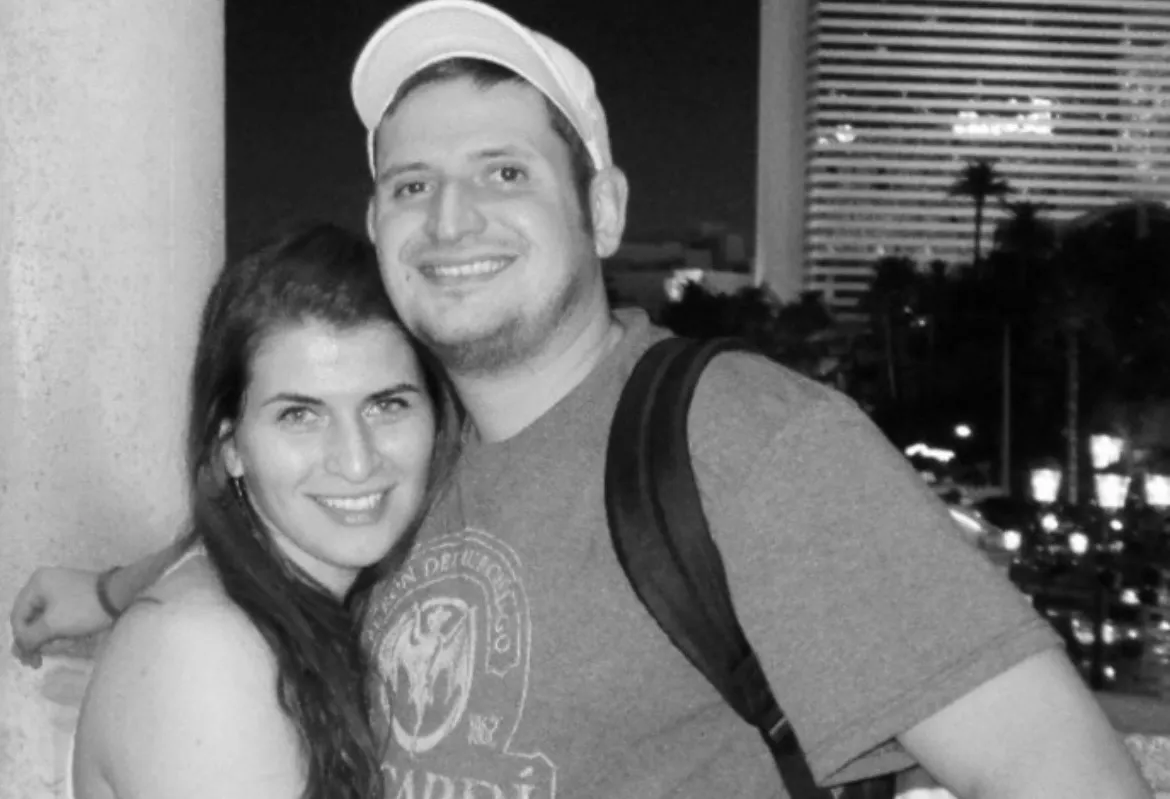
Of course, there was support of many kinds. I’ll always be grateful for that. For the friends who grounded me, for my family. But I was older now, a mother, a wife. The grief felt different. The loss felt more difficult to manage behind closed doors.
It was the most numb I had ever felt. How was it possible to suffer the same tragedy not once, but twice in a lifetime? As I quietly navigated the emotional fallout, I remember a coworker saying, “I’m worried about you.” I was worried about myself, too.
My own light was dwindling as I woke up every day, surviving until it was time for bed. I wasn’t living at all. I spent years thinking I was immune to the emotional weight death brings, until one day I just wasn’t anymore. Two very far-apart events left my typically energetic spirit very shattered.
How does one begin to navigate that? How do you recover and get back to the person you were before?
It’s a trick question. You never get back to before.
I tried taking my own advice. I did what I told others to do when faced with that deafening silence that is grief. I filled the empty space—the void—with friends, outings and keeping my toddlers busy with activities. I stayed the fun mom, and kept the family on track without facing the inner battle because, as a working mom, who has the time to put yourself first?
But after my kids’ bedtime routine, on the nights my husband was working overnight at the firehouse, I found myself alone. Forced to sit in that silence. Sometimes I cried, reminiscing through photographs and videos that could never be duplicated with those unique voices ever again. I cried alone in the shower, alone in the car. Hiding the discomfort and haunting questions burrowing in my head.
Why did they leave? Had I not done enough to help?
Where were the signs? I’m a nurse; I should have seen them.
Why wasn’t it me who struggled? Why was I never impacted by that addictive itch when they were both so clearly burdened?
And the worst one of all: Why couldn’t I save them?
Months passed, and I couldn’t find a way out. Despite therapy and my two beautiful children blessing me every day, the questions wouldn’t stop.
I thought about how unfair it was to never see my siblings’ futures play out. That I would never raise kids with them, smiling at them, congratulating each other on the good job we’ve done as parents. The loss wasn’t just mine: My kids would never get to know the fun-loving, hilarious versions of their aunt and uncle that I had known and loved.
After a few months of that numbness, I started to write. Not a memoir or a biography, but something that made me dive deep into that pain and hold it close to my chest. I wrote The Bone Dagger, a dark fantasy novel layered with grief, loss and betrayal. But at the peak of all of that, the most prominent theme is hope.

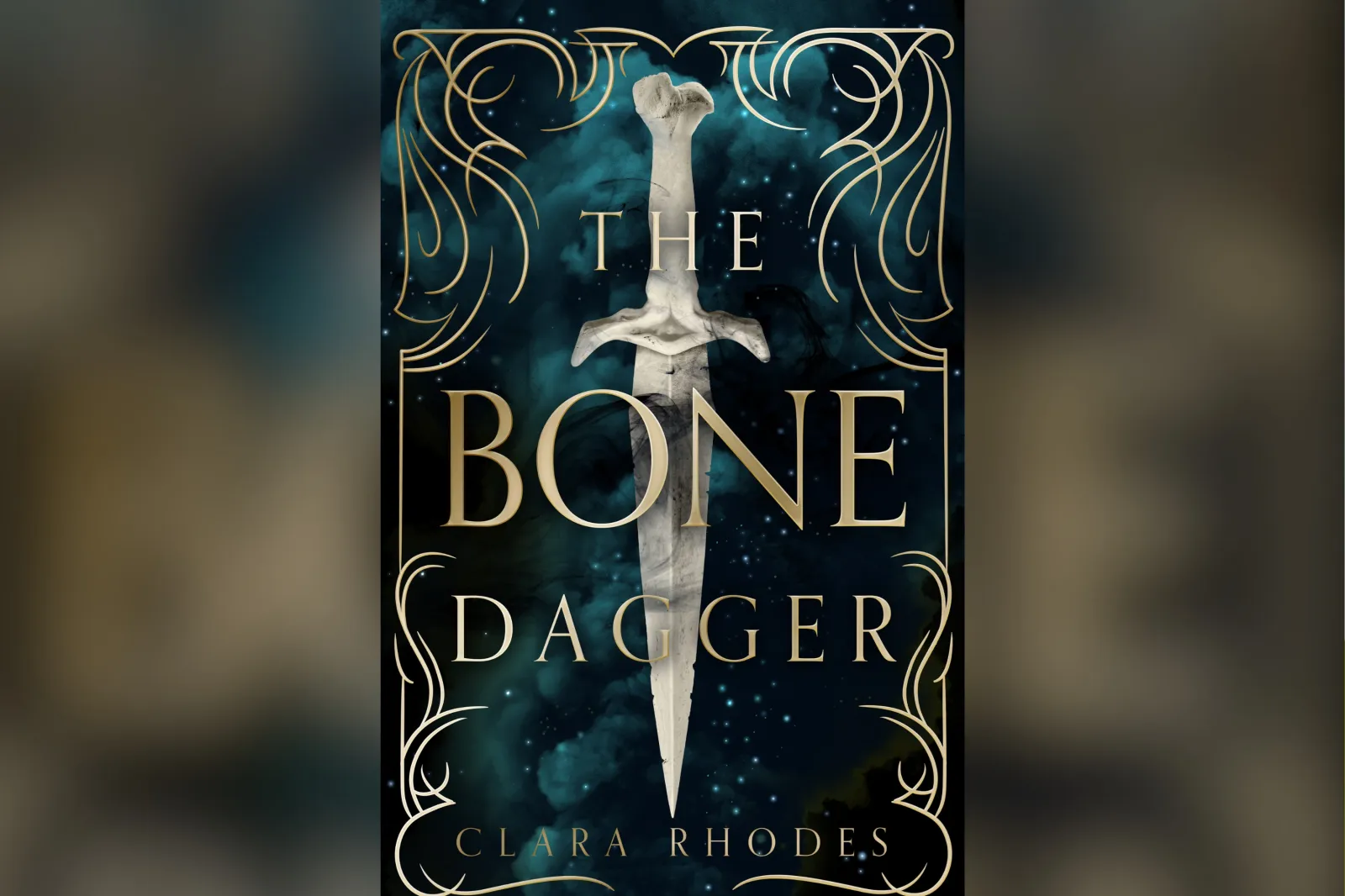
I chose to share my work as a way to come to terms with the sadness I will always carry, with the intention of building connections with others going through the same. To let others know they are never alone in this journey.
Looking back, I found grief isn’t some inspiring story to be told. It’s not uplifting; it’s messy and violent. It attacks at will, choosing to strike when you haven’t seen it for a while. It’s sobbing alone, while smiling in public. Wishing you could have saved them for just one more day.
It’s realizing a constant part of you will always be a little bit empty, a little bit fragile. Sometimes we mask it with humor or busy schedules. But grief will always be there. I see it in the family members of my patients, and I see it every day when I look in the mirror.
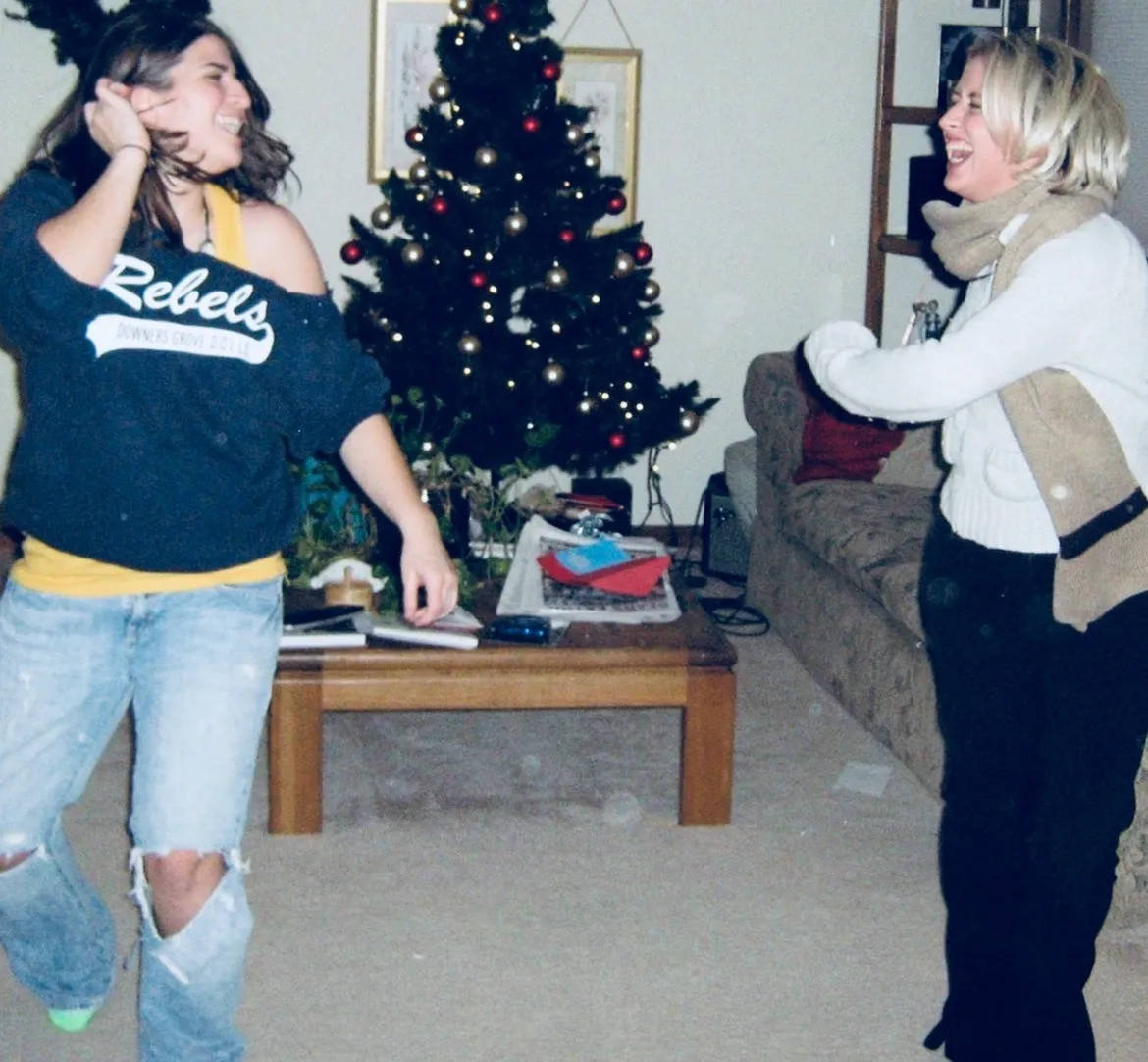
My brother and sister were so much more than addiction. More than suicide. They were dancing to David Bowie’s greatest hits on Christmas Eve. They were karaoke nights at dive bars, shouting “Faithfully” by Journey at the top of our lungs. They were late-night talks about daily struggles, belly laughs and protective moments. They were advice that sometimes felt hurtful, but it was always the truth you needed to hear. In the end, that’s what I remember.
So, what advice do I offer to those navigating the same?
Don’t treat grief as a burden. It’s a badge of honor. It will hurt, visualizing that imaginary door slamming in your face, never granting access to the future that could have been. But all the times before, the memories, the photographs, the laughs—those could never be a burden. That kind of life could never be a loss. Those moments were, and always will be, the sweetest gain.
Long before grief, love lived first.
Clara Rhodes is an ER nurse working in the suburbs of Chicago, and author of The Bone Dagger, out July 21, 2026.
All views expressed in this article are the author’s own.
Do you have a personal essay you want to share with Newsweek? Send your story to MyTurn@newsweek.com.
Read the full article here


