



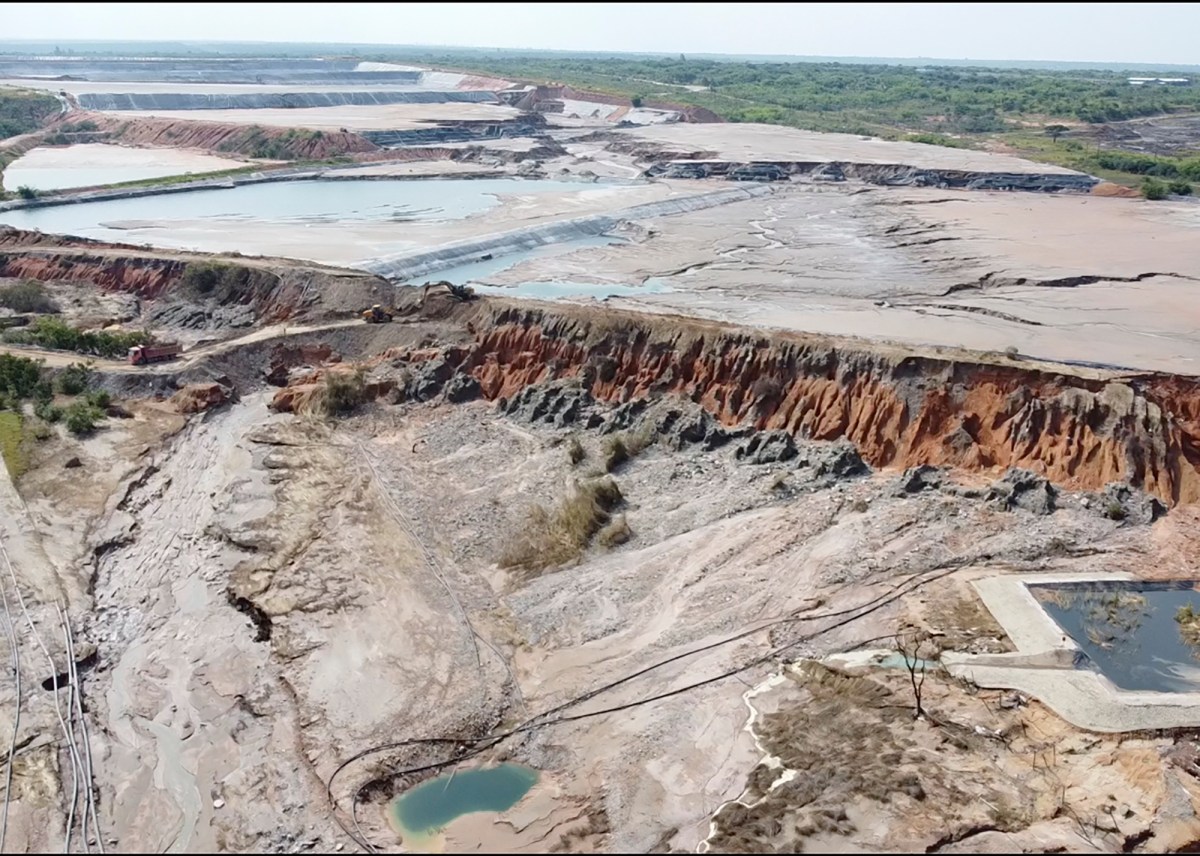
Illegal mining is increasing at a staggering pace with significant environmental consequences. It represents the fourth-largest driver of deforestation globally and is growing fast, with over 35 percent of mining-related deforestation occurring in just the past five years. Its impacts go well beyond deforestation to include contamination from mercury and cyanide, toxic chemicals that pollute rivers and endanger human health.
While progress has been made to track the devastating environmental impacts of illegal mining, much less is known about what is occurring financially. Not only does illegal mining generate billions of dollars a year in illicit proceeds, but it also represents a major income source for terrorist organizations. Just as the environmental impacts have spiraled out of control in the past years, so too have the financial impacts. In Peru, for example, illicit proceeds from illegal gold mining nearly tripled from US$4.8 billion in 2024 to US$12 billion in 2025.
While financial transactions at illegal mining sites are often conducted using cash or sometimes crypto, research by the FACT Coalition suggests that by the time the mineral is exported, transactions typically involve formal companies and the use of the financial sector.
For financial institutions, this presents a significant challenge. Even in mining countries, illicit proceeds enter the financial sector late in the game, often once the gold or other mineral has been “laundered” through fake permits or shell companies. The challenges may be even greater for global financial institutions. Mining-related deforestation is highly concentrated, with almost 84% taking place in just 10 countries. Global financial institutions face the challenging task of assessing illicit finance risk across complex, opaque and sprawling supply chains that often originate in remote and distant locations.
A new report by WWF-UK and Themis sheds more light on these challenges. Based on input from over 600 finance professionals from 22 countries worldwide, the report finds that while over 80 percent of financial institutions have exposure to illegal mining risk, 40 percent are not yet taking steps to address it.
Financial institutions can start by recognizing illegal mining as a distinct financial crime risk and embedding it explicitly within AML and risk management frameworks. This should be supported by clear internal policies, defined typologies, and red flags. Financial institutions should also apply enhanced due diligence to clients and transactions connected to high-risk jurisdictions and sectors, particularly those involved in mining, trading, and precious metals. While banks may already conduct general checks on ownership, licenses, and transaction legitimacy, these measures often do not fully capture the complexities of illegal mining. Verifying the true legality of supply chains, especially where documentation may be falsified or operations are informal, requires specialized tools and intelligence. Additional steps include ensuring that transaction monitoring systems address illegal mining risks, strengthening controls in correspondent banking relationships, aligning efforts with broader ESG and climate commitments, and collaborating with other stakeholders to share information and best practices, including through public-private partnerships.
There is also a significant role for governments in providing clearer guidance on these risks. The U.S. financial system is exposed to illegal gold risks, yet the Financial Crimes Enforcement Network (FinCEN) has provided only two paragraphs of guidance on illegal mining in recent years. A 2021 US interagency advisory provided important insights on Africa, but left the US$20+ billion South American illegal gold sector unaddressed. In the UK, illegal gold mining remains underdeveloped in terms of risk and supervisory guidance. The UK National Risk Assessment of Money Laundering and Terrorist Financing acknowledges environmental crime but provides limited granularity on illegal mining or associated financial flows, while FCA expectations remain largely principles-based rather than typology-specific. As a result, UK financial institutions face meaningful exposure, given the UK’s role in global finance and gold markets, but lack clear guidance. At the global level, the Financial Action Task Force’s information on illegal gold is over 10 years old and fails to address key emerging typologies.
The lack of guidance has real impacts. Without clear regulatory signals, illegal mining is often de-prioritized in favor of more established financial crime risks, diverting tools and resources away from the problem. It also drives inconsistent risk treatment. Some financial institutions move ahead in developing controls and expertise, while others lag behind, creating uneven coverage and exploitable gaps in the financial system—particularly given the cross-border and opaque nature of mineral supply chains, and significant correspondent banking risks.
More broadly, weak direction from governments limits the effectiveness of the financial sector as a front line defense. Without clear expectations, institutions are less able to align transaction monitoring, due diligence, and reporting with actual risk exposure. This ultimately allows illicit proceeds from illegal mining to move more easily through the financial system, undermining both financial integrity and environmental protection efforts.
The absence of clear guidance also leads to fewer and lower-quality Suspicious Activity Reports (SARs) related to illegal mining, materially reducing visibility of these flows within the financial system and weakening the overall enforcement response.
The upcoming June 2026 Illicit Finance Summit provides an important opportunity for governments to act. Prioritizing stronger regulatory guidance on illegal mining is not just timely—it is necessary to protect both financial integrity and the planet.
John Dodsworth is the Head of Deforestation Strategy at World Wildlife Fund UK and one of the experts behind the WWF Environmental Crimes Financial Toolkit. Julia Yansura is the Program Director for Environmental Crime and Illicit Finance at the FACT Coalition in Washington, DC., where her work focuses on illegal gold.
Read the full article here


