First Nation chiefs in Atlantic Canada are calling for an urgent meeting with the federal government after two Indigenous men were fatally shot by RCMP officers.
While both cases are being investigated by the Serious Incident Response Team (SiRT) —the independent police oversight agency in Nova Scotia and New Brunswick — the chiefs said in a statement they’re concerned about the process and the “erosion of trust felt by families and communities.”
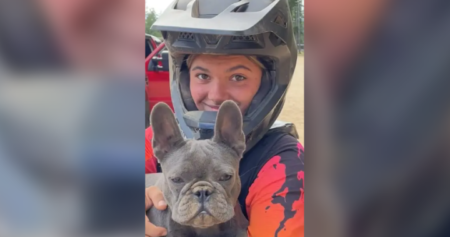
Bronson Paul was shot and killed by officers who responded to what they called a domestic dispute in Neqotkuk First Nation in New Brunswick on Sunday.
In response, the band council closed the RCMP detachment on the First Nation.
Neqotkuk First Nation Chief Ross Perley alleges RCMP did not follow protocol by not involving their council, security and the community’s outreach team when officers responded.
“The actions of the officers were reckless, and a lack of training for knowing how to de-escalate situations,” he said.
Last week, a man from Sipekne’katik First Nation was shot and killed along a highway north of Halifax after RCMP issued a warning to residents in the area about a man with a firearm. He has been identified as Darrell Leo Thomas Augustine by Millbrook First Nation.


Get daily National news
Get the day’s top news, political, economic, and current affairs headlines, delivered to your inbox once a day.
“You know we have our people dying at the hands of people that are supposed to be protecting us,” Woodstock First Nation Chief Timothy Paul told Global News on Thursday.
He’s part of a group representing Mi’kmaq, Wolastoqey, Peskotomuhkati and Innu communities that have asked to meet as soon as possible with federal ministers and senior leadership from the RCMP.
The group says they’re raising concerns about the lack of Indigenous inclusion in the SiRT investigations.
“How can you hear Indigenous voices if they’re not at the table?” said Paul.
El Jones, an assistant professor in the department of Politics, Economics and Canadian Studies at Mount Saint Vincent University, says concerns about SiRT aren’t new.
“There hasn’t been a strong record of holding police accountable at all. Or even particularly comprehensive reports when SiRT is called in,” she said.
In a statement, a spokesperson from SiRT says it is in contact with both First Nations where the men are from and that the team is “committed to working with the community and providing a thorough and impartial investigation.”
“SiRT has appointed a community liaison in Sipekne’katik First Nation and is communicating regularly with the family. We’re working with leadership in Neqotkuk to formally appoint community liaisons,” wrote Khalehla Perrault.
“Community liaisons assist SiRT in removing communication barriers with the investigative team as well as provide cultural, historical and community background advice that will help SiRT interact with and understand the needs of the Affected Party, their family, and community members.
However, Paul says community liaisons are inadequate.
“We need someone who’s directly involved in SiRT, directly involved in the investigations. Liaisons may be a start,” he said.
And he stresses that he and the other chiefs want to meet with RCMP’s senior leadership.
“We have to have those hard discussions and have concrete results as to moving forward on how we’re going to stop the senseless killings of Aboriginal people at the hands of the RCMP,” said Paul.
Read the full article here