






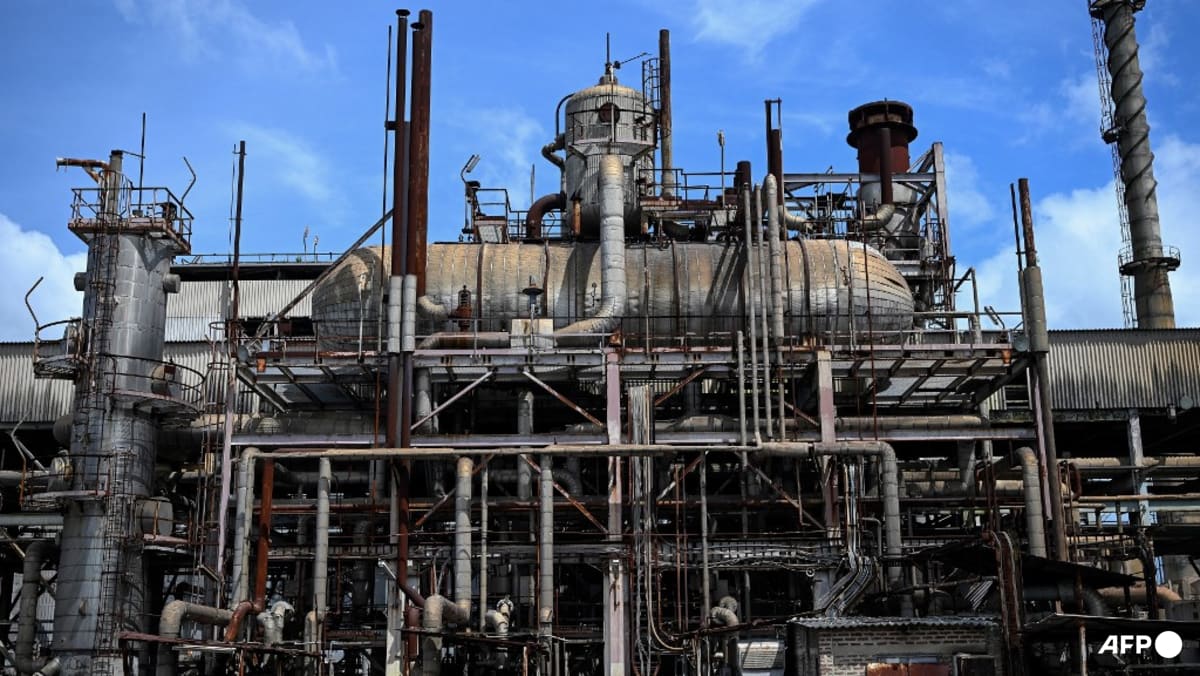
BRAHMANBARIA: The giant structures of Bangladesh’s Ashuganj fertiliser factory have stood silent for more than a year, as a natural gas crisis shuts industries, triggers power cuts and sparks protests over fuel shortages.
Machinery once ran round the clock, using natural gas to produce urea that farmers depended on to grow crops for the country’s 170 million people.
Now the state-owned factory, which once employed more than 1,200 people and produced more than 1,000 tonnes of fertiliser a day, is a rusting shell.
Ashuganj closed in March 2025, with the country battered by a gas shortage sparked by a plunge in production owing to underinvestment in ageing fields and exploration, while the US-Iran war has choked imports from the Middle East.
“Only the skeleton of the factory remains,” said Md Bazlur Rashid, 59, who spent his entire working life at Ashuganj, built near the eastern Titas gas field. “It has lost its life”.
The factory is one of six major urea fertiliser plants that have been forced to close down or restrict operations because of gas shortages.
Trade union leader Md Abu Kawsar said the shutdowns had cost workers their jobs while threatening an industry linked to food security.
“You cannot simply let these factories sit idle and allow them to deteriorate,” he told AFP. “Reviving them could also help save foreign currency.”
But the consequences of the gas shortage extend far beyond fertiliser production.
Hundreds of factories, including textile plants, are cutting production or shutting.
Bangladesh is the world’s second-largest garment exporter, which accounts for about 80 per cent of the country’s export earnings.
At home, domestic piped gas is often cut.
Power plants turning gas into electricity are struggling to meet demand, creating regular blackouts.
The government issued electricity-saving measures in August, including ordering shopping malls to close an hour earlier.
Read the full article here


