



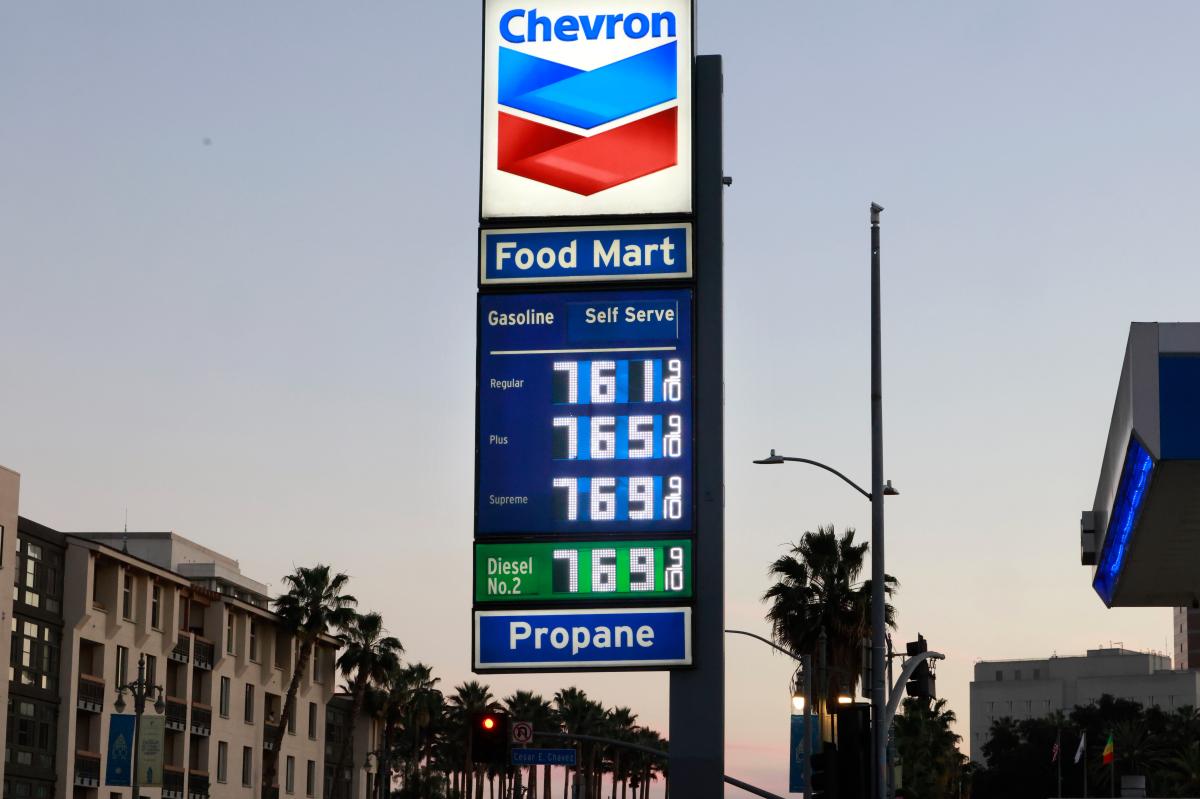
California’s unique, more environmentally friendly gasoline blend is more at risk from global oil turmoil that and could send prices skyrocketing, experts have warned.
Golden State drivers already face the highest gas prices in the country. Now, a combination of reliance on foreign oil, shutting domestic refineries and regulatory changes could make filling up an even more miserable experience.
To meet the state’s strict environmental requirements for reducing smog and other pollutants, California requires a special, cleaner-burning fuel blend known as California Reformulated Gasoline (CaRFG).
This blend is produced mostly by California’s dwindling supply of domestic refineries and select Asian countries—including China, India, Saudi Arabia, Singapore and South Korea—adding an estimated 10 to 15 cents to the cost per gallon.
The ongoing crisis in the Middle East, tensions between China and Taiwan and saber-rattling from North Korea’s dictator Kim Jong-un could create a perfect storm, causing a spike in global and domestic prices.
“There’s one eye on Asia and one eye on the Middle East right now,” University of Southern California associate professor Mike Mische told ABC10.
“Now, you have a major geopolitical event. This is not a little event. This is a big event,” he added, warning that California’s reliance on foreign gas imports was now poses a significant risk.
The state is losing about 20% of its domestic gasoline production due to the recent closure of the Phillips 66 refinery in Los Angeles and Valero’s plan to cease operations at its Benicia facility in April.
“Prices are already high in California because of taxes, but what if you can’t get the products that you need?” Chevron Global Refining president Andy Walz said, pointing out that his company’s Richmond refinery supplies 60% of jet fuel to San Francisco Airport.
California’s seven remaining major refineries—including two Chevron facilities in Richmond and El Segundo—are now warning that newly proposed regulations from the California Air Resources Board (CARB) could further threaten state production.
The regulations aim to meet Gov. Gavin Newsom’s climate policy of zero emissions by 2045.
The new amendments to California’s Cap-and-Invest program would mean fewer permits and higher fees for in-state refineries, while permitting polluters to buy credits.
If carbon allowance prices hit their maximum, gas prices could surge by up to 74 cents per gallon, according to the nonpartisan Legislative Analyst’s Office.
“I do think it’s insensitive, and I also think it’s somewhat irresponsible,” Mische said of CARB’s proposal, which California Democrats have defended.
“An economy reliant on fossil fuels will always be subject to geopolitical tension and price spikes,” California Senate President Pro Tempore Monique Limón told ABC10.
“The conflict in Iran has caused gas prices to rise 11 cents overnight—reaffirming that the state must move towards a transition to clean energy, a goal that Cap and Invest is designed to support,” she added.
Download The California Post App, follow us on social, and subscribe to our newsletters
California Post News: Facebook, Instagram, TikTok, X, YouTube, WhatsApp, LinkedIn
California Post Sports Facebook, Instagram, TikTok, YouTube, X
California Post Opinion
California Post Newsletters: Sign up here!
California Post App: Download here!
Home delivery: Sign up here!
Page Six Hollywood: Sign up here!
Read the full article here


