



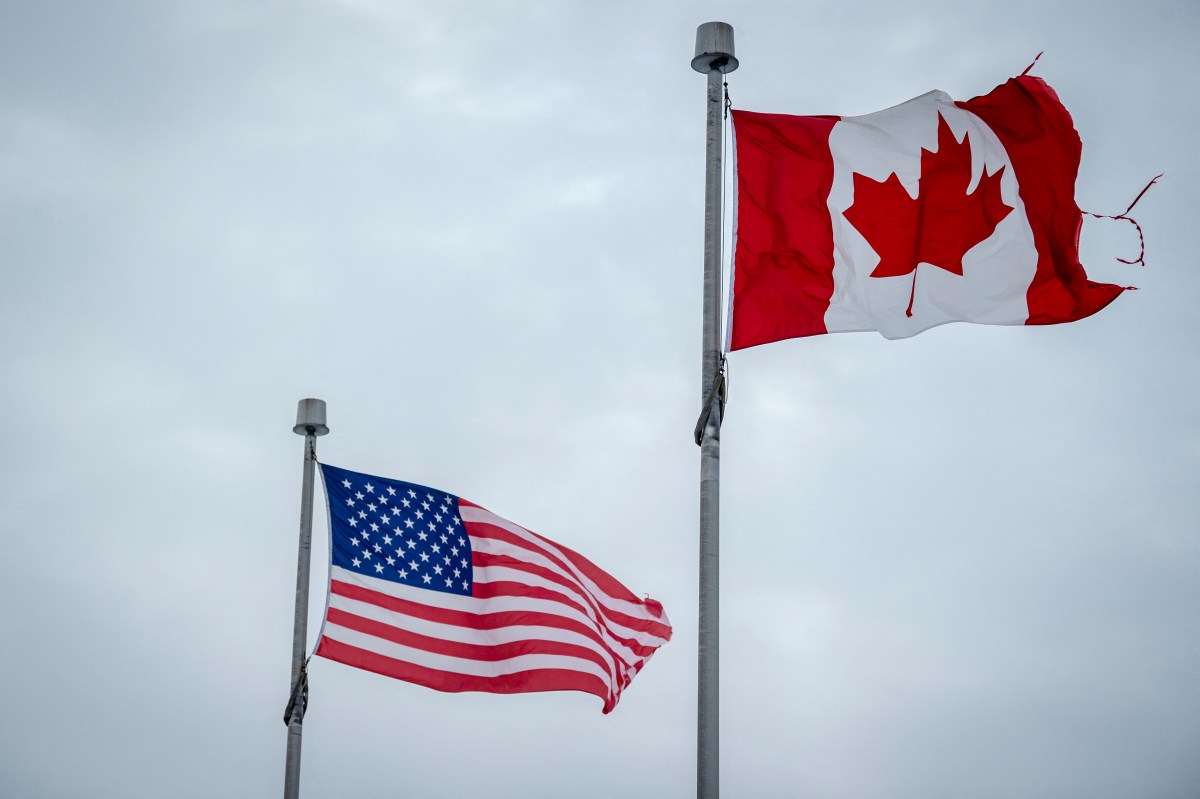
The Canada Border Services Agency (CBSA) will scrap its long-running Remote Area Border Crossing (RABC) Program, a system that has allowed thousands of U.S. travelers to enter through remote northern crossings without reporting to a staffed port of entry.
Why It Matters
The change, set to take effect in September 2026, will replace the permit-based system with a telephone reporting procedure, requiring travelers to check-in with Canadian authorities after entering the country, according to a press release.
As of September 14, 2026, all travellers entering Canada through remote areas of northern Ontario or from the Northwest Angle into southern Manitoba, must report to the CBSA at a port of entry or a designated telephone reporting site.
Under the current permit-based RABC scheme, approved travelers, largely U.S. residents, have been able to enter Canada through specified remote areas without reporting at a staffed port of entry.
What To Know
Under the current program, about 11,000 people use RABC permits annually, with roughly 90 percent of participants being American citizens. The CBSA said the change is intended to enhance border integrity and align reporting processes more closely with U.S. customs procedures.
The affected areas are the Northwest Angle Area, Pigeon River/Lake of the Woods region, the Canadian shore of Lake Superior, Sault Ste. Marie (upper lock system) and Cockburn Island.
After the RABC program ends, travelers entering these areas will need to either report by phone or present themselves at a staffed port of entry.
The location of the new telephone reporting sites will be decided in the coming months in consultation with Indigenous communities, local businesses and law enforcement partners.
The CBSA said in a news release that the transition period is intended to give travelers, local communities, and Indigenous groups time to adjust. Existing permits will remain valid until September 13, 2026. Failure to comply with the new reporting rules could result in enforcement actions under the Customs Act.
Some U.S. lawmakers have raised concerns that ending the program could negatively impact tourism, recreation and small businesses that rely on cross-border traffic. Minnesota Congressman Pete Stauber, North Dakota Senator Kevin Cramer, and Michigan Congressman Jack Bergman sent a letter to the Canadian government regarding the change.
“We are disappointed to learn Canada will be ending the Remote Area Border Crossing (RABC) permit program. As you know, these permits are vital to Americans and Canadians who own property and operate small businesses along our shared border,” the lawmakers wrote.
The move will “more closely align” with how travelers report to U.S. Customs and Border Protection when entering the U.S. in remote areas, the CBSA said.
What People Are Saying
The CBSA told CBC News that the “decision was based on an internal review of the Remote Area Border Crossing Program, which considered security, operational efficiency and the evolving risk environment at Canada’s border.”
Minnesota Congressman Pete Stauber said in a statement. “While I am disappointed that Canada has suspended a program that Americans and Canadians in border communities rely on, I am hopeful that its new remote access program will address the needs of these unique economies.
“I look forward to working with the Canadian government to ensure the security of our shared border while creating an environment for small businesses along the border to thrive.”
What Happens Next
The changes come into effect next year.
Read the full article here


