



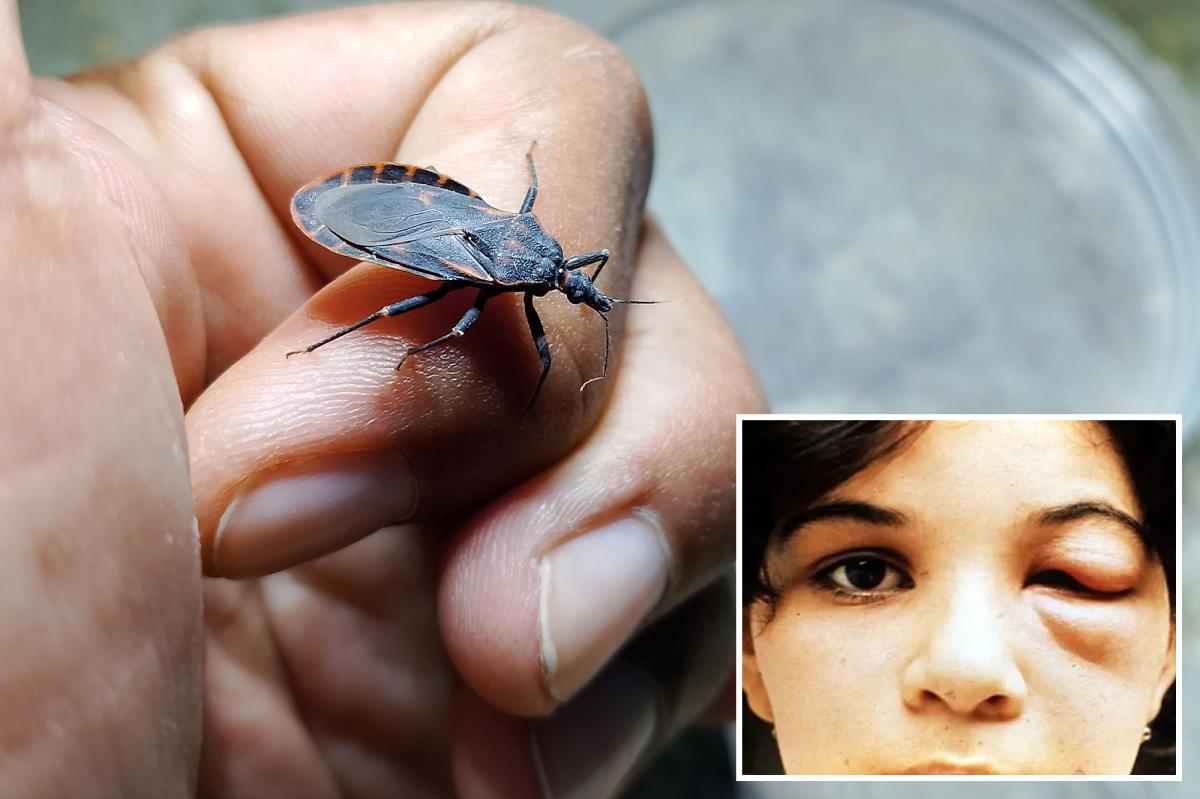
The deadly blood-sucking “kissing bug” has spread to Southern California.
San Diego County reported its first locally acquired case of Chagas disease on Monday.
The bug, officially called triatomines, spreads “flu-like illness with fever, headache, cough, abdominal pain or swelling at the bite site.”
Chagas can also spread to infants during pregnancy, as well as cause serious heart and gastrointestinal complications in those infected years later.
San Diego officials note the disease is usually only seen frequently in Latin America.
“Identifying a locally acquired Chagas case reminds us that this disease is not limited to Latin America,” Dr. Sayone Thihalilopavan, County Public Health Officer, said.
“Our priority is making sure residents, and healthcare providers have the information they need to stay protected.”
Kissing bugs are small, black-and-brown insects called triatomines that feed on the blood of people, pets and wild animals, according to Texas A&M’s Kissing Bugs program.
The pests earned their name because they tend to bite people on the face — especially around the mouth and eyes.
Kissing bugs are common in 21 countries, including Mexico and parts of Central and South America, where they’re considered endemic, meaning they’re always present.
Chagas disease is caused by a parasite called Trypanosoma cruzi, which lives in the guts of about 55% of the kissing bugs in the US.
The pests usually infect people via the poop they leave behind near a bite wound, but it can also be spread via organ donations, blood transfusions or mothers who pass it onto their babies during pregnancy, according to the WHO.
Worldwide, more than 7 million people are estimated to carry the parasite, causing over 10,000 deaths each year.
In the US, the American Heart Association estimates that around 300,000 people have Chagas disease. While most cases have been in the South, these bloodsuckers are steadily creeping north.
San Diego County officials advise anyone experiencing symptoms to contact their healthcare provider.
Chagas unfolds in two stages. The first, called the acute phase, hits in the weeks or months after infection. Most people show no symptoms, according to the CDC.
If symptoms do appear, they may include fever, fatigue, body aches, headache, rash, loss of appetite, diarrhea, vomiting, and eyelid swelling.
The real danger comes later, in the chronic phase, which can last years or even a lifetime. Again, most remain symptom-free — but some develop serious health problems.
One to three decades after infection, up to a third suffer heart issues, while about 1 in 10 face digestive problems like an enlarged esophagus or colon.
Over time, damage to the nervous system and muscles in the heart and gut can cause life-threatening complications, such as arrhythmias, heart failure, and even sudden death.
The disease is treatable, but only during the acute phase. Drugs like benznidazole and nifurtimox can kill the parasite and ease symptoms during that time, per the Mayo Clinic.
Once chronic, the disease can’t be cured. Treatment then focuses on managing symptoms. Heart problems may require medication, surgery or pacemakers, while digestive issues might call for diet changes or surgery.
But because early symptoms often go unnoticed, many people don’t realize they’re infected — making early treatment a challenge.
“The disease is definitely underdiagnosed,” Salvador Hernandez, a cardiologist, told News Nation.
“If we screened for it and caught it early, most patients could be cured. The problem is, we don’t, and people end up dying or requiring terrifically expensive care, including organ transplants and surgery.”
Download The California Post App, follow us on social, and subscribe to our newsletters
California Post News: Facebook, Instagram, TikTok, X, YouTube, WhatsApp, LinkedIn
California Post Sports Facebook, Instagram, TikTok, YouTube, X
California Post Opinion
California Post Newsletters: Sign up here!
California Post App: Download here!
Home delivery: Sign up here!
Page Six Hollywood: Sign up here!
Read the full article here


