Rising numbers of Victorian drivers are using cocaine and highly potent synthetic drugs, with nearly one in four who have been injured in a crash found to have illegal substances in their blood.
The findings of a world-first decade-long study, led by Monash University and published in the Forensic Science International medical journal, showed about 38 per cent of 10,000 drivers injured in car crashes had a potentially impairing drug detected in their blood on presentation to hospital.
At least one common illicit drug was detected in 23 per cent of samples taken from drivers, and in some cases this was alongside the presence of alcohol.
Motorcyclists had the highest prevalence of impairing substances. Cocaine, fentanyl, ketamine and synthetic substances were found to have increased substantially in the last five years of the study period, which ran between 2013 and 2023.
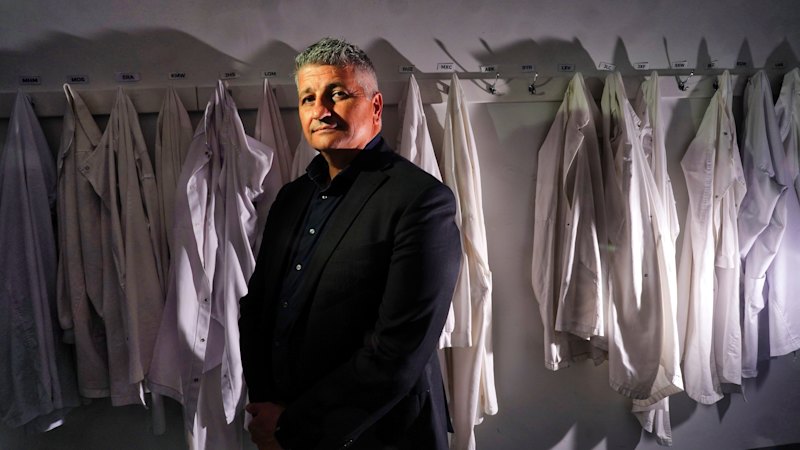
One of the study’s lead researchers and chief toxicologist and head of forensic sciences at the Victorian Institute of Forensic Medicine, Dimitri Gerostamoulos, said the data gave a unique snapshot into a new wave of substances being used by drivers beyond alcohol, methamphetamine, ecstasy and cannabis, which were routinely detected by police.
“What we didn’t really have a feel for before this is what sort of other drugs people were taking when they are injured in a car crash, and it’s fair to say that there are more people on our roads with a drug in their system than previously,” Gerostamoulos said.
“There’s no other place anywhere in the world that’s doing this level of toxicology on this many samples to get a picture of what drugs are being observed in or detected in people who are injured motor vehicle accidents.”
Alcohol, cannabis and methamphetamine continue to be the most commonly detected drugs among injured drivers, but Gerostamoulos said there was also a concerning increase in the prevalence of cocaine.
In the first five years of the study, 39 drivers involved in car crashes in the state tested positive to cocaine. This almost doubled to 87 drivers in the second half of the decade.
John Ryan, chief executive of non-profit research body the Penington Institute, said it reflected the rise in cocaine use, with national consumption reaching a record high in recent years.
“We’ve been absolutely flooded with cocaine in Australia in the last few years,” Ryan said.
“It’s no surprise that it’s been picked up in this kind of study. Australia is a honey pot for drug traffickers because we have high demand for drugs, and people are willing to pay very high prices for their drugs.”
Methamphetamine was detected in almost 13 per cent of drivers. Cannabis (tetrahydrocannabinol) which remains detectable even weeks after use, was present in between 11 and 12 per cent of drivers, while alcohol was detected in about 15 per cent of samples.
In the first few years of the study, new psychoactive substances, which include synthetic or “designer” drugs, were discovered in only six drivers.
This number soared to 148 injured drivers after the coronavirus pandemic.
Gerostamoulos said it coincided with the rise in consumption of synthetic substances off the back of the pandemic.
The Victorian coroner has previously linked the rise in designer or synthetic drugs to an increase in accidental drug overdoses.
“During the pandemic, people were certainly buying these drugs from the internet and having them delivered at home,” he said.
Gerostamoulos said the degree of unpredictability of new synthetic drugs was concerning because there was not enough clinical or scientific data to understand the pharmacology and symptoms, or how they react alongside other substances.
Ketamine was detected in 7 per cent of drivers by 2023, up from 4.5 per cent in the first half of the decade. Fentanyl detection also doubled from 54 cases in the first five years to 100 cases in the last years of the study.
Gerostamoulos said his team was continuing the research and examining how individual drugs are contributing to the road toll.
He said preliminary results also suggest the trend in use of substances such as cocaine and synthetic drugs among drivers continued.
National crash data also reflects the changing face of road risk. Between 2010 and 2023, fatal crashes involving drug-driving rose from 7.6 per cent to 16.8 per cent, while crashes linked to drink-driving fell from 21.6 to 12 per cent.
Ryan also raised concerns about the prevalence of novel synthetic substances, including illicit benzodiazepines, which had exploded in the drug market.
“As this study shows, there has been a massive percentage increase in drivers using these substances,” he said.
But he warned against simply increasing roadside drug testing to curb the problem.
“I just worry when we have something as sort of startling as this study all we end up doing is doubling down on law enforcement,” he said.
“We can’t afford to just police or to roadside drug test our way out of these problems. We’ve got to have a community education campaign to try and encourage people to not drive after they’ve taken drugs.”
Roadside drug testing for cocaine is already conducted by police in Queensland, New South Wales and South Australia, but not Victoria.
Road Policing Assistant Commissioner Glenn Weir said police routinely performed drug testing for illicit substances including methamphetamine, cannabis and MDMA, which overwhelming responsible for drug-related road trauma.
He said Victoria Police continued to monitor road trauma trends, including the presence of other illicit drugs in injury and fatal collisions.
“We continue to evaluate our capability to test for other drugs at the roadside in-line with any changing or emerging road trauma trends,” he said.
In Victoria, about 6500 road users are hospitalised each year and an average of 250 people are killed on the state’s roads annually.
Start the day with a summary of the day’s most important and interesting stories, analysis and insights. Sign up for our Morning Edition newsletter.


From our partners
Read the full article here