



“Countries have to proactively implement adaptation measures in disaster-prone areas through political will, improved governance, education, rationalising land-use policy and, at least in part, through internal resources,” Dr Raman Sukumar at the Indian Institute of Science told me.
The international community has been slow to respond – and even slower still in recent times with a conservative, science-sceptical government in the United States pulling out of climate deals and cutting back on international aid.
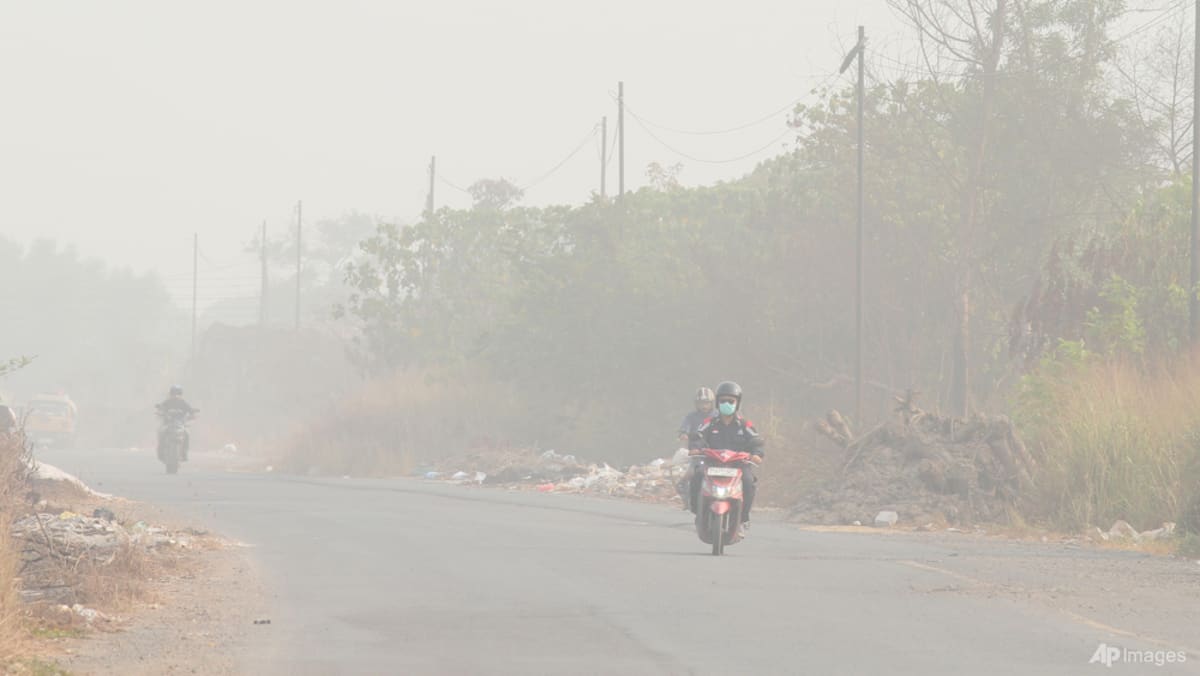
When climate-driven disasters occur, they tend to do so in cascades. Wildfires, storms and debris floods, for example, can knock out electricity grids and close down airports, hampering rescue operations. Inadequate medical facilities can be very quickly overwhelmed. Food crises can deplete national food reserves, leaving other areas underserved.
But the writing on the wall is clear. Asia must fend for itself, reorient towards disaster preparedness and adaptation, and cooperate for the collective good – else be thoroughly unprepared for the cascading shocks that will mark the coming decade.
Nirmal Ghosh, a former foreign correspondent, is an author and independent writer based in Singapore. He writes a monthly column for CNA, published every third Friday.
Read the full article here


