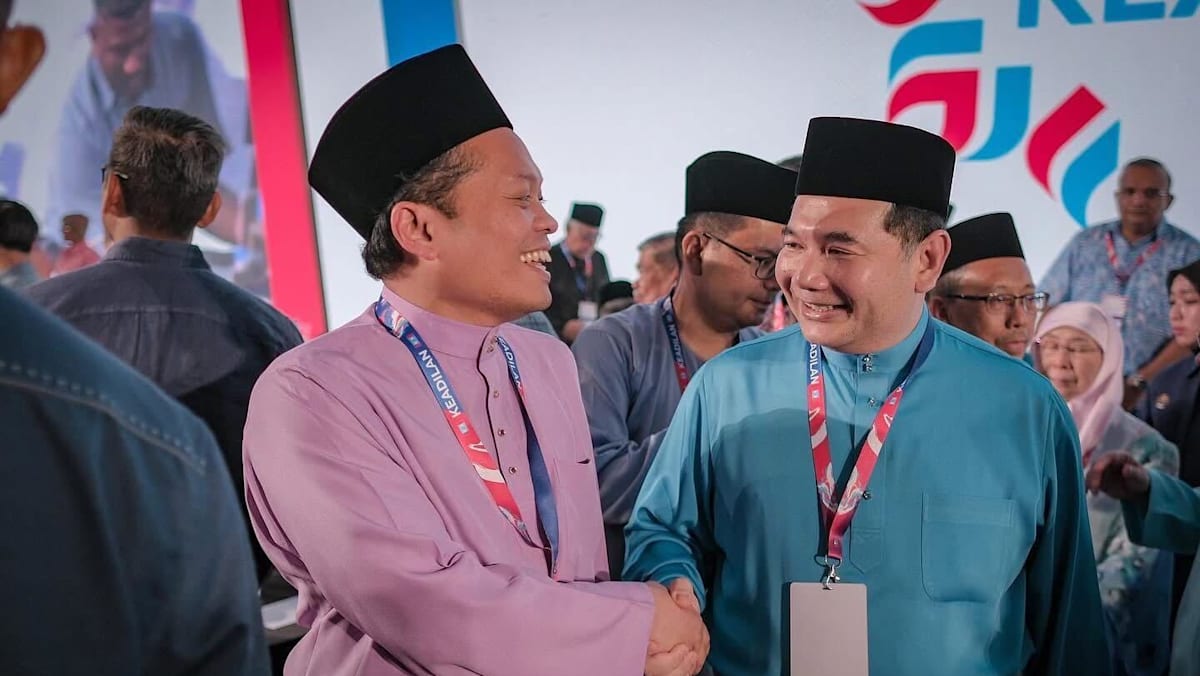
Second, they have the capacity to strategise and execute campaigns. Rafizi brings rich experience in data analysis, social media machinery and communication platforms that channel tailored content to targeted voters.
While their message may be audacious, their ambition need not be. This can play to their advantage.
Bersama can grow either through other MPs vacating their parliament seats and defecting to Bersama or political newcomers joining; what matters is fielding a sizable slate of winsome candidates in selected seats. They prefer Bersama to strike out on its own rather than joining a coalition. This, however, does not preclude agreements with like-minded parties, such as Malaysian United Democratic Alliance (MUDA), to avoid clashes, even if they do not campaign together.
Third, Bersama’s novelty could appeal to new, undecided voters. Malaysia’s recent elections have each been shaped by multi-cornered contests and splits in the Malay vote, in which younger, less partisan voters could swing the outcome.
Splitting the urban vote in PH strongholds adds further permutations – none of which, it must be said, guarantee gains to Bersama. But the field could open up to their benefit.
Bersama has much to unveil and persuade, but it is already a new player making waves.
Dr Lee Hwok-Aun is Senior Fellow of the Regional Economic Studies Programme, and Co-coordinator of the Malaysia Studies Programme at ISEAS – Yusof Ishak Institute. This article first appeared in Fulcrum.
Read the full article here