



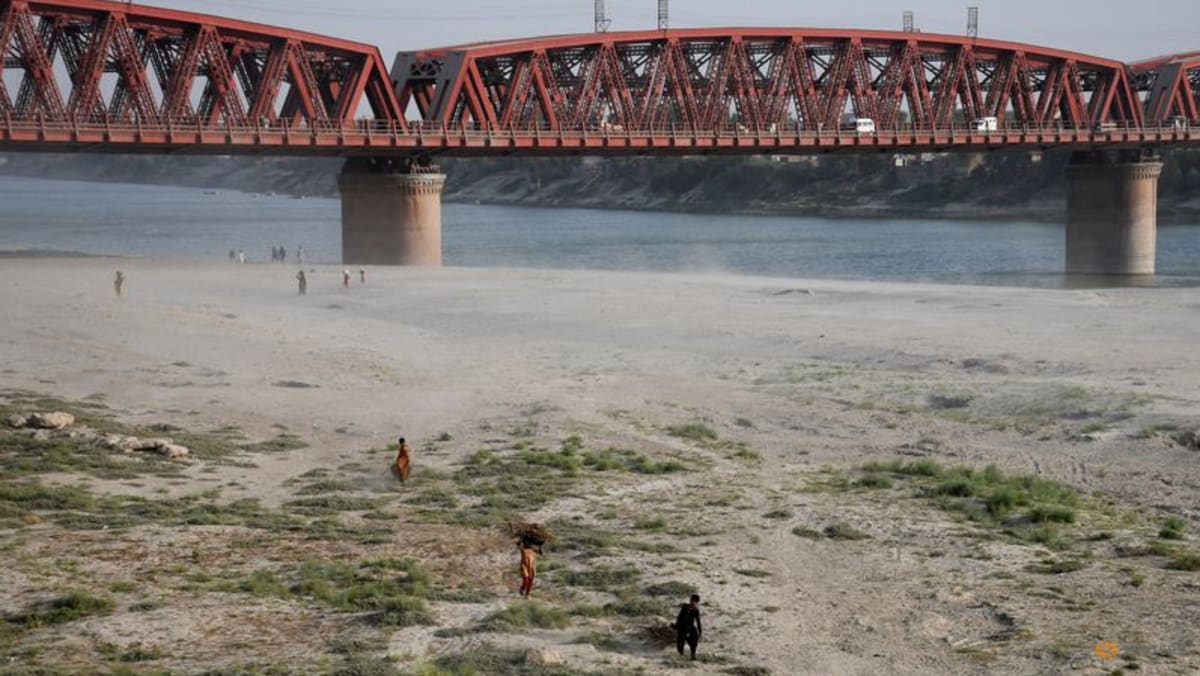
INFRASTRUCTURE WORK HAS ACCELERATED
So, if the Hague cannot compel India to comply, what can India actually do to water from the transboundary rivers?
A growing population in the Indus basin requires more water for industrial activities, hydroelectric power generation, agricultural activities, and domestic consumption, thereby increasing demand. The water situation has been compounded by the impact of climate change in the region.
Since holding the treaty in abeyance, India has accelerated work on various projects on the transboundary rivers.
For example, work on hydropower projects such as Kiru, Kwar and Sawalkot which involve building dams on the Chenab River are making progress. India has recently built its first rock check dam on the Indus River at Upshi, raising the water level by about 3m and storing 40 million litres of water for irrigation.
Under the treaty, waters from the Western Rivers (Indus, Jhelum and Chenab) are allocated for Pakistan’s unrestricted use. India is allowed some restricted uses, which include agriculture and the generation of hydroelectric power.
While India sees these projects as developing infrastructure to use its full share of water, Pakistan fears that these may affect water flow in the lower basin region.
Indeed, Pakistan had previously challenged infrastructure designs in the upper basin region of the Western rivers under the treaty. On the Ratle and Kishanganga hydroelectric plants, after 2022, India had engaged by attending the neutral experts’ meetings. But this has stopped since it unilaterally suspended the treaty in April 2025.
Read the full article here


