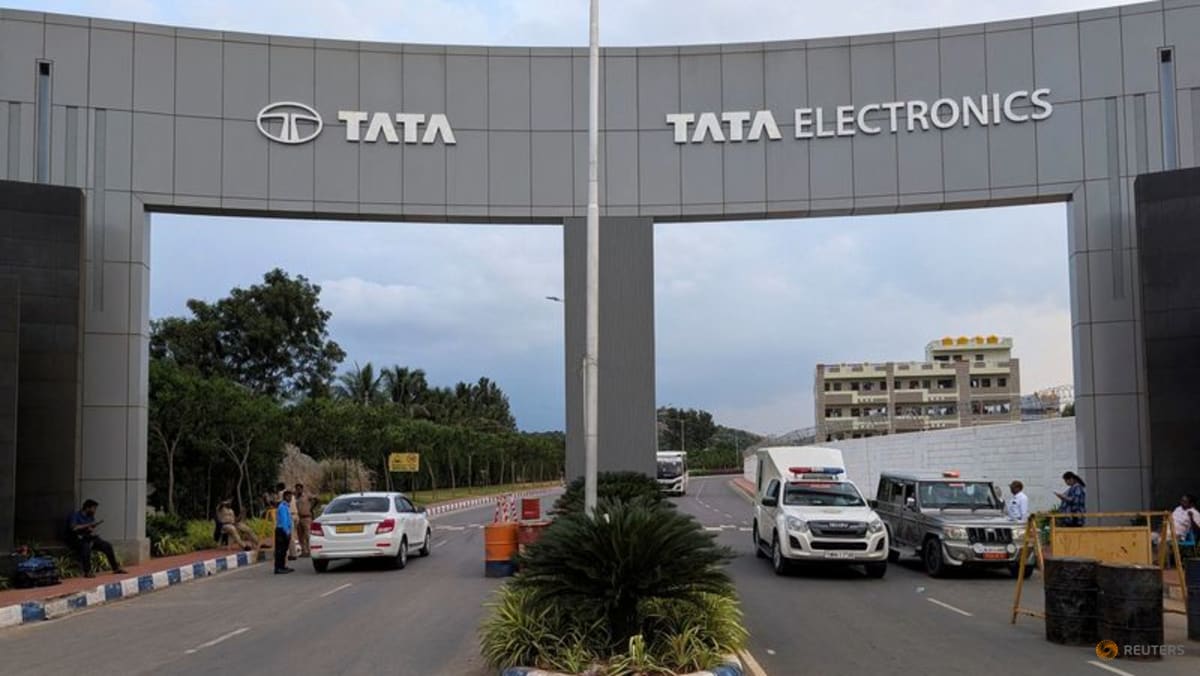
NOT A VERDICT
But it would be an extraordinary conclusion to draw from one cyber breach that the “Make in India” brand is set to lose its competitiveness.
The global push to diversify supply chains beyond China, a large and growing domestic market, a sizeable workforce and the government’s enthusiastic support continue to make India an attractive manufacturing destination.
Also, cyberattacks are not unique to India. According to the IBM’s X-Force Threat Intelligence Index 2026, manufacturing was the world’s most targeted industry for cyberattacks in 2025, making cybersecurity a global challenge.
Still, the Tata data breach is a reminder that cybersecurity, quality control, environmental compliance and supply-chain management are now as much a part of manufacturing competitiveness as roads, electricity and labour costs. Companies should harden access controls, data segregation, supplier-level cybersecurity and incident-response systems across their manufacturing networks.
The government, which has said it is investigating the recent data breach, should also use the episode to establish stronger cybersecurity standards across the country’s manufacturing supply chains, turning the breach into a demonstration of India’s capacity to learn and rebuild trust.
Meanwhile, continued efforts remain essential to fix deeper constraints for the manufacturing sector – access to land, labour-market rigidities, logistics, infrastructure, skill shortages combined with regulatory uncertainty. The fact that these constraints have persisted means that an industrial policy based primarily on incentives cannot simply substitute the difficult background work that needs to be done for improving the underlying business environment.
Read the full article here