



REGAINING LEADERSHIP
Thai economists like to contrast the country’s performance with Vietnam, whose GDP is expected to surpass Thailand by the end of 2026.
Vietnam is also emerging as a leader in Southeast Asia – a position long occupied by Thailand – underlining the danger of Thailand’s declining relevance. Since the military coup of 2014, Thailand has been “essentially absent from the ASEAN table”, a former senior diplomat from the region told me. ASEAN is the 11-member Association of Southeast Asian Nations.
But regaining its traditional leadership role is arguably contingent on Thailand restoring and maintaining both internal political stability and economic dynamism.
“Political uncertainty is an economic drag, it undermines confidence,” the Thai government official told me. “Investors care less about ideology than predictability and execution.”
Structural changes inevitably impact existing interests and diminish state power to pave the way for free competition, and therefore face resistance, Chairman of Thailand’s National Economic and Social Development Council Supavud Saicheua told the Thai publication Prachachat this month. But the choice is between merely muddling through or accepting the short-term pain, he said.
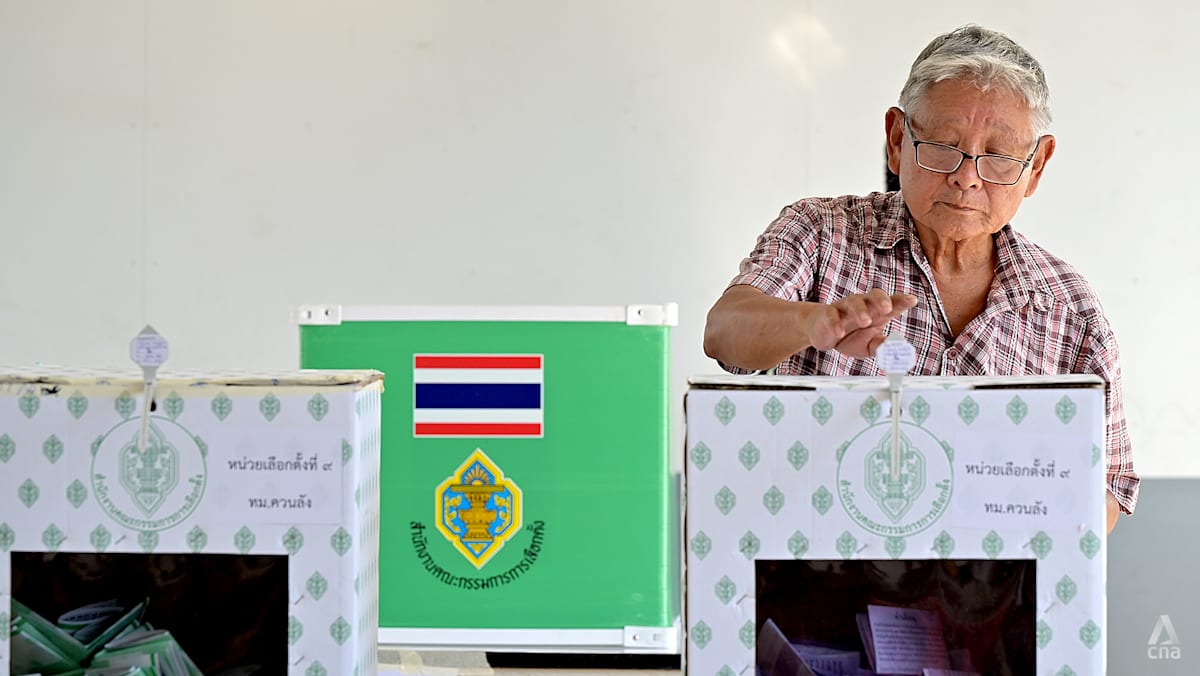
Days of horse trading and coalition arithmetic are expected to follow Thailand’s Feb 8 election. A best-case scenario will be a free and fair poll without post-election subversion, with a new administration in place around March, empowered to make policy changes that address core issues and lift growth or risk growing popular disenchantment.
This, in turn, would rebuild Thailand’s regional and global standing. The challenge for the next government is not choosing sides internationally, but convincing partners that Thailand remains a reliable, forward-looking player in a rapidly shifting regional order, says Professor Pavin Chachavalpongpun, Professor at Kyoto University’s Centre for Southeast Asian Studies.
“Rebuilding confidence will require demonstrating political stability, policy coherence and a clearer strategic voice, particularly within ASEAN at a time of heightened great-power rivalry,” he told me.
Read the full article here


