



END OF AN INDUSTRY?
Cambodian officials have framed the operations as a decisive break with the past. They have vowed to eradicate the powerful online scam networks in the country by April.
However, it’s unclear if the raids signal a sustained policy shift or are a temporary response to heightened diplomatic scrutiny. Although this is the most comprehensive action Cambodia has taken to date, it is far from the first time the government has cracked down. The industry has always survived.
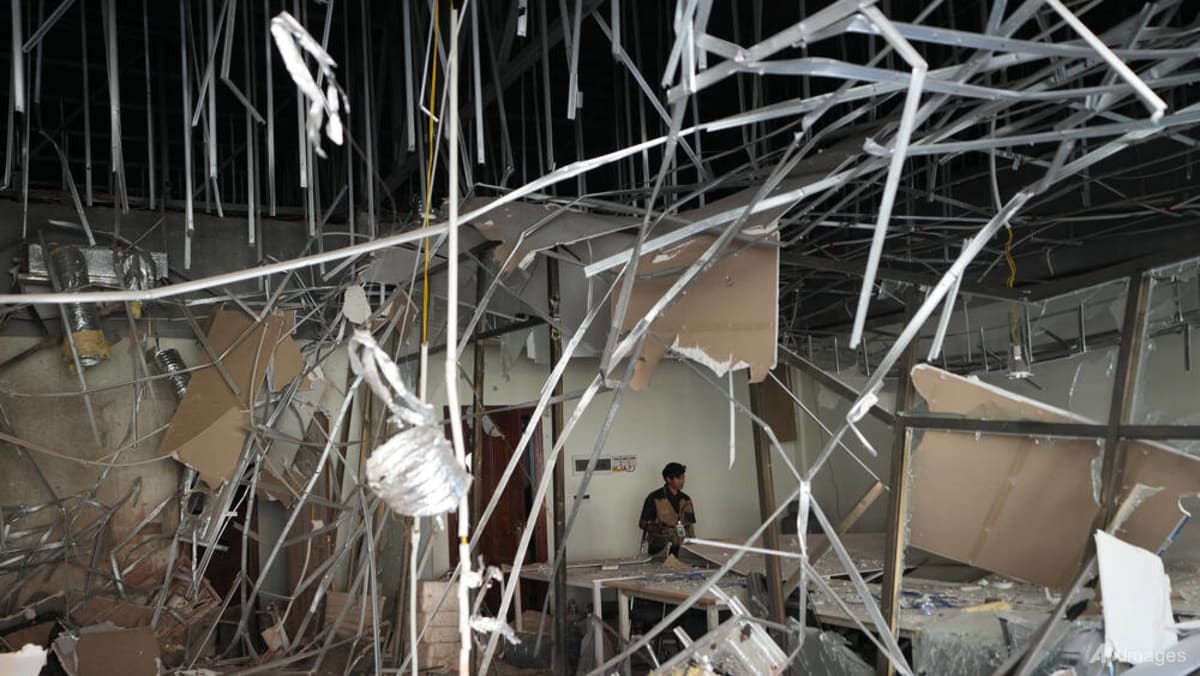
Empty compounds remain guarded, but we managed to visit one since the crackdown. While the computers, cameras and other items have largely been removed, the physical infrastructure remains intact and ready to be reactivated.
And pockets of the industry remain active. Based on our monitoring of Telegram groups used by scammers and conversations with industry insiders, many are still operating in areas such as Koh Kong and Poipet.
Moreover, scam groups are continuing to recruit workers trapped inside the country. Many of the stranded victims have told us of being approached with job offers, presented as an easy way to earn enough money for a flight home.
Job advertisements are also circulating on Telegram, targeting these same individuals with purported “opportunities” at precisely the moment when they are most vulnerable. Many have endured severe abuse and are in urgent need of psychological support.
So far, the survivors’ appeals to the international community have largely gone unanswered. Without a timely and coordinated intervention to help them, the outlook is bleak, and the advantage will once again lie with the scammers.
Ivan Franceschini is Lecturer in Chinese Studies and Deputy Director at the Centre for Contemporary Chinese Studies, Asia Institute. Charlotte Setijadi is Lecturer in Asian Studies at the Asia Institute. Ling Li is a PhD Candidate at Ca’ Foscari University of Venice. This commentary first appeared on The Conversation.
Read the full article here


