



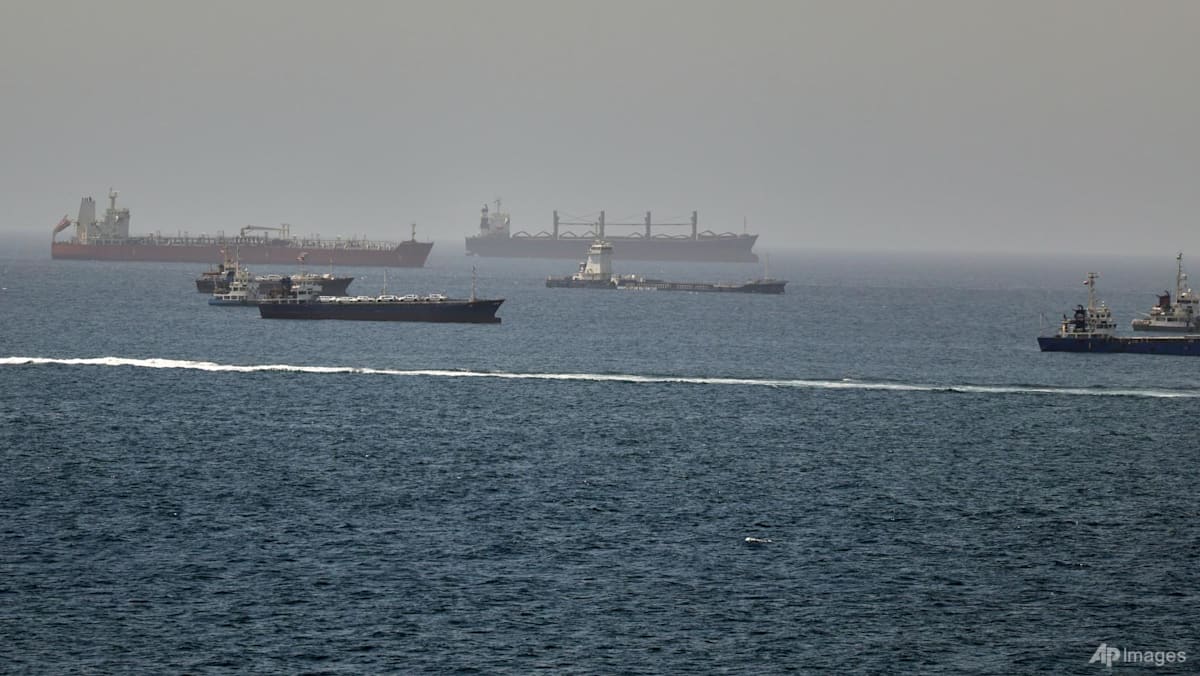
SINGAPORE: Ministers and representatives of the Comprehensive and Progressive Agreement for Trans-Pacific Partnership (CPTPP) welcomed the agreement between the United States and Iran, including steps towards reopening the Strait of Hormuz and restoring free and safe navigation.
In a joint ministerial statement on Friday (Jun 26), the free-trade bloc underscored the importance of keeping sea lanes open and secure, ensuring freedom of navigation and overflight, and maintaining “safe, unimpeded, and continuous transit passage” through the Strait of Hormuz.
They also called for disruptions to energy trade flows to be minimised in accordance with international law, “as reflected in the UN Convention on the Law of the Sea”.
The US-Iran peace agreement, signed earlier this month after more than three months of conflict, aims to formally end the war, reopen the Strait of Hormuz to commercial shipping and begin further negotiations on Iran’s nuclear programme and sanctions relief.
The Strait of Hormuz is one of the world’s most important maritime trade routes, carrying about one-fifth of global seaborne oil and liquefied natural gas exports.
The CPTPP ministers noted the importance of trade in fuel, energy products and other affected goods, including crude oil, diesel, natural gas, petrochemical products such as plastics, fertilisers and other critical goods.
They also committed to “promoting free and open markets and rules-based trade in energy and other impacted products”, which they said were essential to the security and prosperity of their economies.
“We reaffirm our commitments not to impose unjustified trade restrictive measures, and we call on others to do the same.”
Officials will accelerate their work to upgrade CPTPP provisions to strengthen supply chain resilience and explore areas for practical cooperation and timely information exchange to support market confidence and reduce risks of supply disruption, the ministers said.
“In this time of crisis for global supply chains, we reaffirm our shared determination to work collectively to address current disruptions, uphold open markets and rules-based trade, and accelerate cooperation on resilience and crisis response,” they added.
Read the full article here


