



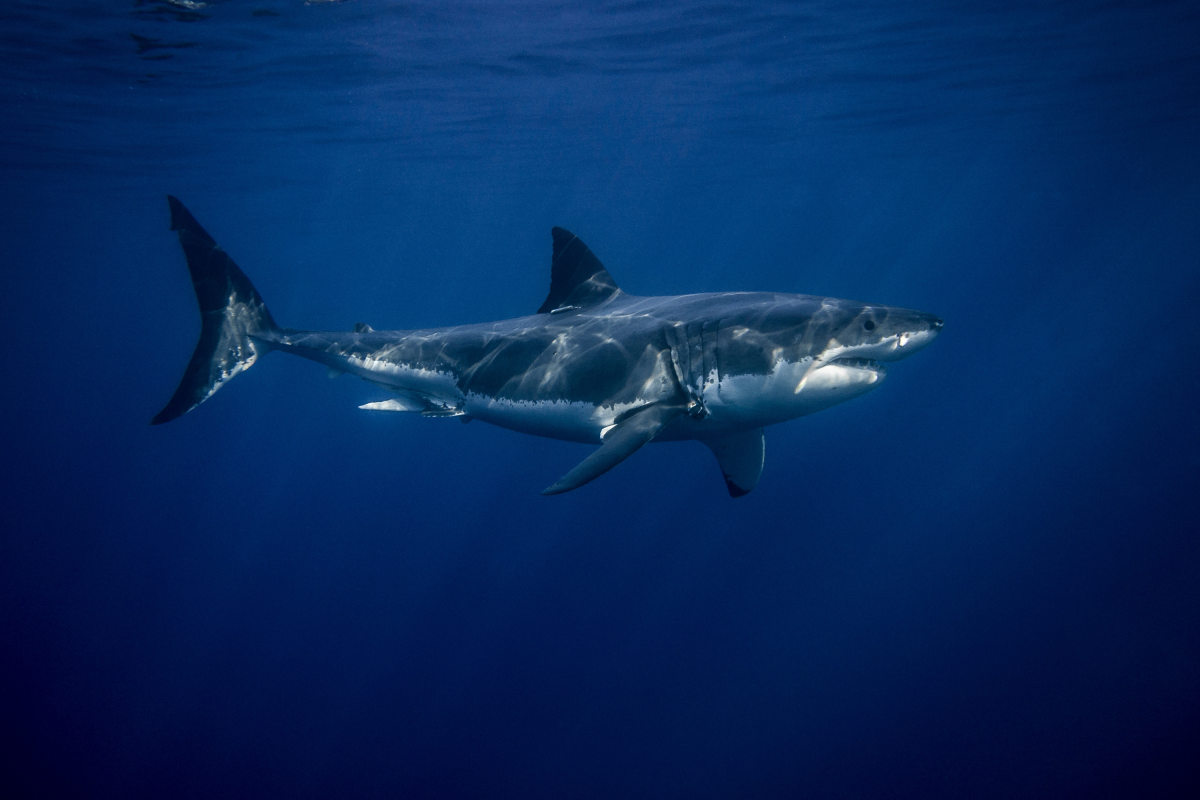
A 38‑year‑old diver has died after a 16‑foot great white shark attack off Rottnest Island, a popular tourist destination near Perth, Western Australia—one of the world’s most active regions for shark attacks.
According to Fox News, the attack occurred just before 10 a.m. on May 16 at Horseshoe Reef, a well‑known diving and fishing location roughly 19 miles off the coast of Perth.
Diver Pulled From Water After Attack
According to authorities, the man had been spearfishing with friends and was in the water near a boat when he was bitten on the legs by the shark. The predator—reported to be a great white measuring around 16 feet—is among the largest and most powerful shark species.
Friends pulled the man from the water and rushed him approximately back to shore by boat, where emergency responders performed CPR.
Despite their efforts, he couldn’t be revived.
7News reported that the Department of Primary Industries and Regional Development later confirmed there had been sightings of a large white shark in the area before the attack and urged the public to “take additional caution in the Geordie Bay, Rottnest Island area,” take any beach closures seriously, and to report any shark sightings to Water Police.
The fatality marked Australia’s second deadly shark attack of 2026 and the first in Western Australia this year.
Why Shark Attacks Can Happen
Experts emphasize that sharks do not actively hunt humans. Instead, attacks are usually triggered by a mix of environmental and behavioral factors.
One likely contributor in this case is spearfishing, which can significantly increase risk. The activity creates vibrations and introduces injured fish into the water—both of which can attract sharks from long distances.
Another factor is mistaken identity or exploratory behavior. Sharks rely on movement, sound, and electrical signals to detect prey, and may investigate unfamiliar objects—including humans—with a bite.
Environmental conditions can also play a role. Sharks are more likely to approach coastal areas where prey is abundant, and increased human activity in the water raises the chances of encounters. Some researchers also suggest that warming ocean temperatures and shifting prey patterns may be bringing sharks closer to popular beaches and reefs.
Shark Attacks Across the World
Shark Attacks Remain Rare
While the incident is shocking, shark attacks remain statistically rare.
In Australia, there are typically around 20 shark attacks each year, with fewer than three resulting in fatalities. The country has recorded roughly 1,300 shark incidents since 1791, making it one of the most active regions globally for encounters.
Globally, the International Shark Attack File reported 65 confirmed unprovoked shark bites in 2025, with around nine to 12 fatalities, broadly in line with long‑term averages. That equates to roughly 60-70 attacks worldwide each year, underscoring how rare fatal incidents are given the millions of people who enter the ocean annually.
The United States consistently records the highest number of incidents, accounting for about 38 percent of global cases, though fatalities remain extremely low—typically one per year. Florida, in particular, is considered the world’s “shark bite capital,” reporting the largest share of U.S. encounters.
Key Takeaway
Despite the tragedy, experts stress the overall risk remains extremely low. On average, the odds of a fatal shark encounter are millions to one, far lower than many everyday risks.
Still, the incident serves as a stark reminder of the inherent and unprecedented dangers of the ocean and the need for vigilance in waters shared with some of the ocean’s most powerful animals.
Read the full article here


