



NEWYou can now listen to Fox News articles!
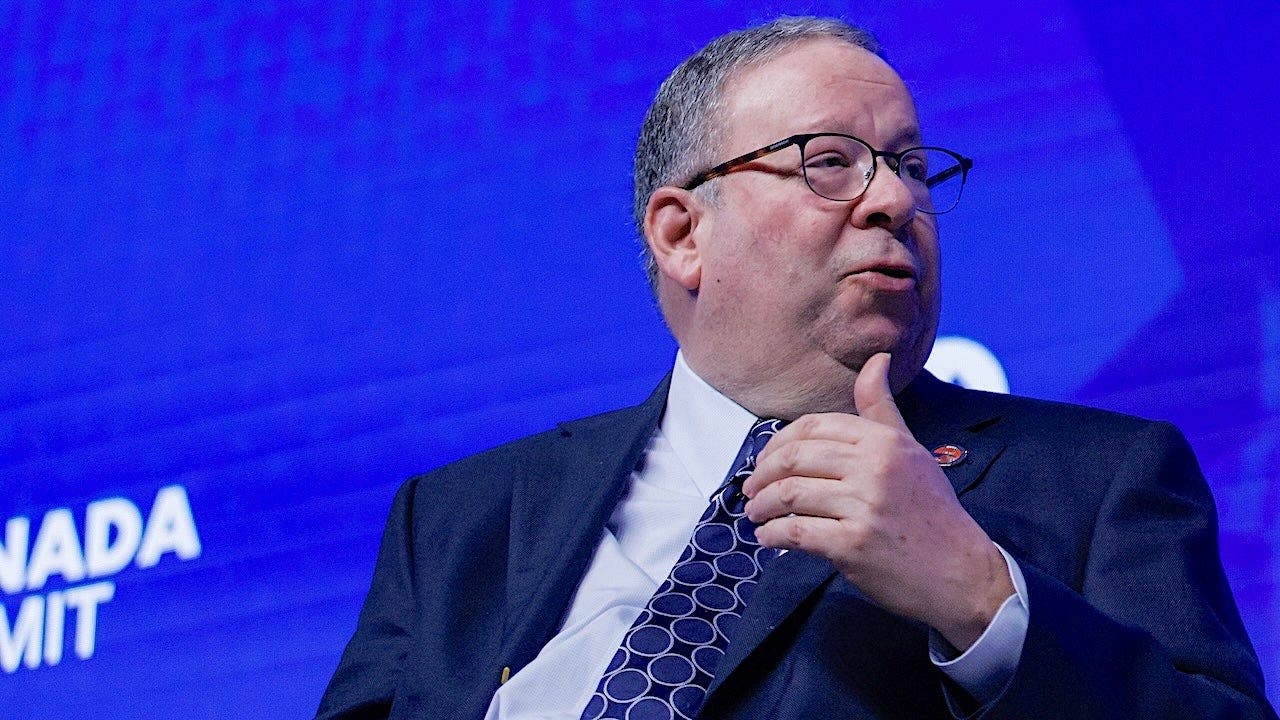
Former U.S. Ambassador to Canada David L. Cohen is blaming the Trump administration’s hardline trade pressure for pushing Ottawa into engaging with China.
“I think Canada has tentatively tried to play some footsie with China that the Trump administration may not be happy with,” Cohen, who served as President Joe Biden’s ambassador to Canada from 2021 to 2025, said in an interview with Fox News Digital.
“There is a discomfort with that,” Cohen says, while arguing that it is ultimately Canada’s reflex to sentiment against President Donald Trump – particularly his hardline trade policies and rhetoric about the neighbor to the north being a “51st state.”
VANCE SAYS CANADA FRIENDLIER TO CHINA ON TRADE THAN TO US: ‘INSANITY’
“One of downsides of the aggressive Trump administration treatment of Canada and many other allies and partners is that the irony is that those policies are pushing those countries to at least consider broader and larger deals with China, which of course is wholly inconsistent with a major thrust of President Trump’s international trade policy,” Cohen continued. “So, how that shakes out, it’s all a matter of degree and balance.
“But I think there’s no doubt that the aggressiveness of the Trump administration positions has caused many countries to at least reevaluate whether there are additional deals that can be made with China.”
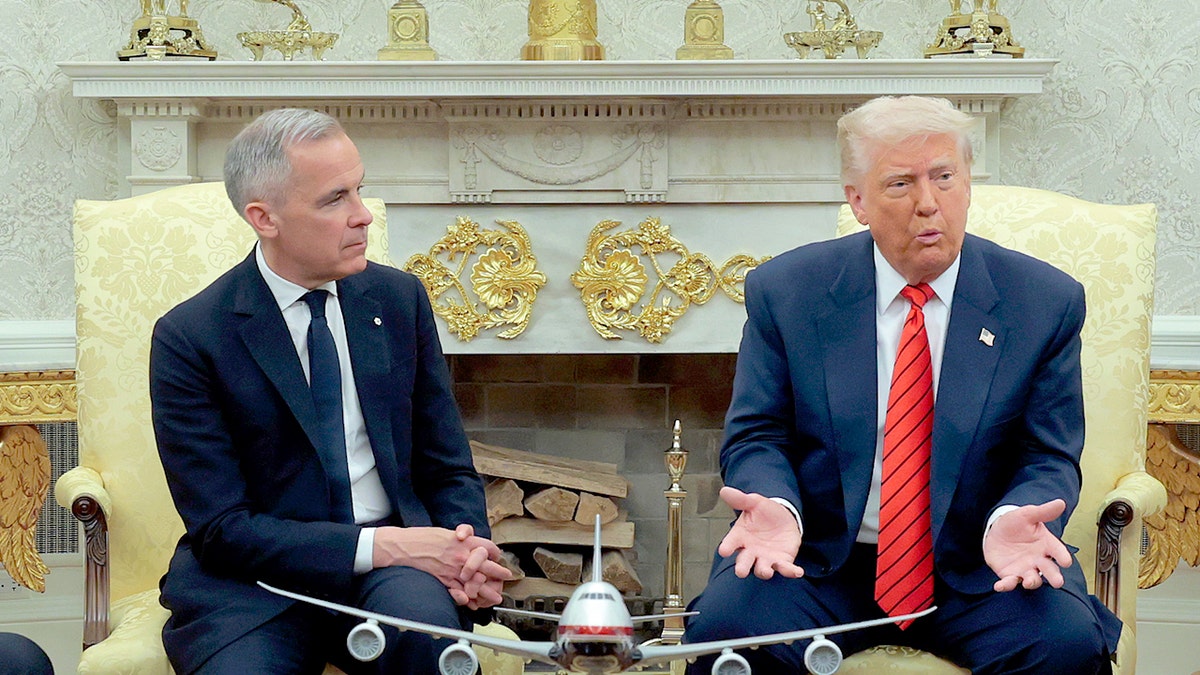
The comments come as U.S.-Canada trade tensions spiral after negotiations collapsed last month. Canadian Prime Minister Mark Carney on Tuesday accused Washington of seeking dependence rather than partnership.
“The most fundamental issue is that the cumulative U.S. demands revealed that they wanted us to become even more reliant on them, not less,” Carney said. “In too many areas, they wanted dependency, not a true economic partnership.”
TRUMP TAUNTS CANADA ON RENAMING LAKE ONTARIO THE ‘LAKE AMERICA’ AMID RISING BORDER TRADE RIFT

Notably, the fallout comes just weeks before Chinese dictator Xi Jinping makes an historic trip to the White House to talk trade – something that never happened during the Biden administration despite Biden’s onetime quip before the COVID-19 pandemic that “China’s not bad folks.”
Vice President JD Vance, speaking in Maine last month, accused Canada of giving Chinese goods better treatment than products from American northern border states.
“They treat Chinese goods more fairly than they do the goods that come from the people of Maine: It’s insanity,” Vance said. “And what we’ve said to Canada is, ‘Stop it.’”
Cohen, however, was careful not to cast Canada as blameless in the trade feud. He admitted U.S. dairy farmers have legitimate complaints about Canada’s tariff-rate quota system, saying the issue has frustrated administrations of both parties for years.
WHITE HOUSE EXPOSES ‘TRANSSHIPMENT SCAM’ COSTING US UP TO $26B, POINTS FINGER AT CHINA
“This is one of the totally legitimate trade issues that exists between the United States and Canada,” Cohen said. “There is contention there that is hurting American dairy farmers. Yes, I will be honest and clear about that.”
“That tension existed under Joe Biden. Was he able to solve that problem? No,” he added. “It was something that was discussed and discussed more than once. We just never got there.”
Cohen, supportive of Trump’s “substance” on trade talks but not the “style,” did credit Trump for replacing NAFTA with the United States-Mexico-Canada Agreement, calling USMCA a “terrific deal” that improved continental trade.
TRUMP TRADE CHIEF WARNS CANADA WALKED AWAY FROM ‘THE BEST DEAL’ TO TRIGGER 50% U.S. TARIFFS
“I gave President Trump a lot of credit for that because it was a much better deal than NAFTA,” Cohen said. “I think he deserves credit for that.”
“I do push back at times on some of the rhetoric that President Trump has chosen to use, not necessarily the substance, but maybe the style that he sometimes uses to pursue his substance,” he added.
“There are such fundamental differences on the substance of President Trump’s trade policy that I think the treatment of President Trump is different than the treatment of President Biden,” Cohen observed. “But when professional negotiators were in the room, they seemed to have been making a lot of progress.”
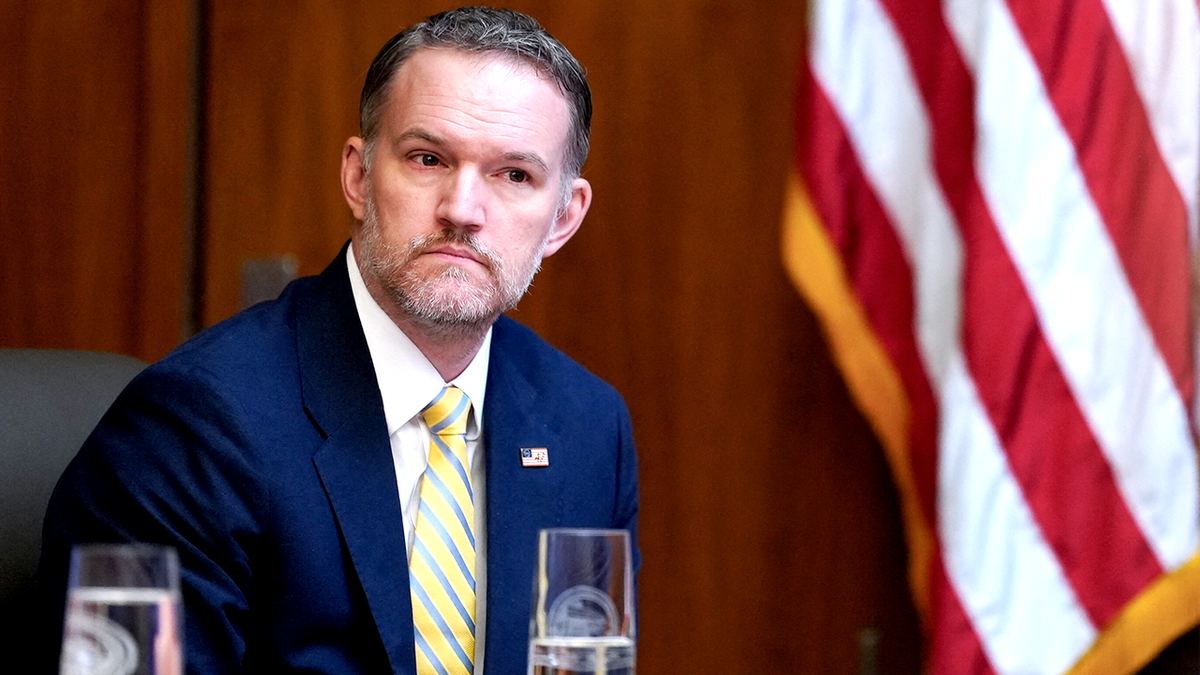
Cohen believes the two sides need to return to professional negotiators, arguing that U.S. Trade Representative Jamieson Greer and Canadian officials had shown they could discuss difficult issues before the talks broke down.
TRUMP MUST CLOSE THE BACK DOOR CHINA USES TO EXPLOIT NORTH AMERICAN TRADE
“I have an enormous amount of respect for U.S. Trade Representative Greer,” Cohen said. “He is the ultimate professional trade negotiator, which is why he’s in that job. He didn’t get there by accident. President Trump put him in that job.”
By contrast, Cohen said Commerce Secretary Howard Lutnick – who was on the call that Friday night in August when talks broke down at the 11th hour – needs to stay in his lane.
“Secretary of Commerce Lutnick, with all due respect, is not a professional negotiator,” Cohen said. “That’s not the Commerce secretary’s job. It’s USTR’s job to negotiate trade deals with other countries.”
Lutnick has suggested in interviews about the infamous breakdown in talks that Canadians’ politics are at play in keeping Carney from cutting a deal with Trump, a man the provincial leaders and Canadian public have long been disenchanted with.
TRUMP TRADE CHIEF REVEALS WHAT PRECEDED CANADA WALKING AWAY FROM ‘BEST DEAL IN THE WORLD’
“Friday at 4 o’clock, the Canadians call: They start adding crazy ideas to the mix,” Lutnick said recently. “So, I said to one of the ministers, ‘Are you actually trying to blow this up?’ And his answer to me was, ‘I’m not allowed to say that.’ And they blew it up for political reasons only.”
Cohen said of Lutnick’s account that “until proven otherwise, I take every senior government official at his word, period,” and that he has “no way of knowing whether that is true or not.”
But, he admitted, Carney taking the nearly finished trade deal back to the provinces did not go over well – particularly amid his rising popularity among Canadians for being an anti-Trump force – because “the premiers of the provinces have more sway in federal policy than most governors do in federal policy.”
CANADIAN PM TELLS TRUMP TO ‘STOP TRYING TO BE TOUGH’ IN TRADE FIGHT
“It appears that Canada made the decision that the deal that was being offered was not a deal that they could accept,” Cohen said. “He may have made a judgment that although he and his team had pushed this deal as far as they could, and that it was, in his eyes, as good a deal as he was going to get at that point, that he could not sell that politically in Canada.”
“That’s not the same as saying that he was walking away for political reasons,” Cohen added. “It’s just the nature of a big, complex negotiation.”
TRUMP’S CANADA TARIFF FIGHT REACHES CRITICAL POINT AS HOUSE GOP SUMMONS TRADE CHIEF
Ultimately, Cohen said the breakdown between the closest allies and trade partners in the world will be a story long told.
“There are going to be books written about what caused the negotiations to fall apart,” he said. “But independent of all the dialogue about that: There is no dispute that these professional negotiators were able to have a civil relationship and talk about really different difficult substantive issues out of the eyes and the ears of the press and with full respect for each other and for the countries. That’s my vision for the way in which trade negotiations should occur and they did occur – and it was a two-way street.”
CLICK HERE TO DOWNLOAD THE FOX NEWS APP
Eventually, after the trade-war barbs and tariffs fly and the dust settles, the “professional negotiators” will get things done, Cohen predicted.
“You can’t make a deal if you’re not talking to each other,” Cohen said. “Of that, I am 100% certain.”
Read the full article here


