



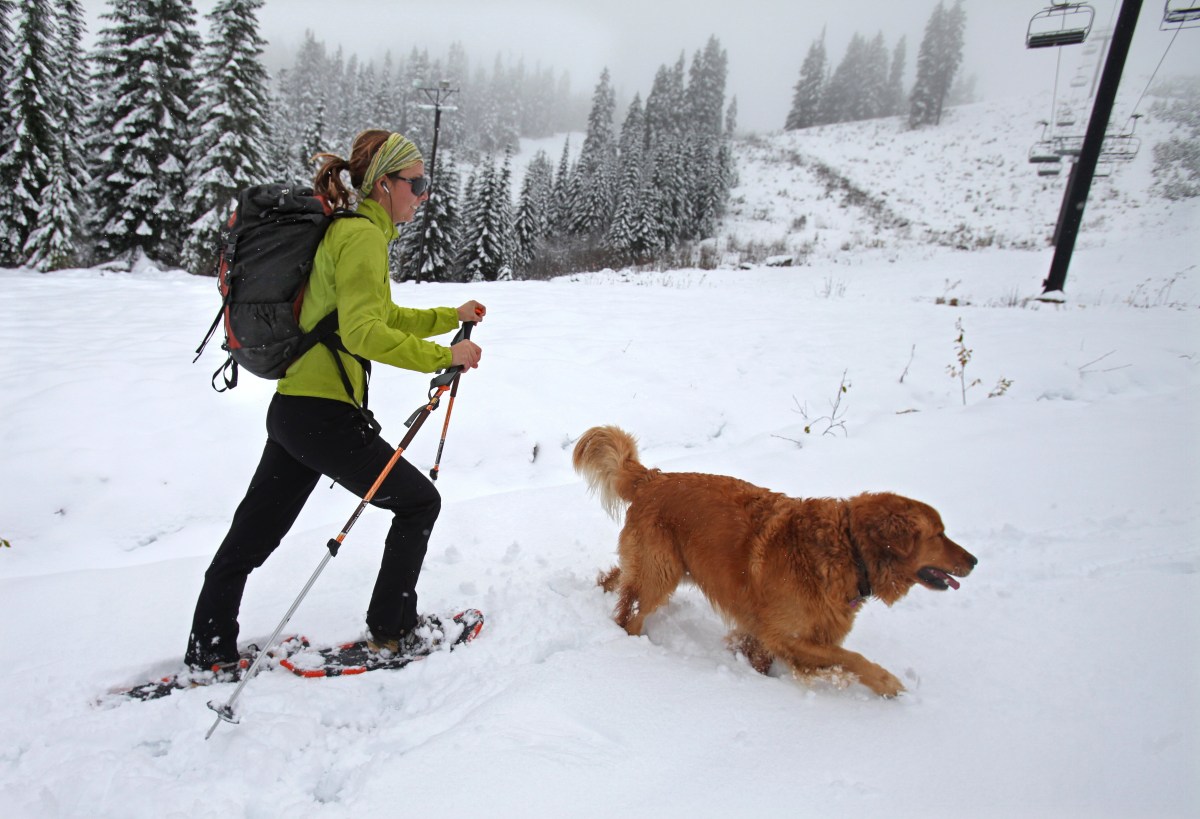
Heavy snow—up to 12 inches—and strong winds are expected to strike two states, as the National Weather Service (NWS) advises residents in affected areas to “prepare for possible power outages” from Wednesday.
States Affected By Heavy Snow
The NWS has issued winter weather advisories for areas across Washington and Alaska, warning that—aside from possible power outages—snow and strong winds could make travel difficult until Thursday morning.
Washington
The cascades of Snohomish and northern King counties and the cascades of Whatcom and Skagit counties could see between 8 and 12 inches of snow by Thursday morning. The NWS has warned that this could make travel “very difficult,” particularly through Wednesday afternoon, as a heavier band of snow is forecast to move in, especially over Stevens Pass.
Mazama, Stehekin and Holden Village have been told to expect up to 12 inches of snow in areas above 4,000 feet and around 3 inches everywhere else, below 4,000 feet, throughout Wednesday into Thursday.
Alaska
Parts of the northwest Arctic Coast, especially Point Hope, are facing strong 45 mph winds through Wednesday, lasting until mid-Thursday morning. These conditions are likely to cause periods of blowing snow, which could reduce visibility down to half a mile or less at times.
Advice For Those Experiencing Heavy Snow
The NWS advises drivers who are likely to experience heavy snow and high winds over the coming days and need to travel to make sure they slow down and use extra caution when conditions are bad, as “more than 5,000 fatalities occur on the roadways each year due to weather conditions.”
Before setting off, they should clear any snow and ice from their vehicles, tell someone what route they are planning to take, and what time they expect to arrive at their destination, make sure their mobile phone is fully charged, and that their vehicle is prepared with an emergency kit, including blankets, a shovel, a flashlight, non-perishable, high-calorie food, and water.
When driving, if the vehicle starts to skid, drivers should try to remain calm, take their foot off the gas, and turn the wheels in the direction they want the car to go. If blowing snow makes it difficult to see, drivers should pull over into a safe space and wait there until conditions improve.
If residents experience power outages, the NWS warns that generators should not be used indoors, because of the risk of deadly carbon monoxide poisoning, and they should also avoid using candles and fireplaces, as they could significantly increase the risk of fire. If they have no heat, they should close off rooms they don’t need to be in, stuff towels in the gaps under doors to prevent drafts, close blinds and curtains to retain the heat, and wear plenty of layers to keep as warm as possible.
Read the full article here


