




Reuters spoke to a dozen people – including government and military officials, engineers, survivors and relatives of missing workers – who described the efforts to search the tunnel networks of ruined hydropower plants, including how real-time guidance was being provided by experts over WhatsApp.
“The flood has altered the terrain around the tunnels and changed their structure, while mud, rocks, soil and other debris had accumulated inside,” Nepal army spokesperson Raja Ram Basnet told Reuters. “This is not a normal closure of tunnels.”
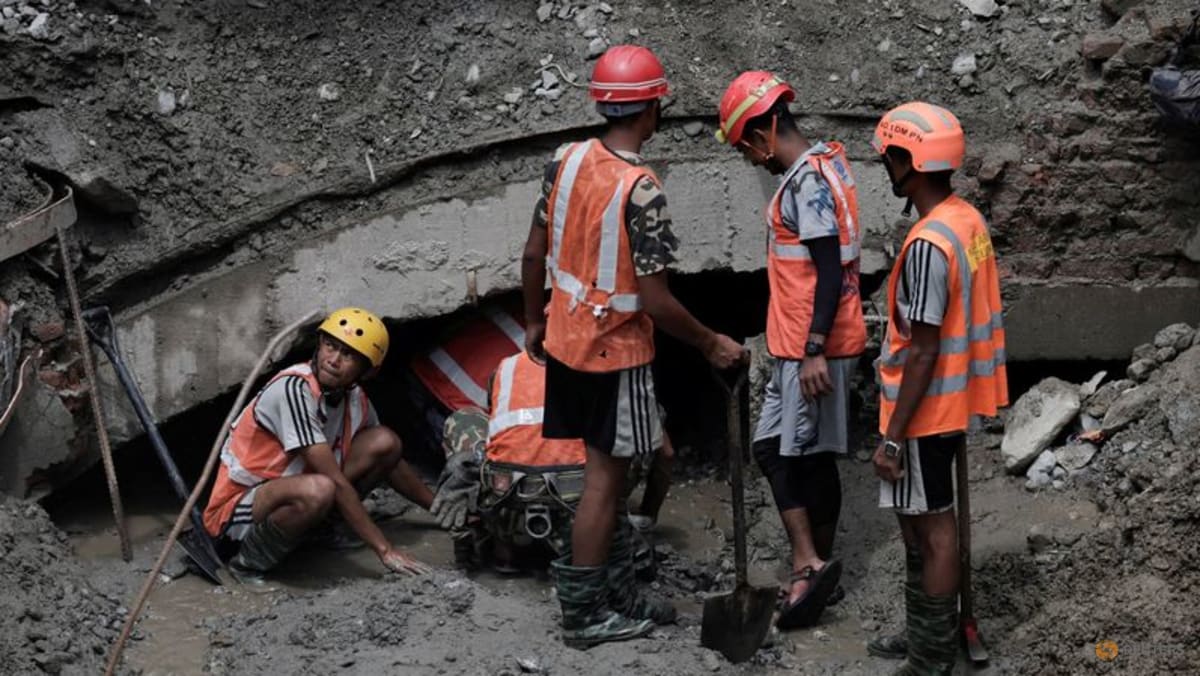
At Chilime, Reuters images on Monday showed a large tunnel entrance with flood debris rising to the ceiling a short way inside.
More than 1,200 people were killed in last week’s deluge caused by a glacier collapse. More than 4,000 people are still missing, including those who might be trapped inside tunnels.
Alongside Chilime, rescue workers are searching five other hydroelectric sites in the valley that were part of an expanding network of plants powering the nation and exporting the surplus. The flood wiped out 10 per cent of Nepal’s generation capacity.
SEEKING ADVICE ABOUT TUNNEL NETWORKS VIA WHATSAPP
At Rasuwagadhi hydropower plant, rescue workers reached 250m into one tunnel before finding it blocked. But they have not given up the search.
“We are trying to reach there inside again to look for people,” said Amshu Kiran Shahi, a board member of the Nepal Electricity Authority, adding that 46 people may have been trapped in a chamber, where they might have access to food and water.
A manager at the Nepal Electricity Authority, speaking on condition of anonymity, said rescue workers had also asked former plant employees for advice about the tunnel networks via the WhatsApp group. He said drawings posted on the group had been useful.
At the Upper Trishuli 3A hydropower project, rescue workers took almost six days before reaching the tunnel because the entrance was buried, Shahi said, adding that they had since tried to supply oxygen via pipes into any cavities in case someone was trapped.
A Reuters photographer who flew to the site on Thursday saw excavators trying to move huge boulders from the mouth of a tunnel and seeking to work their way deeper inside.
Read the full article here


