



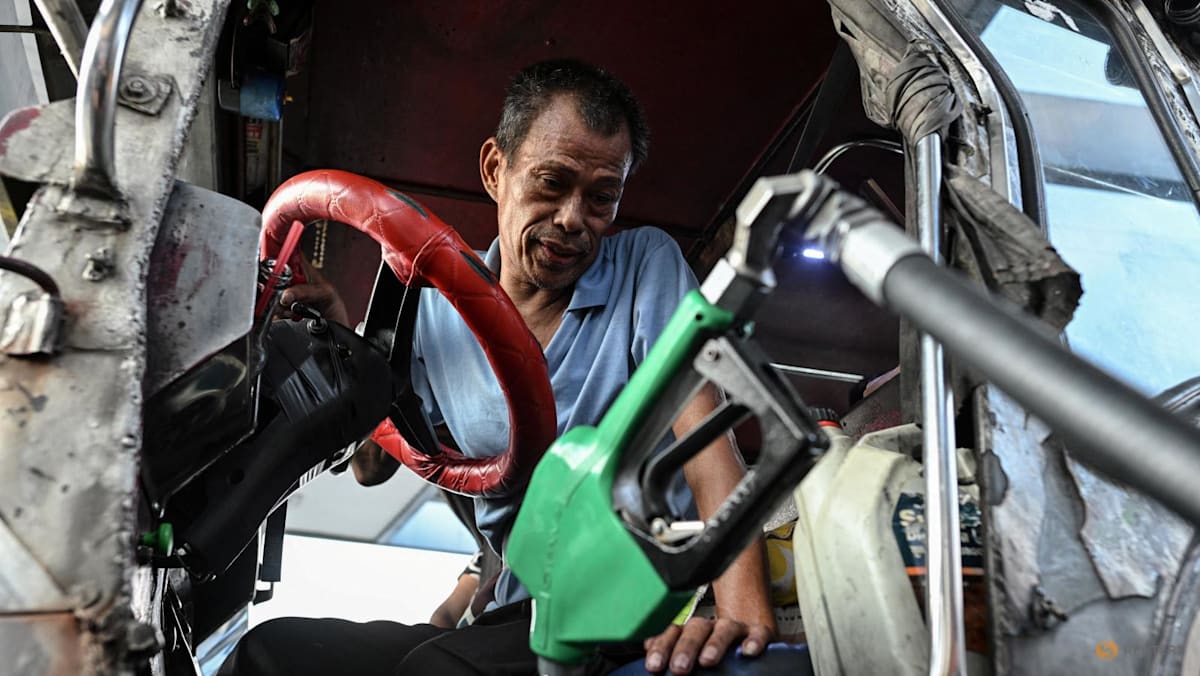
GAS PRICES ON THE RISE
Generally, Asia is even more heavily reliant on the Middle East’s LNG supplies. In 2025, almost 90 per cent of the total volumes exported via the Strait of Hormuz was destined for the Asian market.
Together with South Asia, Southeast Asia is the fastest-growing region in terms of natural gas demand.
An inability to secure LNG imports in the short term could primarily affect the power generation sector of several countries and the region’s long-term plans in developing natural gas-based economies, said Purwanto.
Even if the Strait of Hormuz opens, Rystad Energy’s Pang expects that it could take up to six weeks for gas production to resume in Qatar.
In an optimistic scenario, that would translate to about 9.64 million tonnes of LNG removed from supply.
Meanwhile, about 42.5 per cent of Singapore’s LNG imports came from Qatar last year, compared to 20.5 per cent of Thailand’s, according to data from Rystad. Both nations heavily rely on gas to keep their economies powered.
LNG storage throughout Southeast Asia is also very limited, meaning that any disruption in flows could cause a more immediate dependence on spot market prices, which are spiking, Reynolds said. Spot market prices are the current, real-time market values for purchasing or selling an asset.
Industry pricing data showed spot LNG prices in Asia jumping to about US$25 per million British thermal units (MMBtu) in early March, roughly double where they stood a week earlier. The price has since eased but remains elevated at around US$15 to US$16 per MMBtu.
The Philippines and Vietnam are “potentially staring down the barrel of unaffordable LNG supplies”, given that they are almost entirely dependent on spot markets, Reynolds said.
If Southeast Asian countries are priced out entirely, this can leave households and businesses facing fuel shortages and power outages, he warned.
And if they opt to pay skyrocketing prices, this can lead to higher fuel and power costs for consumers, financial instability for energy industry players, rising subsidy burdens for governments, inflation, and potentially slower economic growth.
When gas prices rise sharply, power utilities look for the cheapest available fuel to keep electricity flowing. In parts of Southeast Asia, coal remains that fallback option, especially in Thailand, Vietnam and Indonesia.
System operators can increase output from existing coal plants instead of running gas turbines at high cost.
With the region prioritising reliability and affordability over decarbonisation, in the short term, there is expectation that coal will be switched on, said Linda Zeng, a senior power and renewables analyst at BMI, a unit of Fitch Solutions.
Read the full article here


