



In mid-December, I called in experts to rescue my garden after its long descent into chaos.
The brief: no monoculture, no hedges, and I didn’t want struggling plants thrown away but given a reprieve in another spot.
I wanted shrubs, natives and perennials that waved in the wind, and bright purple mystic spire salvias and other plants that bring birds and insects, and make the worms and the occasional blue-tongue lizard happy.
It seemed to come at the perfect time. It was hope. And a place to weep between calls as I worked with colleagues to research what had happened the day before at the Hanukkah festival in Bondi.
As I worked, I would look outside to see my crazy overgrown garden being dug up. “Save that,” I’d duck out to confirm. “Don’t touch, please. That’s my friend Kate’s dad’s frangipani,” I’d say about the plant I’d inherited after he had died.
“That camellia? Bought that with Mum when she had dementia, but it does need love.”
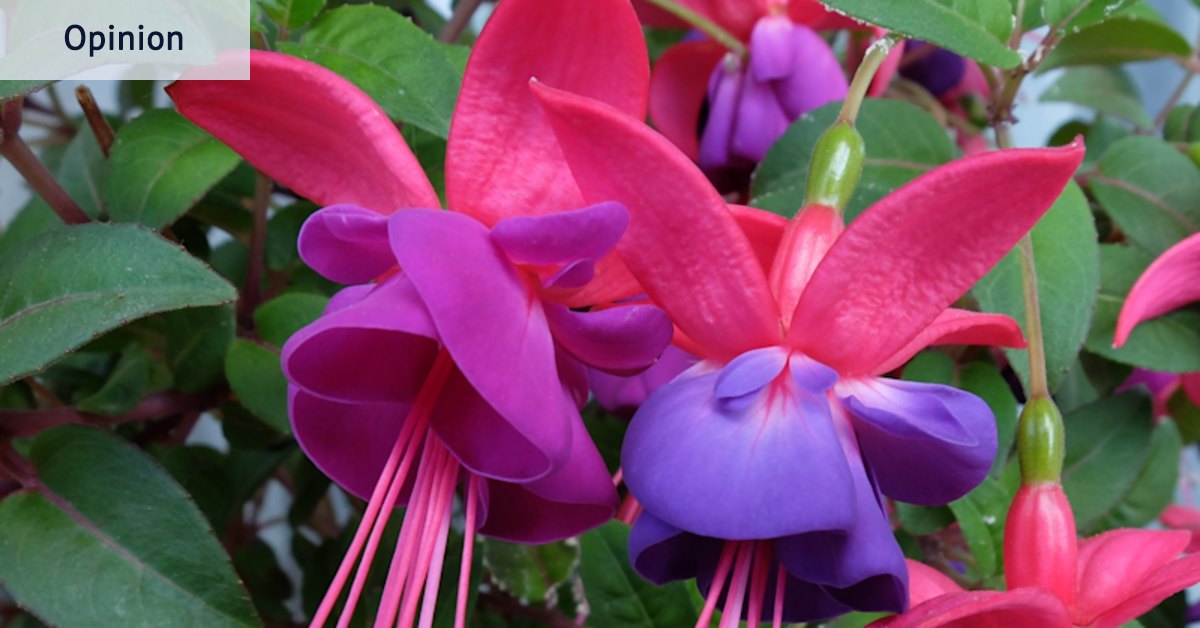
“And that fuchsia. You can’t kill that. It should outlive all of us.” With bright pink and purple flowers, it was a cutting from a cutting that came from an elderly Jewish family friend who lived not far from Bondi Beach.
Walking around the garden with landscape architect Evan Black was the best therapy that money could buy.
I remembered my grandmother – a woman who could not leave home without secateurs – and others long dead – and some very much alive – who had given me plants and cuttings (which are genetically identical to the original plant).
Black listened to my litany of garden failures, including a camomile lawn.
It seemed relevant to journalism and life. As the Victorian garden designer Edna Walling said, “If gardening does not teach one to be flexible, would anything?”
There was a Geraldton wax that had got too leggy, native Hardenbergia (happy wanderer) that wouldn’t take, red kangaroo paws that failed, and elephant ear plants that clearly hankered for India and not Sydney.
The hardest? Miniature flowering red gums that died, one after another.
It wasn’t only the southern aspect of the back garden that had taken its toll. A previous owner had planted palms that sent spiky fronds hurtling to the ground with the force of a scud missile.
What about my tractor seat plants (Ligularia dentata reniformis)? They work en masse in architects’ gardens. Mine were sad, sadder and collapsed.
Black listened. He made a plan to retain and group existing plants. Encouraged by cups of tea and old-fashioned Arnott’s biscuits, Black and gardener Andy moved the memories, creating clumps of like with like, and supplemented old with new.
They removed weeds, put in a drip watering system, and pumped the garden full of organic fertiliser.
And they promised that with water and cow manure and chicken shit, my failures may have created a seed bank for the future.
Planting flowers to mark a death goes back to the Stone Age, reported the Smithsonian Insider.
Archaeologists from the University of Haifa in Israel found evidence from 13,700 years ago that the Stone Age Natufians buried their dead in a bed of flowers. Salvias and mint – both of which are flourishing at my home – had been pressed into a grave’s veneer.
A researcher from the university said the planting of flowers around graves was likely done to cheer up mourners.
In the three months since the massacre at Bondi, I head to the garden in my nightie every morning to spot buds, pull weeds, enjoy the native and European bees and avoid the skinks that scuttle beneath my feet.
Only yesterday, I discovered a cluster of ladybird beetles. The happy wanderer in our new verge garden is going off, along with the kangaroo paws. Bright-coloured cosmos, a perennial, have grown nearly as tall as me.
My first gardening hero was Walling, who loved Evening Primrose (Oenothera speciosa). It has taken many attempts to get them to take, though many people warn they can run riot.
Mine are now flowering. I hope they survive. I plan to love them while I can. It is all we can do.
Julie Power is a Herald journalist.
The Opinion newsletter is a weekly wrap of views that will challenge, champion and inform. Sign up here.


From our partners
Read the full article here


