



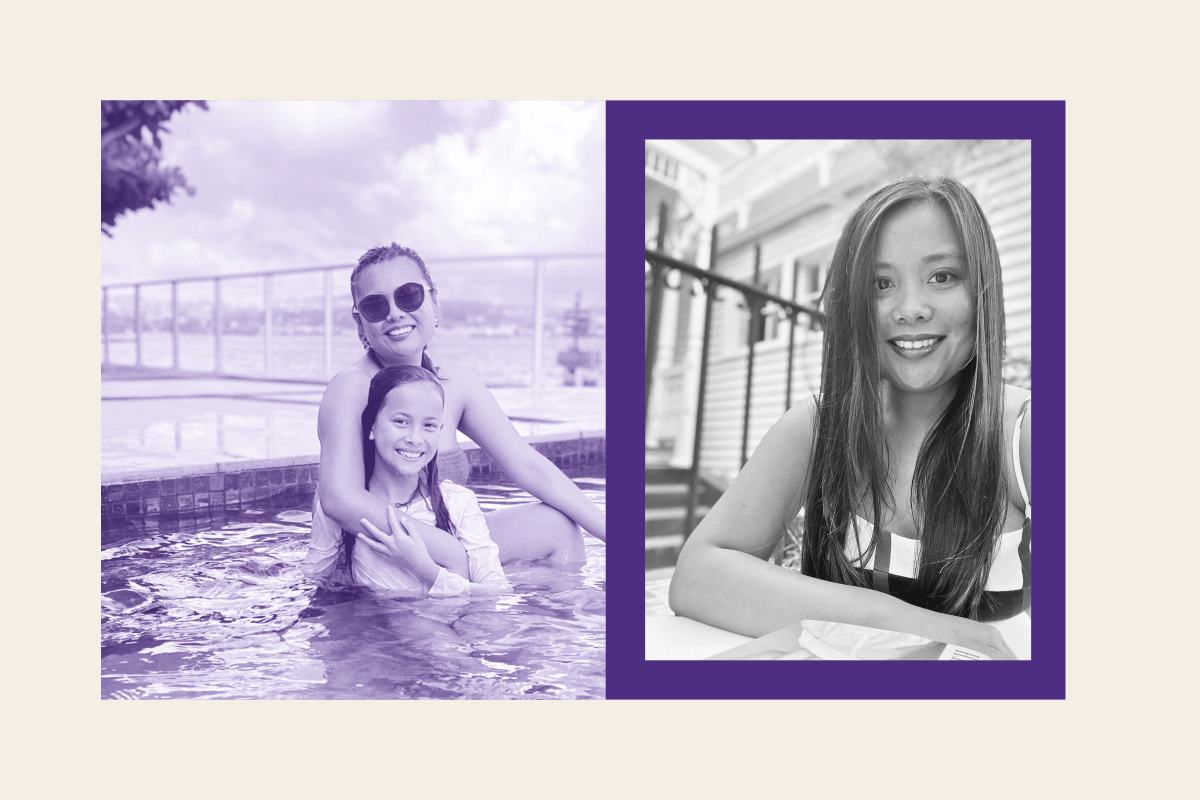
I was writing a travel essay at a cafe when something clapped in my head. The world started to spin. A brain aneurysm ruptured near the base of my skull. Within seconds, I lost clear vision and neck movement. At the emergency room, I was told I had mere hours to undergo life-saving brain surgery to plug the hemorrhage that had begun to deteriorate parts of my brain, including regions for language, memory and mobility, my collective bread and butter as a travel writer and memoirist.
I was to leave for London with my husband and daughter that weekend. Needless to say, we didn’t make it across the pond. When I woke up from brain surgery with reduced neurological capacity, poor short-term memory, an altered gait and intense sensitivity to light and sound, it was easier to feel devastated by how my neurological condition could impede my traveling than it was to feel grateful to be alive. I was in the neuro intensive care unit for weeks, undergoing MRIs and cognitive testing. Pharmacologically supported, I spent time at the hospital discovering a new baseline and deficits that would make travel uncomfortable, difficult or even painful. While I’d escaped death, I was at risk for further cognitive decline.
I was alive, but I thought my life was over. Travel was integral not only to my job but also to my parenting. I was the mom who pulled her child from school for a week in Montego Bay, Jamaica, or for a holiday in my native Philippines, believing there was plenty to learn outside the classroom. History, geography, sociology, currency, languages: My preferred classroom had no shortage of lessons. My daughter once said, slurping uni and learning Cebuano phrases on a dinghy in the Pacific, “I’m learning so much about you, myself and the world!” So she, too, was devastated by my new condition. She bit her nails to nothing. In grief therapy, when asked what the hardest thing about our new life was, she said, “It’s harder now to go places with Mom.”
Luckily, our story didn’t end there. My neurologist and grief therapist agreed that all forms of exploration, especially travel, would reorder what had been disturbed in my brain and recover what had been lost. Many aspects of travel—novelty, language learning, planning, directions and locations, improvising—drive neuroplasticity and help the brain build resilience. What I originally thought about travel—that it’s a unique way to learn—held true.
My neurologist said that to keep my brain healthy I had to “live a rich, vibrant life.” Doctor’s orders: To keep my brain dynamic and to remap it stronger, perhaps with even more sophistication, I had to locate myself on the vast map of this complicated, beautiful world.
Everyone I consulted affirmed this, from a neurologist who wrote about how travel builds brain capital to researchers who suggested that travel is the best defense against aging. In the support groups I came across, fellow survivors gave me incentive to roam: Go places that make you happy and like yourself, because the good-hormone production these places support aid healing.
From the same support groups, I learned about adaptive tools and brain-friendly choices: light blockers like hats and sunglasses; earmuffs and earplugs; airport sensory rooms and tucked away hotels; off-peak flights and excursions; constant hydration and snacks; wheelchair service to lessen fatigue; quiet attractions and outdoor activities; the siesta habit and a gentler tempo; and an itinerary prioritizing being present over frenzied or hurried.
My community of healthcare providers, caregivers and fellow “brainies” equipped me for my excursionist dreams. They cheered me on through months of physical therapy, speech language pathology and cognitive rehab. When it was too hard to hold a plank, take strides in time with a metronome, recall instructions or practice crossing the street, they insisted that every workout, test and trial run brought me closer to London. In my brain injury journey, I learned that resilience, including travel resilience, is deeply rooted in community.

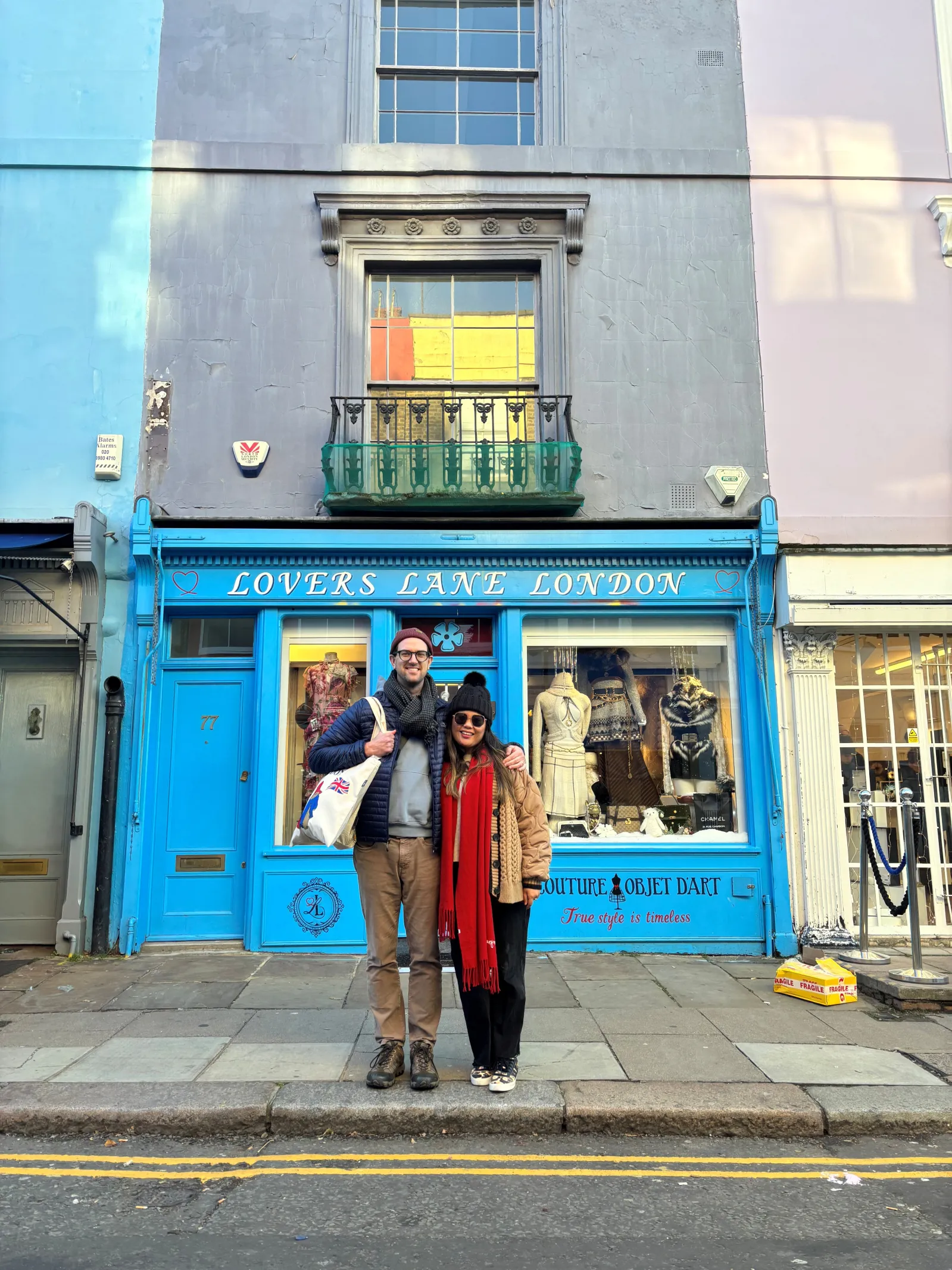
A year after the aneurysm rupture, I was cleared to fly. My husband, daughter and I finally flew to England. Arriving at Heathrow Airport, I teared up and told myself that even before boarding the plane, I was already exploring. The preparation that came before was, by definition, an exploration: a search for truth. And the truth was that the brain injury hadn’t weakened my path-finding spirit.
The following summer, I wanted to further expand my understanding of what it meant to be an explorer. In my previous life, I’d been a go-getter prone to burnout. It was necessary to go somewhere that could introduce me to my gentler, health-conscious side. I booked a family weekend at a historic farmhouse, luxury retreat and wellness community in the rolling countryside just outside Atlanta.
There we got giddily lost in a meditation labyrinth, ate locally grown produce and sipped fresh-made anti-neuroinflammatory juices, sweated out worries in a spa, learned about native plants and goat yoga, and swam at sunset. From the edge of the pool, I watched horses return to their stable as the sky blurred to the prettiest pink. That’s right, I thought to myself, thinking about how all creatures, no matter their size, strength, or speed, must at some point take rest. Our weekend there showed my still-aching heart and still-throbbing brain that, in the age of hyper-speed, Instagrammable tourism, some travels are voyages into an inner calm.
At the injury’s two-year mark, I discovered Highlands, North Carolina, a small mountain town with a big campy-meets-camping personality. Our holiday there taught me accessible ways to maintain an adventurous life. In the past, I would’ve been up for an all-day hike. In Highlands, 20-minute jaunts to scenic overlooks were plenty perfect. The cozy, fireside dinners at local restaurants elated my senses without overwhelming them. Shopping on Main Street, even during Christmas week, felt less like a sensorial assault and more like a “Gilmore Girls” episode. When my daughter said, it’s nice to have a “chill Christmas,” I sensed a healing in her too. We’d started to grasp the concept of travel that honors the nervous system.

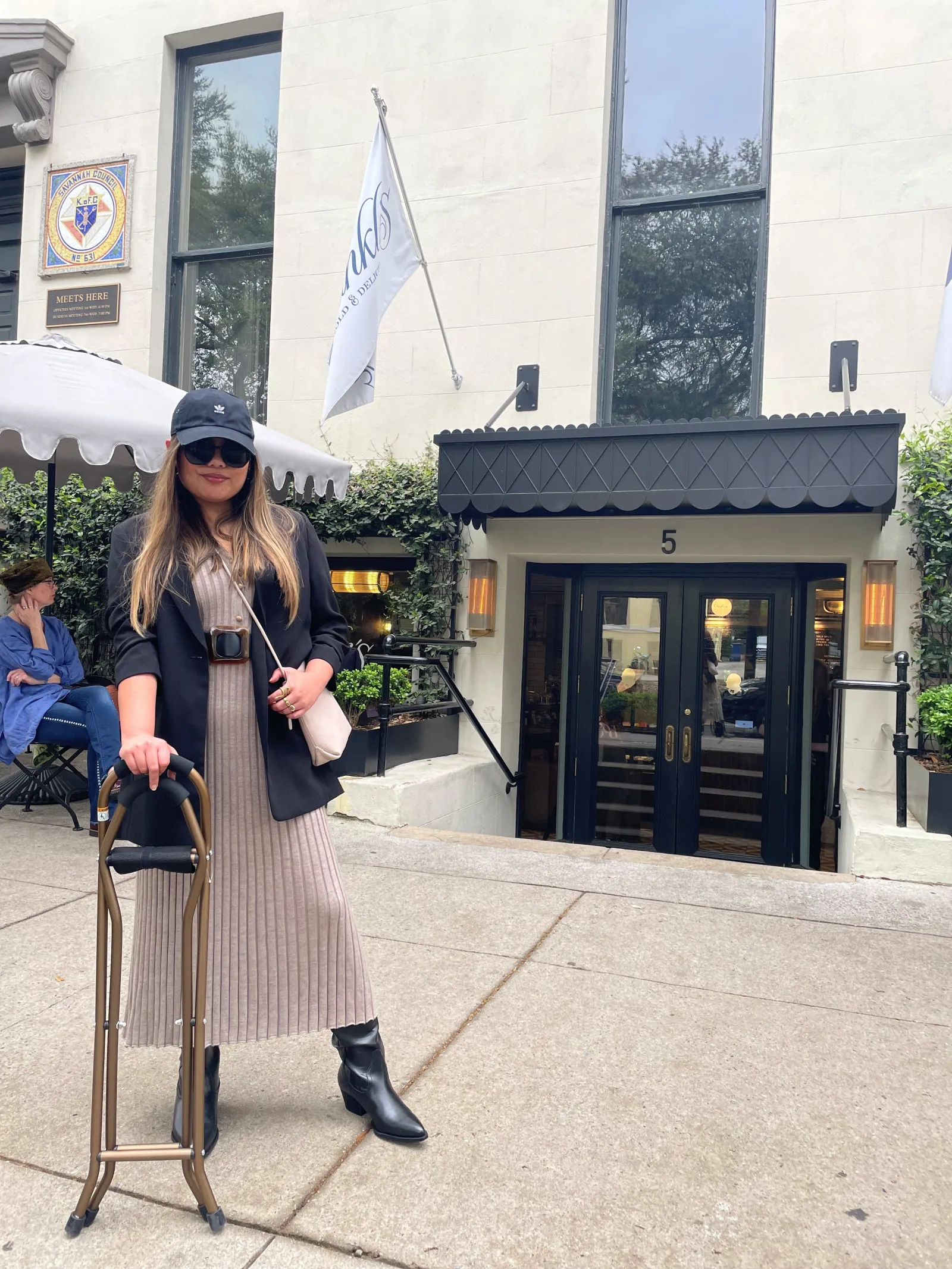
My brain injury has also turned me into a tourist in my home city of Charleston, South Carolina. What I used to take for granted—the walkable bridges, historic districts and gorgeous vistas—have become places to practice walking, talking, meditating and honoring my new needs. While the cognitive and physical exercises certainly protect me from worse health, researchers have found that gratitude alone is fertilizer for the brain. I can only suspect that my brain, the seat of who I am, has grown in volume because I’ve lived where I live. I’ve seen more of my city in the past three years than I did the entire decade before. I’ve never been more thankful to be here.
My doctor said, “Live a rich, vibrant life.” I took it to mean that wherever I am, my curiosity can enrich my cognition. It’s not that our brains will rot if we don’t ever leave home. It’s more about openness, inquisitiveness and interest in people, places and practices that stretch our understanding and therefore rewire our brains sturdy and spry.
My life has changed, but I know it isn’t over. Brain injury didn’t end my explorations, but it certainly brought change, focusing my attention on what matters: that I’m still making memories with my daughter and learning alongside her in this great, big world. I’m still writing travel stories, now with an advocacy component.

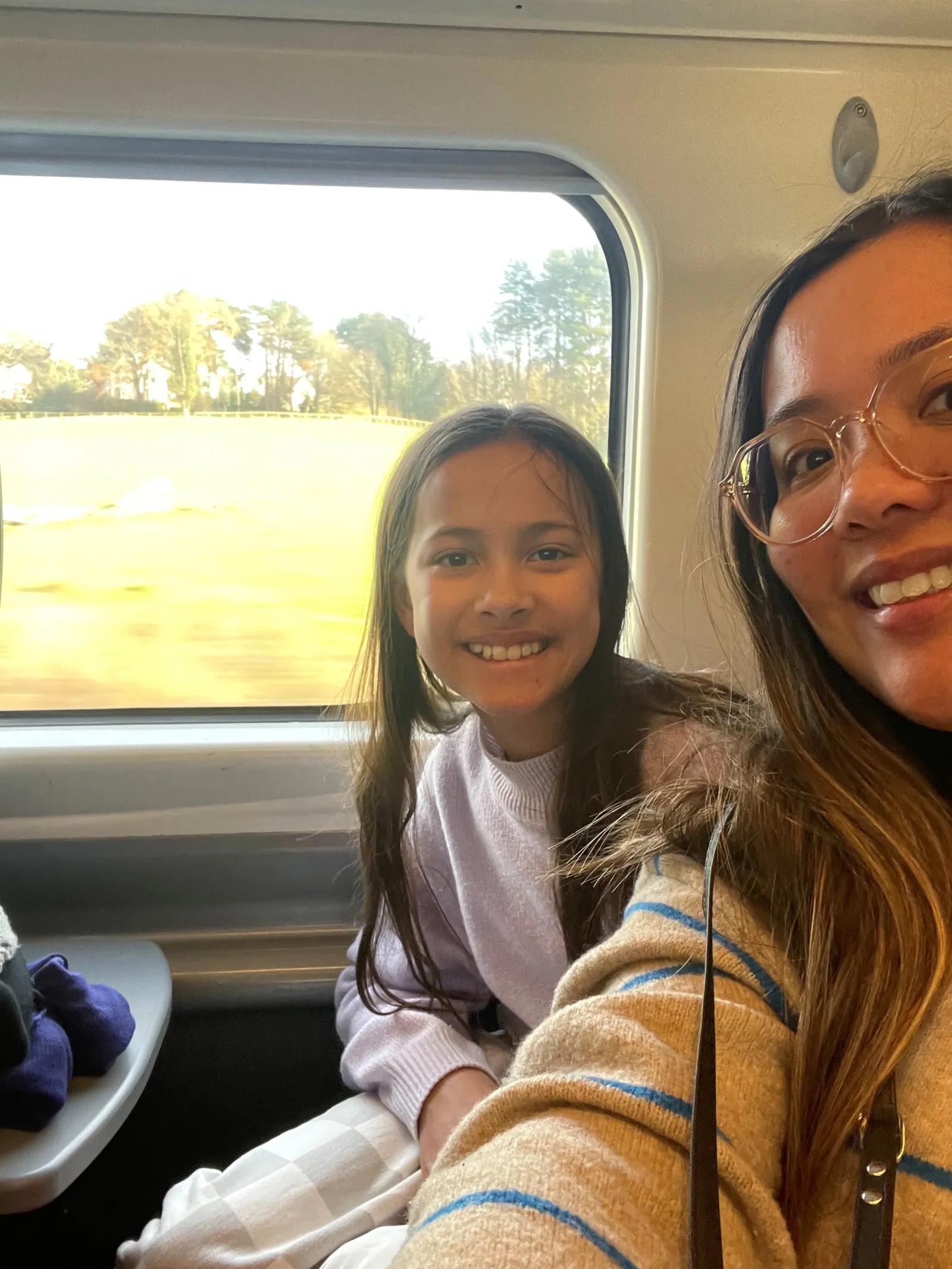
Today I’m preparing for my first solo flight since my brain injury on that harrowing day in 2023. Having looked forward to this trip for nearly three years, my body feels electric from excitement—and a healthy amount of anxiety. I’m traveling once again, this time not just with my brain but for it.
Soon my best friends and I will reunite in Copenhagen, Denmark. Between sorting travel essentials and outfits, I get to say the hard work of recovery has again allowed me to cross borders. I also get to say why, despite the challenges travel poses, I remain adamant about using my credit card miles.
Entropy’s enemy, in life and in the brain, isn’t itinerancy. It’s evolution. What I’m looking forward to in Copenhagen, besides the cardamom buns and castle gardens, are the new, maybe even awkward or terrifying, experiences: stories to bring home to my daughter. They’ll show her that an open mind is the healthiest kind.
Cinelle Barnes is an author and travel writer whose memoir, A Way Home: A Memoir of Losing Yourself, and the Beauty of Returning, is out June 9, 2026.
All views expressed in this article are the author’s own.
Do you have a personal essay you want to share with Newsweek? Send your story to MyTurn@newsweek.com.
Read the full article here


