



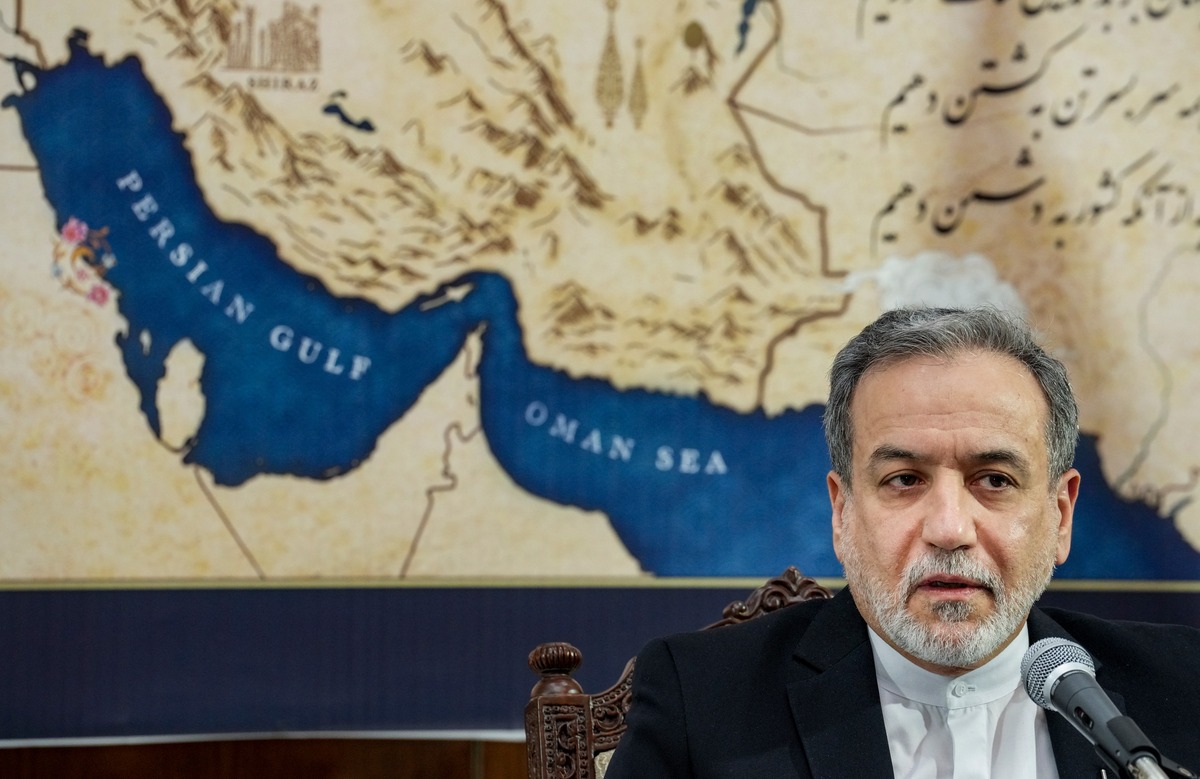
Iran has said it has “many more surprises” in store for the U.S. if American strikes on the country resume, with the possibility of hostilities starting up again hanging heavy despite the U.S. hinting at progress toward a peace deal.
President Donald Trump said on Monday he had held off a planned U.S. attack on Iran after the leaders of Qatar, Saudi Arabia and the United Arab Emirates convinced him acceptable terms to end more than 11 weeks of war in the Middle East could be in sight.
Trump’s comments came as Iran said Pakistan, which has mediated talks between Washington and Tehran, had passed a new peace proposal on to U.S. negotiators.
Trump then told reporters on Tuesday he was “an hour away” from ordering the strikes but halted fresh attacks to allow negotiations on a deal to progress.
A return to open war would shatter the brittle truce that’s been in place since early April, although brief exchanges of strikes have peppered the ceasefire period.
Trump said last week the ceasefire was on “life support,” just days after the U.S. said it had struck military sites in response to Iran launching missiles, drones and small boats as three U.S. warships passed through the Strait of Hormuz.
Despite U.S. pressure, Iran has maintained a chokehold on the strait—through which a fifth of the world’s oil and gas typically passes—and has only allowed ships it approves to make the journey through the strategic waterway since the U.S. and Israel launched their opening attacks on Iran on February 28.
Thousands of sailors have been stranded, unable to transit the area, while fuel prices across the globe have seesawed. As the war drags on and Iran appears unmoved, the Trump administration’s approval rating has sunk, heaping strain on the government ahead of the November midterm elections.
Shipping data showed two Chinese oil tankers exited the strait on Wednesday, the Reuters news agency reported, while Vice President JD Vance said hours earlier discussions were in “a pretty good spot.”
But “it’s not sometimes totally clear what the negotiating position of the team is,” Vance added.
Nevertheless, Vance said the U.S. was still “locked and loaded,” and willing to resume its military attacks on Iran.
Trump said Iran was “dying” to ink a deal, but told Fortune in an interview published on Monday the written conditions for an agreement have “no relationship” to terms discussed in talks. He has repeatedly threatened overwhelming military strikes before rolling back, citing movement in negotiations.
Iran ‘Is Prepared’ For New US Attacks
“With lessons learned and knowledge we gained, return to war will feature many more surprises,” Iranian Foreign Minister Abbas Araghchi said late on Tuesday.
Iran “is prepared to confront any military aggression,” said Kazem Gharibabadi, another of Iran’s top diplomats, in a post on X on Tuesday.
Tehran’s latest proposal includes a recognition of Iran’s right to enrich uranium, Gharibabadi told Iranian lawmakers on Tuesday, according to the country’s IRNA state news agency.
The U.S. would also commit to lifting its blockade of Iranian ports, which Washington announced last month to compete with Iran’s control of the strait, Gharibabadi said. The U.S. blockade was not lifted with the ceasefire, and the American military has turned away 89 vessels from Iranian ports, the U.S. Central Command, which oversees U.S. troops in the Middle East, said on Tuesday.
Under the proposal, the U.S. would also pay for the damage strikes on Iran has caused in the country, Iranian media reported. The most recent Iranian offering in negotiations would also put an end to Israel’s war against Iran-backed militant group Hezbollah in Lebanon and lift sanctions on Tehran.
Trump has dismissed all versions of a deal so far, and reiterated on Monday the U.S. will not accept Iranian access to nuclear weapons—meaning Trump may once again threaten military action.
Iran has long said it only has a peaceful nuclear program to generate electricity for its civilian population but international experts say the country has enriched uranium close to weapons grade, far beyond what is needed for non-military nuclear programs.
Read the full article here


