







By Verena Schad
Published on
In Braunau am Inn in Upper Austria, Adolf Hitler’s birthplace, archaeologists have uncovered the remains of at least 120 people in recent months. Experts describe it as one of the most significant mass grave discoveries of recent decades.
The site is located in the Ranshofen district. After a girl discovered the bone in March, her mother notified the police. Initial examinations quickly confirmed that the remains were human. Austria’s Federal Monuments Office was then brought in and an archaeological excavation was launched.
Nine mass graves uncovered
What at first looked like an isolated find quickly turned into a sensation. Archaeologists initially uncovered six mass graves, and later nine in total. The skeletons lay without any apparent order over an area of around 150 square metres. Experts believe the dead were apparently thrown hastily into the pits.
Project leader Michaela Binder described the find to the “Kronen Zeitung” as “unique in the whole of Central Europe”. Heinz Gruber from the Austrian Federal Monuments Office also told the “Oberösterreichische Nachrichten” that it was an absolute exception. In more than 20 years of professional experience, he said, he had never seen a comparable discovery.
Who were the dead?
According to current findings, the remains are predominantly those of young men aged between roughly 15 and 25. How they died is still unclear. Researchers have so far found no evidence of gunshot wounds. In one case, however, they established that a lower leg had been amputated shortly before death – a possible indication of medical treatment under the conditions of the time.
Initial anthropological examinations, as well as the position of the graves, suggest that the men died during the so-called French Wars between 1792 and 1815. One possibility is that they died in a military hospital or field camp and were subsequently buried together. Further analyses, including DNA and isotope studies, are now expected to shed light on their origins, diet and possible causes of death.
Historically significant discovery
Archaeologists believe this could be one of the largest mass grave sites from the period of the Napoleonic Wars so far known in Central Europe. Such finds are extremely rare and provide valuable insights into the living and dying conditions of young soldiers at the start of the 19th century.
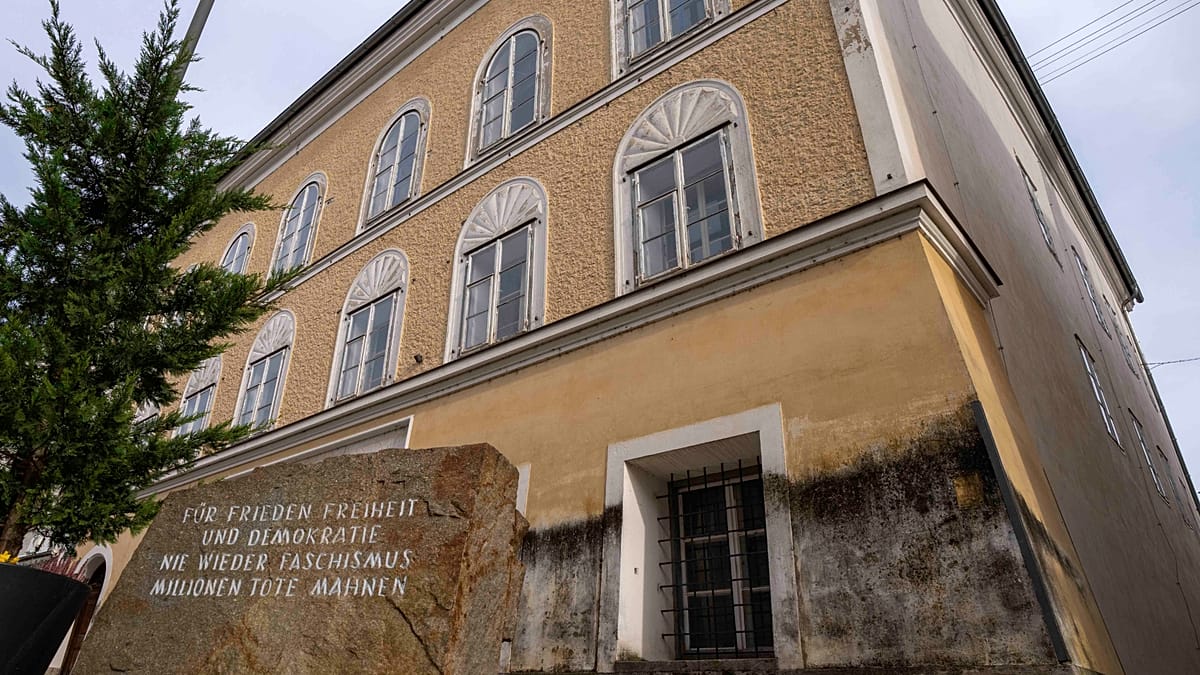
According to experts, the discovery has nothing to do with National Socialism. The dead were buried decades before Adolf Hitler was born. Nevertheless, the find is attracting attention because of its location: Braunau am Inn is internationally known as Hitler’s birthplace. It is precisely there that a police station is now housed in the former birth house of the dictator.
The archaeological investigations on the site are continuing. Experts do not rule out that further graves may be discovered in the coming weeks.
Read the full article here


