



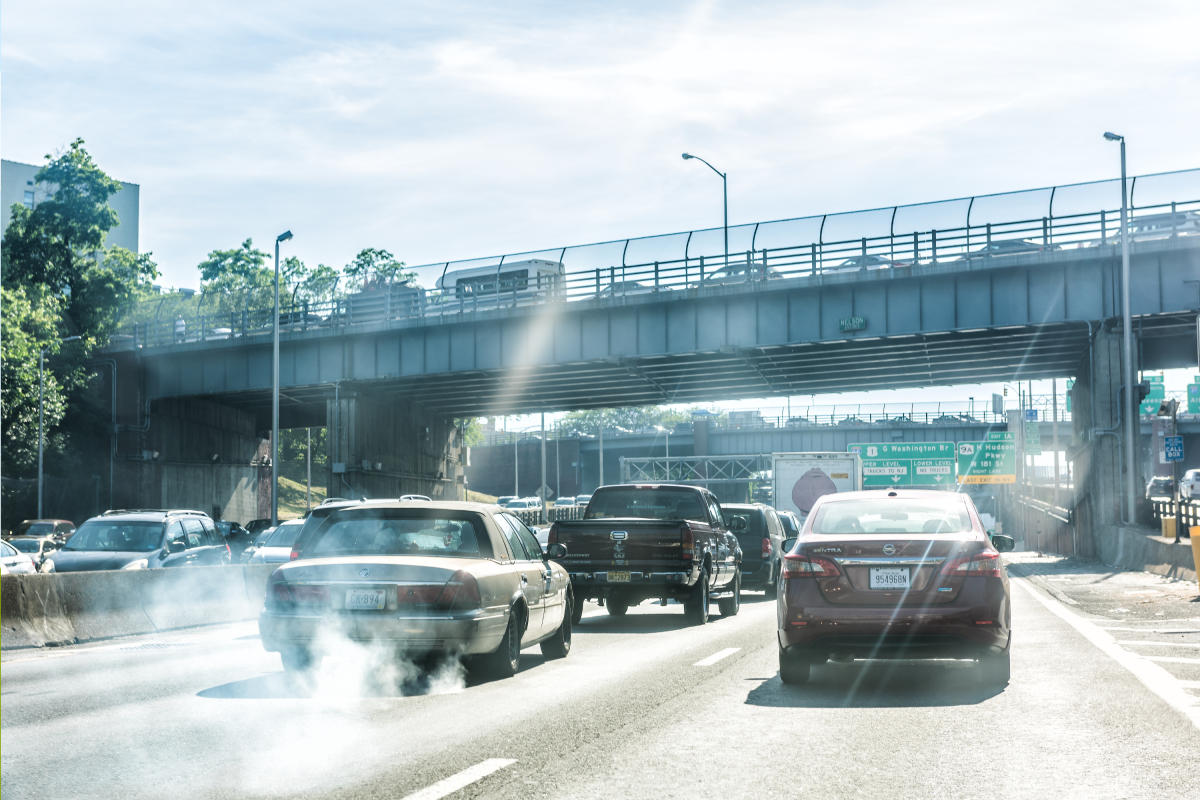
Millions of Americans across parts of California, Illinois and Indiana are being urged to limit driving and reduce outdoor activity through Wednesday, as air quality alerts issued by the National Weather Service (NWS) warn of unhealthy pollution levels driven by ozone and windblown dust.
The alerts affect major population centers in both the Midwest and Southern California, with officials warning that current weather conditions are allowing pollution to build to levels that can pose serious health risks—particularly for children, older adults and people with heart or lung disease.
Where Air Quality Alerts Are in Place
According to the NWS, air quality alerts cover Illinois’ greater Chicago metropolitan area—including counties such as Cook, DuPage, Kane and Will—as well as nearby cities, including Chicago, Aurora, Naperville and Joliet.
A similar alert is in effect across northwest Indiana—including Gary, Hammond and Valparaiso—and extends into LaPorte County.
Meanwhile, in Southern California, alerts remain in place across the Coachella Valley—including Palm Springs, Indio and La Quinta—and the Imperial Valley, covering communities such as El Centro, Brawley and Calexico.
What Is Causing the Poor Air Quality?
The causes of the pollution differ by region, but these alerts are tied to weather conditions that trap or generate pollutants.
In Illinois and Indiana, the NWS says that ground-level ozone—a key component of smog—is the primary concern. Ozone forms when emissions from vehicles, power plants and industrial sources react with sunlight, especially during hot, stagnant weather with light winds.
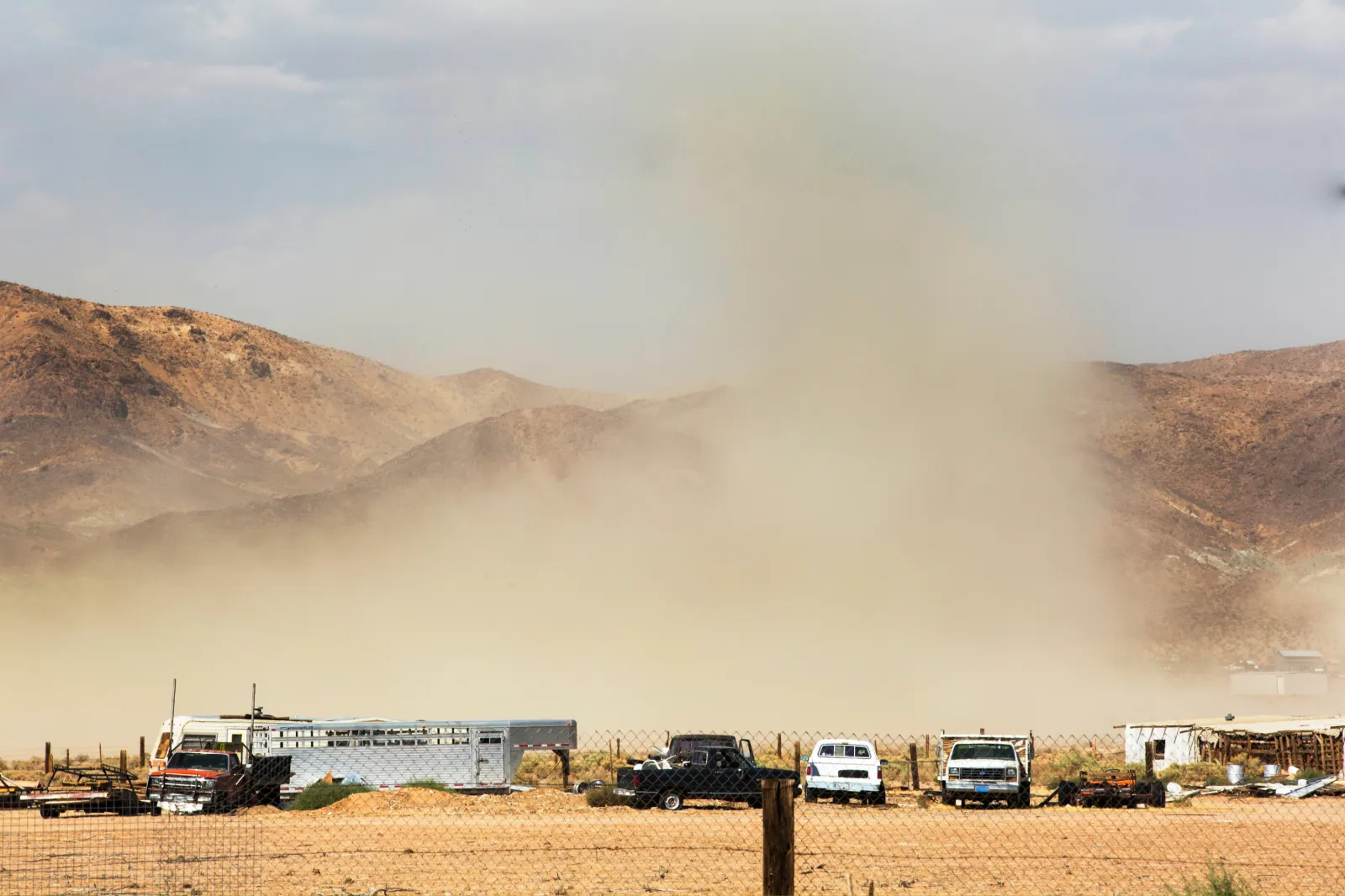
In California’s desert regions, the issue is windblown dust, which lifts large amounts of soil and sand into the air. Strong winds sweeping across dry terrain can send fine particulate pollution into the atmosphere, where it can linger and spread widely.

Why Air Pollution Is Harmful
Both ozone and particle pollution can pose serious risks to human health.
Ground-level ozone is a powerful lung irritant that can inflame airways, trigger coughing and make breathing difficult. It can also worsen chronic conditions such as asthma and increase the risk of respiratory infections.
Particle pollution—such as dust—can be even more dangerous because microscopic particles can travel deep into the lungs and even enter the bloodstream, contributing to asthma attacks, heart disease and other serious conditions.
Who Is Most at Risk?
Health officials warn that certain groups are particularly vulnerable to poor air quality, including these:
- Children, whose lungs are still developing
- Older adults
- People with asthma or other lung diseases
- Those with existing heart conditions
- Outdoor workers or anyone active outside
What People Should Do To Stay Safe
Officials are urging residents in affected areas to take simple precautions:
- Limit intense and lengthy outdoor activity, especially during peak afternoon hours when smog, especially, is likely to be at its highest
- Stay indoors where possible and keep windows closed
- Use air conditioning or air purifiers to keep clean air circulating
- Monitor local air quality using tools like AirNow
How Residents Can Help Reduce Pollution
Authorities have advised how people can help curb pollution:
- Avoid unnecessary driving
- Carpool or use public transportation to combine journeys and limit emissions
- Turn off engines instead of idling
- Delay use of gas-powered equipment such as lawn mowers
Air Quality Across the U.S.
The alerts come amid broader concerns about air pollution nationwide.
Recent rankings from World Population Review show that California consistently has some of the worst air quality in the country because of a combination of vehicle emissions, industrial activity, geography and frequent wildfires.
Other states with comparatively poor air quality include Indiana, Michigan, Illinois and Ohio, where industrial emissions and urban density contribute to elevated pollution levels.
By contrast, states such as Hawaii, Wyoming and New Hampshire tend to have the cleanest air, benefiting from lower population density and favorable geographic conditions.
The Key Takeaway
Whether it’s smog in the Midwest or dust storms in California, the current wave of air quality alerts highlights how weather, geography and human activity can combine to create dangerous pollution conditions.
With alerts in effect for millions, officials say reducing driving and limiting outdoor activity could help protect public health and prevent conditions from getting worse.
Read the full article here


